
Using Short-Lived Tokens and JWKS for Agent Authentication
Best practices for ephemeral JWTs, JWKS rotation, and how Aegis enforces least-privilege for agentic AI at runtime.
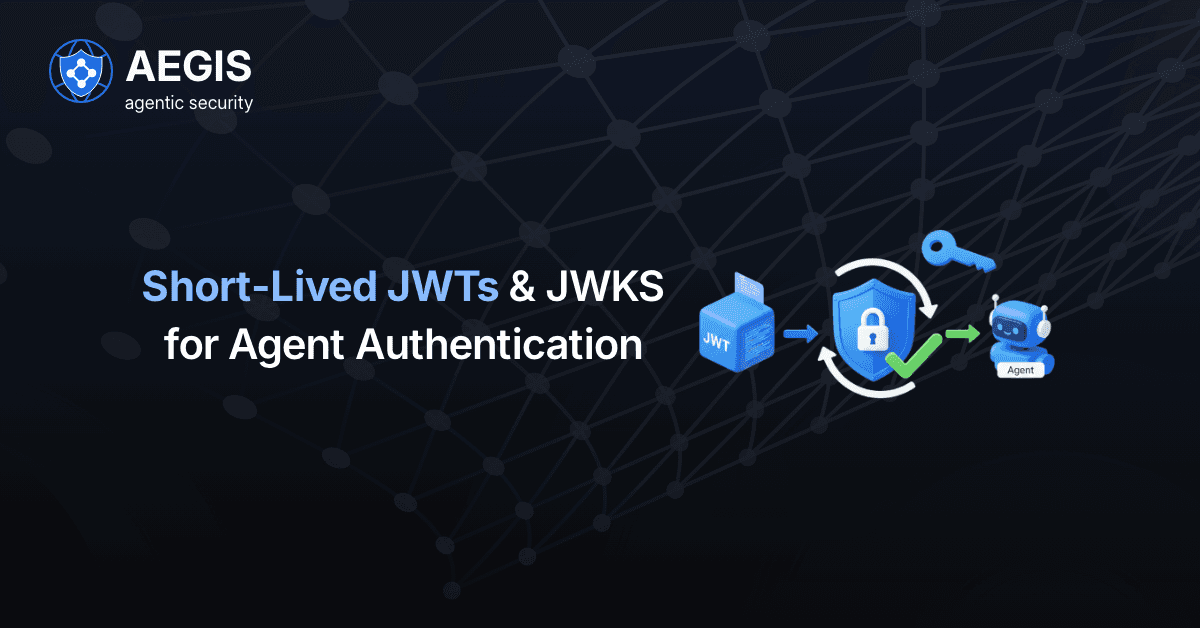
Short-Lived JWTs and JWKS for Agent Authentication: Practical Patterns for Agentic AI Security
Enterprises deploying agentic AI must shrink credential blast radii while preserving scale, observability, and low latency. This article explains why ephemeral credentials + JWKS are the right pattern for multi-agent deployments, gives a concrete implementation recipe, and shows how Aegis — Aegissecurity runtime policy & observability fabric — uses these controls to enforce least privilege, replay protection, and rapid revocation at scale. (Links: Aegis product and company pages are linked where relevant.) (McKinsey & Company)
👉🏻 Enforce zero trust to verify every agent action and interaction
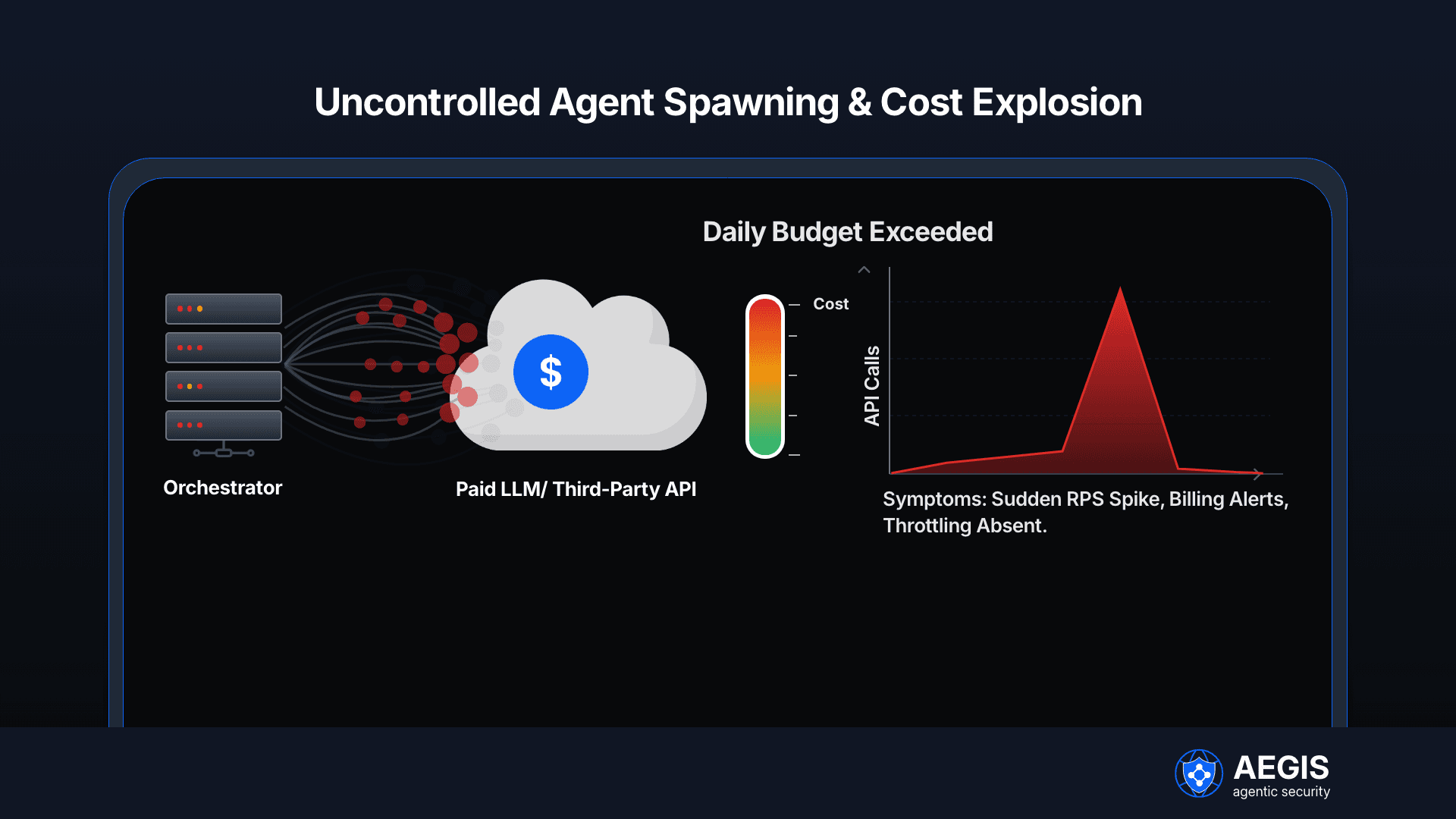
Problem: Long-lived keys are a systemic risk
Static API keys or long-lived JWTs create two operational pains: hard revocation and large windows for exploitation. In agentic environments, a compromised key can let a single malicious or coerced planner agent pivot and orchestrate costly or damaging tool calls across tenants. Gartner warns that poor controls and unclear value will cause many agentic projects to be canceled if governance and cost controls are not addressed. (Reuters)
Key security principles:
- Minimize token lifetime to reduce time-of-use for stolen tokens.
- Make verification stateless where possible to scale (use public key verification).
- Provide replay protection and immediate revocation channels for critical events.
Token patterns for agentic systems (high level)
Short-lived access tokens + refresh/exchange
Mint ephemeral access JWTs (minutes → hours) from a central Token Service. Agents authenticate using a short bootstrap secret or mTLS, exchange for a token bound to agent_id, tenant, scopes and policy_version. Use refresh tokens only where human sessions require longer interactions.
JWKS for stateless verification
Publish a JWKS endpoint so gateways and proxies verify signatures without a central call. Rotate signing keys frequently and use key IDs (kid) in tokens so verifiers can select the correct public key.
Complementary controls
- Replay protection: include jti and check against a fast cache (Redis) for high-risk actions.
- Attestation: require workload attestation (binary signature, cloud metadata) for token minting in high-security tenants.
- mTLS pairing: pair ephemeral JWTs with mutual TLS to raise assurance for inter-service calls.
Why JWKS + rotation matters (technical specifics)
JWKS makes verification stateless — a gateway or sidecar fetches public keys and verifies signatures locally. With proper caching (ETags, TTLs) this yields sub-millisecond verification while allowing safe rotation: publish upcoming keys and add a short overlap window, so issued tokens signed by the previous key remain verifiable until expiry.
Best practices:
- Use Ed25519 or RSA-PSS (modern signature algorithms). (HashiCorp Developer)
- Keep access token lifetimes to minutes/hours and use short bootstrap keys for CI. (HashiCorp | An IBM Company)
- Publish rotation schedule and use ETags for cache validation.
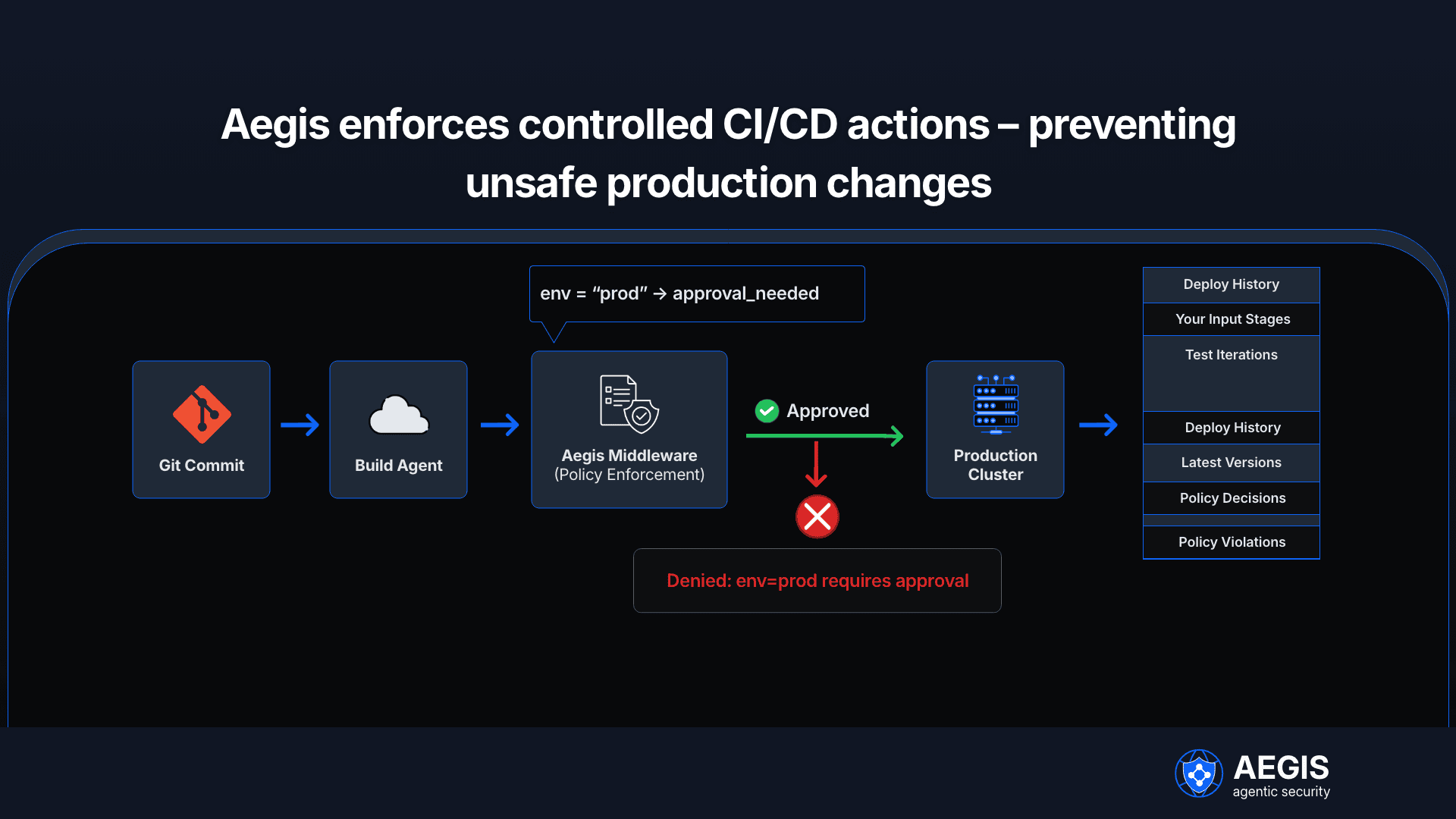
Table: Token pattern comparison
Pattern | Revocation | Scalability | Complexity |
Long-lived static keys | Poor (hard revoke) | Simple | Low |
Short-lived JWTs + JWKS | Good (fail-closed, TTL) | High (stateless verify) | Medium |
mTLS + JWT | Excellent (mutual auth) | Medium | Higher (cert mgmt) |
Implementation recipe: step-by-step
- Bootstrap: Orchestrator authenticates with a short-lived bootstrap credential or mTLS client cert.
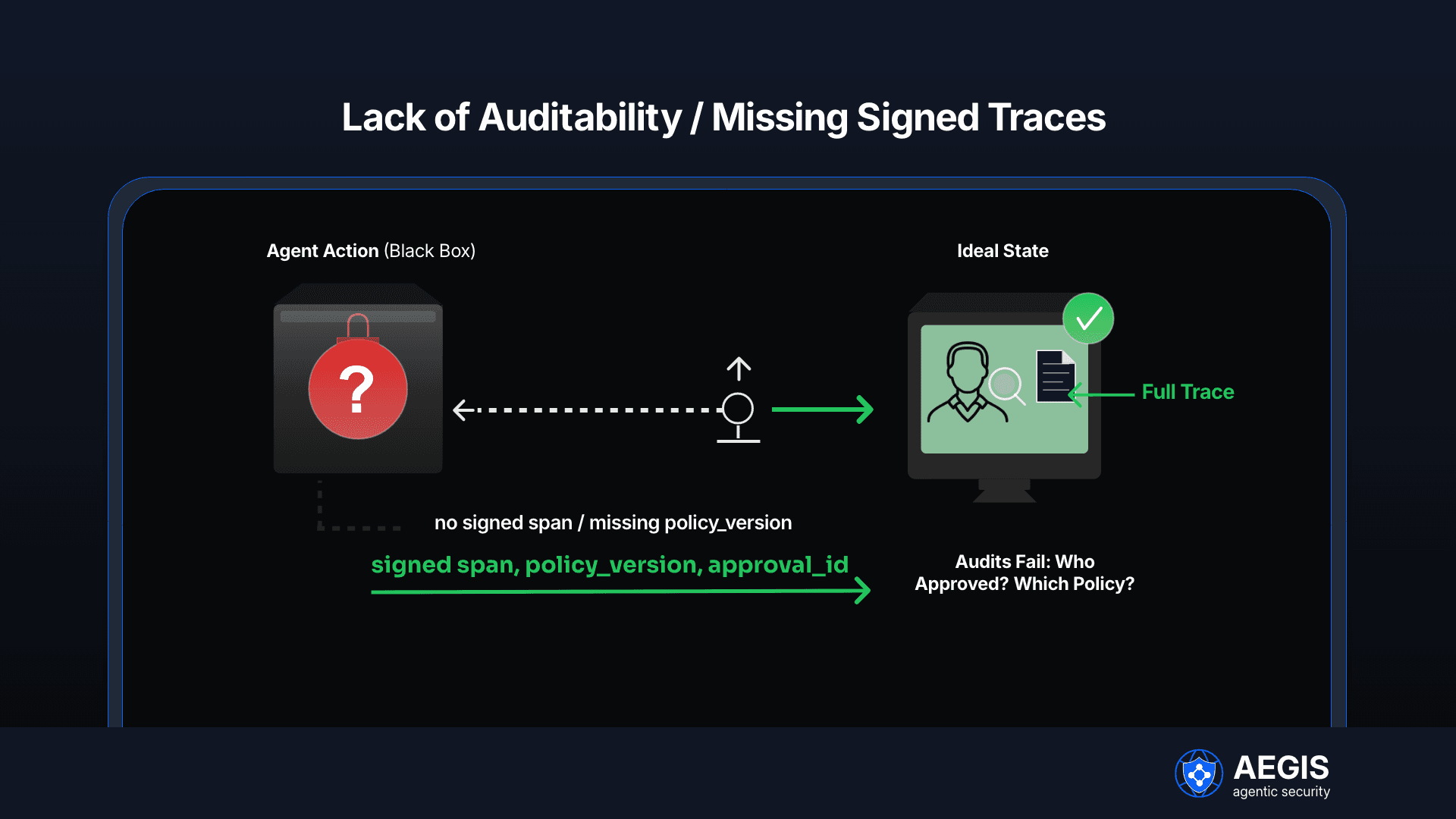
- Token mint: A Token Service mints an access JWT including claims: agent_id, tenant, scopes, exp, policy_version, capability_hash, and jti. Emit a signed issuance event to the audit log.
- Publish JWKS: Token Service exposes a well-known JWKS endpoint; include metadata for rotation and ETag headers for efficient caching.
- Gateway verification: Aegis Gateway (or proxy ext_authz) validates token signature (stateless), checks exp, verifies jti against replay cache when required, and maps scopes→policy decision.
- Policy enforcement: Policy engine (OPA) evaluates call parameters and returns allow/deny/approval_needed/sanitize.
- Approval flow: For approval_needed, the gateway emits an approval request to Slack/Teams; on human approval an override one-time token is minted and audited.
- Revocation: For emergency revocation, push a denial list into gateway caches and optionally rotate signing keys (short TTLs on JWKS fetch to avoid long-lived trust).
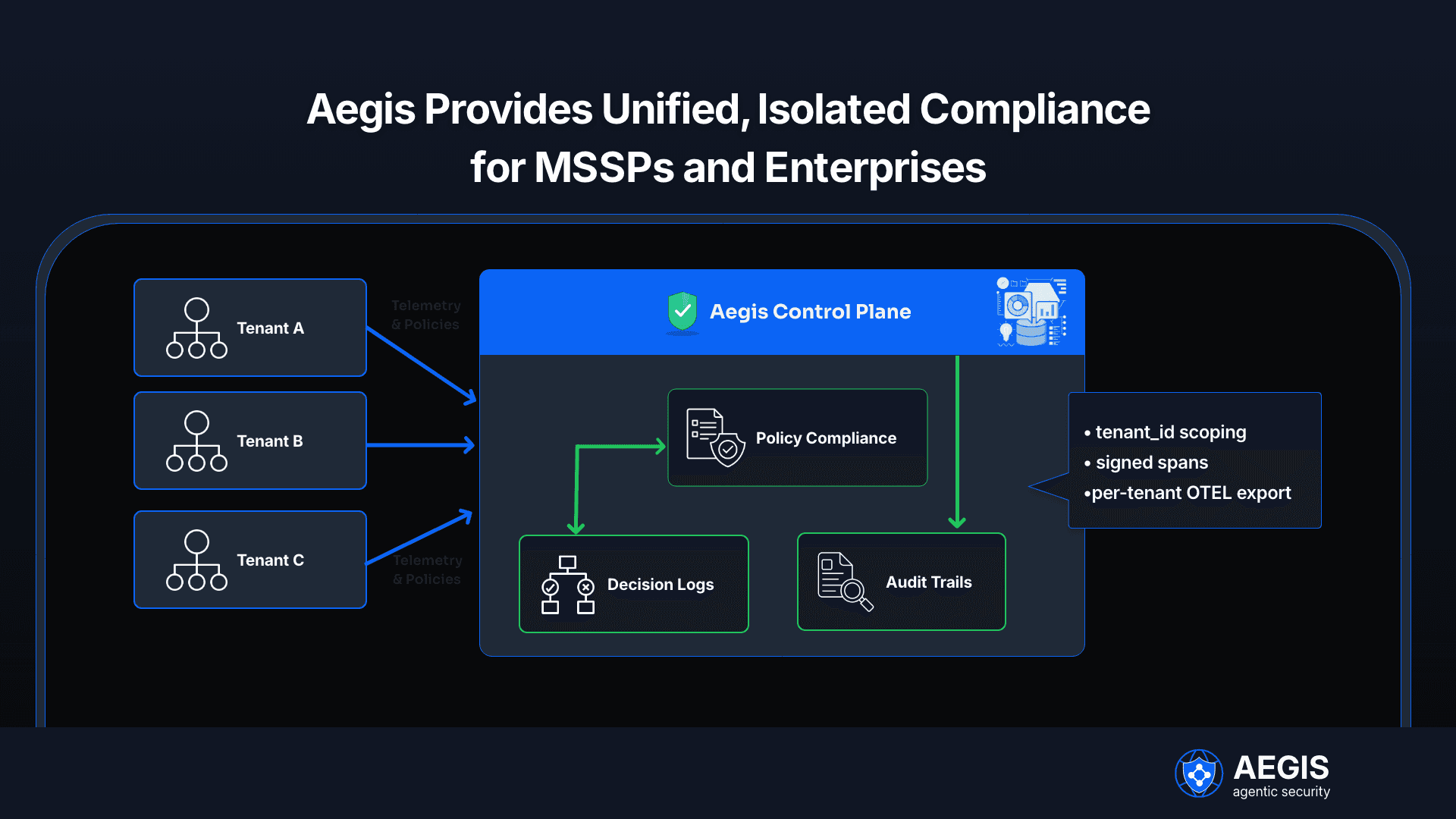
How Aegis uses these patterns (solution focus, ~1/3 of article)
Aegis implements the whole control loop required for secure agent authentication and enforcement. Key pieces:
Identity & tokens: The Aegis Token Service issues Ed25519-signed short JWTs that carry fine-grained claims (policy_version, capability_hash, tenant). JWKS endpoints enable Aegis data plane components (sidecars/proxies) to verify tokens without control plane calls. Auditable issuance events are emitted alongside tokens.
Policy mapping & runtime enforcement: Aegis compiles policy-as-code into OPA bundles and loads them into the external authorisation service. When a gateway verifies a token via JWKS, it enriches the request with token claims and invokes the local OPA evaluation. Decisions include allow, deny, sanitize and approval_needed; all decisions emit OpenTelemetry spans for SOC ingestion.
Replay & revocation: For critical actions Aegis uses jti + Redis for single-use tokens and supports push-based denial caches for emergency revocations. Fail-closed behavior on writes protects integrity, while reads can be configured to fail open for availability.
Developer experience & SDKs: Client SDKs handle token refresh transparently, stagger refresh windows to avoid storms, and support a dry-run mode so teams can test would-block behavior before enforcing policies. The admin console shows token issuance TPS, average token lifetime, revocations and replay attempts as KPIs.
👉🏻 Secure secrets and keys across every stage of your agent pipeline
Table: Aegis enforcement metrics (example KPIs)
KPI | Example target |
Token issuance TPS | 1,000+ per region |
Avg token lifetime | 5–15 minutes (configurable) |
Policy eval latency (P99) | ≤ 20 ms |
Revocations processed | < 1s to propagate to caches |
Operational considerations & gotchas
- Refresh storms: Stagger refresh windows and use randomized jitter in SDKs to avoid thundering herds.
- Throttling approvals: Avoid human approval overload by combining budget thresholds and rate limits in policies.
- Bootstrap safety: Never bake long static keys in CI — use short bootstrap keys to exchange for ephemeral tokens.
- Key rotation UX: Publish rotation schedule and provide sample client caches; rotate keys frequently but ensure overlap windows to prevent token invalidation mid-flight.
- Testing: Run policies in shadow mode for a week; track would-deny events and tune regex/parameter rules before turning enforcement on.
Practical checklist for rollout
- Inventory agents and map required scopes.
- Create initial policy templates (payments, EHR, egress).
- Deploy Token Service + JWKS with ETag headers.
- Deploy Aegis sidecars/proxy and OPA bundles in shadow mode.
- Monitor would-deny events for 7 days, tune policies.
- Flip to enforce and configure revocation/deny caches.
Why this matters now
Agentic AI is moving toward scale — McKinsey found 23% of organizations are scaling agentic AI and 39% experimenting — but poor governance will sink projects unless runtime controls exist. Aegis provides the missing fabric: identity, token patterns, JWKS verification, OPA-backed policy enforcement, approvals and auditing to run agents at enterprise scale. (McKinsey & Company)
👉🏻 Assign precise access rights to agents with robust RBAC models
-1.png&w=3840&q=75)
Links & further reading
- Open Policy Agent: https://openpolicyagent.org/ — OPA is a suitable policy engine for runtime evaluation. (Open Policy Agent)
- HashiCorp guidance on short-lived credentials and JWT best practices. (HashiCorp | An IBM Company)
Frequently Asked Questions
Q: How short should access token lifetimes be?
A: Prefer minutes to a few hours depending on UX. For fully automated agent exchanges, 5–15 minutes is common; user sessions may use refresh flows. Shorter lifetimes dramatically lower exposure windows. (Curity)
Q: Can JWKS rotation break live tokens?
A: Not if you rotate with overlap and short token lifetimes. Use key IDs and caching with ETags; publish a schedule.
Q: Do I need mTLS if I already use JWTs?
A: mTLS increases assurance and mitigates stolen-token replay in transit. Use mTLS for internal orchestration channels or high-risk tenants.
Q: What about replay protection?
A: Use jti + a fast ephemeral store (Redis) for single-use tokens or high-risk actions. For routine calls, short lifetimes and scope limits are often sufficient.
Q: How does Aegis integrate approvals?
A: Aegis sends interactive approval requests to Slack/MS Teams; on approval it mints a one-time override token and records an auditable event.
Closing: practical next steps
Start with a small pilot: inventory two high-risk connectors (payments, egress), deploy Aegis sidecars in shadow mode, instrument token issuance and JWKS, and iterate. Use the policy dry-run mode to tune rules; then flip enforcement and enable approvals for residual high-risk actions. That path preserves developer velocity while dramatically reducing credential blast radius and delivering auditable, scalable runtime governance.