The Role of Insurance in Mitigating Agentic AI Risks
How insurers can underwrite agentic AI: risk taxonomy, underwriting signals, contractual controls — and how Aegis supplies measurable runtime controls.
The role of insurance in mitigating agentic AI risks
Enterprises deploying agentic (multi-agent, autonomous) AI face new — and measurable — operational risks: unauthorized transactions, silent data exfiltration, regulatory non-compliance and reputational loss. Insurers are responding by demanding technical evidence and auditable controls before offering coverage. This post maps a practical risk taxonomy, summarizes gaps in existing products, lists underwriting signals insurers want, and shows how Aegis — a runtime policy & observability gateway for multi-agent systems — produces the signals and controls insurers need. It concludes with contract and technical requirements practical for buyers, vendors and insurers.
👉🏻 Identify and eliminate hidden risks across multi-agent ecosystems before they scale
Risk taxonomy for insurers
Core loss scenarios
- Unauthorized financial transfers (agent coerces payment agent).
- Data breach / exfiltration (agents calling external endpoints).
- Regulatory and privacy breaches (PII/PHI exported to off-region domains).
- Reputational and operational loss from incorrect automated actions. (TechRadar)
Risk drivers
- Parameter injection and prompt-chaining that change intent mid-flow.
- Uncontrolled agent spawning and runaway spend.
- Lack of tamper-proof audit trails linking agent identity to actions.
Recent market research and analyst coverage show insurers increasingly treat these as operational cyber exposures requiring verifiable mitigation. (McKinsey & Company)
Existing insurance products and gaps
Where the market is today
Cyber and technology E&O carriers have started AI/ML endorsements and cyber forms addressing automated decision-making. Many policies now request evidence of governance, testing results and incident history before issuing AI endorsements. Market sizing studies also show insurers are expanding AI product efforts but remain cautious without technical proofs. (The Business Research Company)
👉🏻 Safeguard your ecosystem from third-party vulnerabilities in agent toolchains
Gaps insurers frequently find
- No standardized runtime controls that prove “what happened” at the time of an agent call.
- Shadow deployments without signed audit trails or policy change history.
- Insufficient per-agent identity, budgets, or approval workflows to limit high-impact actions.
Insurers therefore price uncertainty, or require endorsements limiting coverage until controls improve. (IAIS)
Underwriting signals insurers want
Technical signals
- Per-agent identity and short-lived tokens (cryptographic binding).
- Tamper-proof, signed audit logs with policy_version, decision_reason and approval_id.
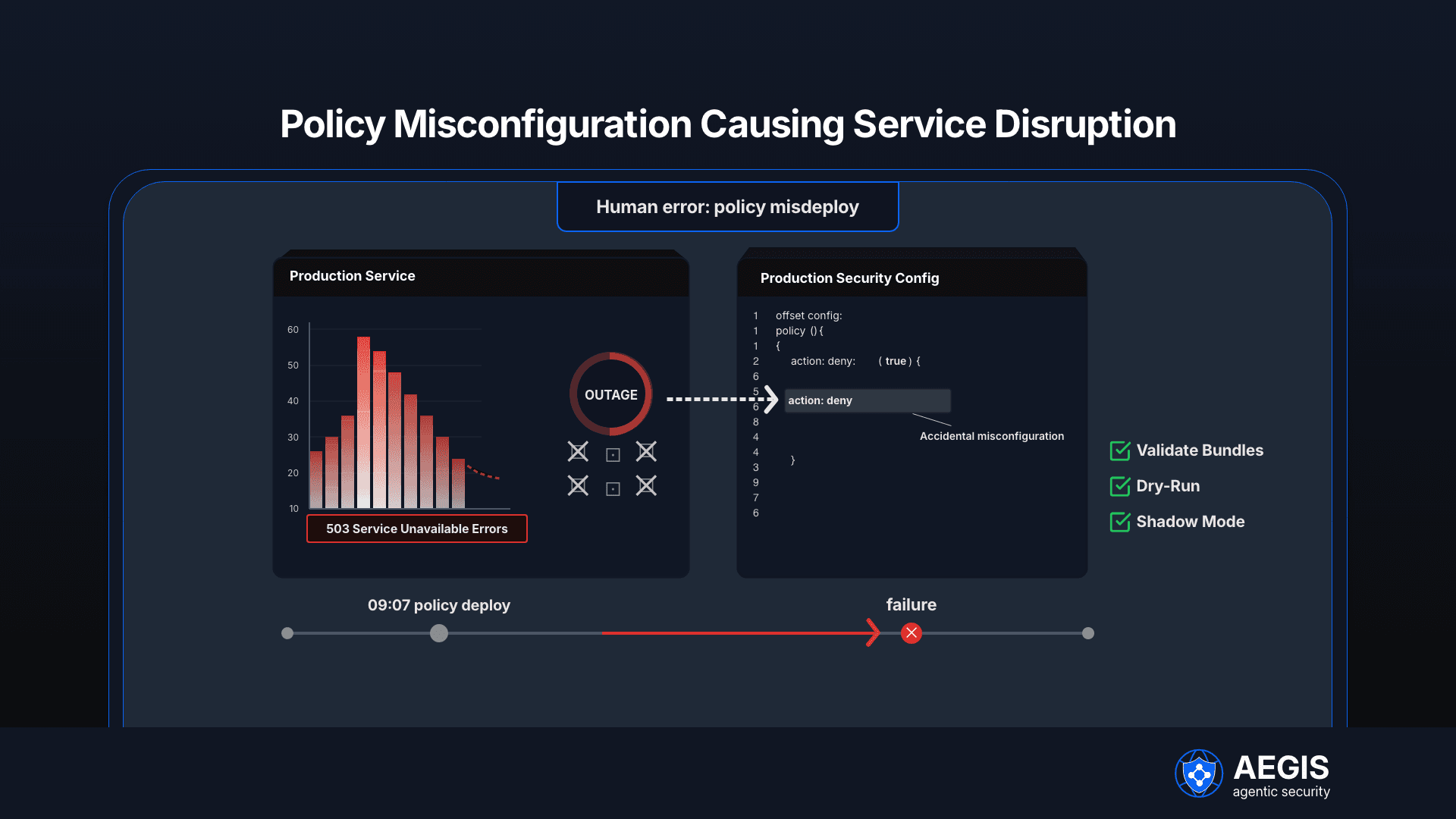
- Policy-as-code with version history and validation tests (dry-run/shadow mode results).
- Runtime enforcement evidence: blocked high-risk calls, counts of would-block vs actual blocks.
- Per-agent budget/limit telemetry and egress allowlists.
These are the precise telemetry items insurers ask for when pricing agentic exposures. (TechRadar)
Operational signals (process + history)
- Incident history and remediation timelines for agentic incidents.
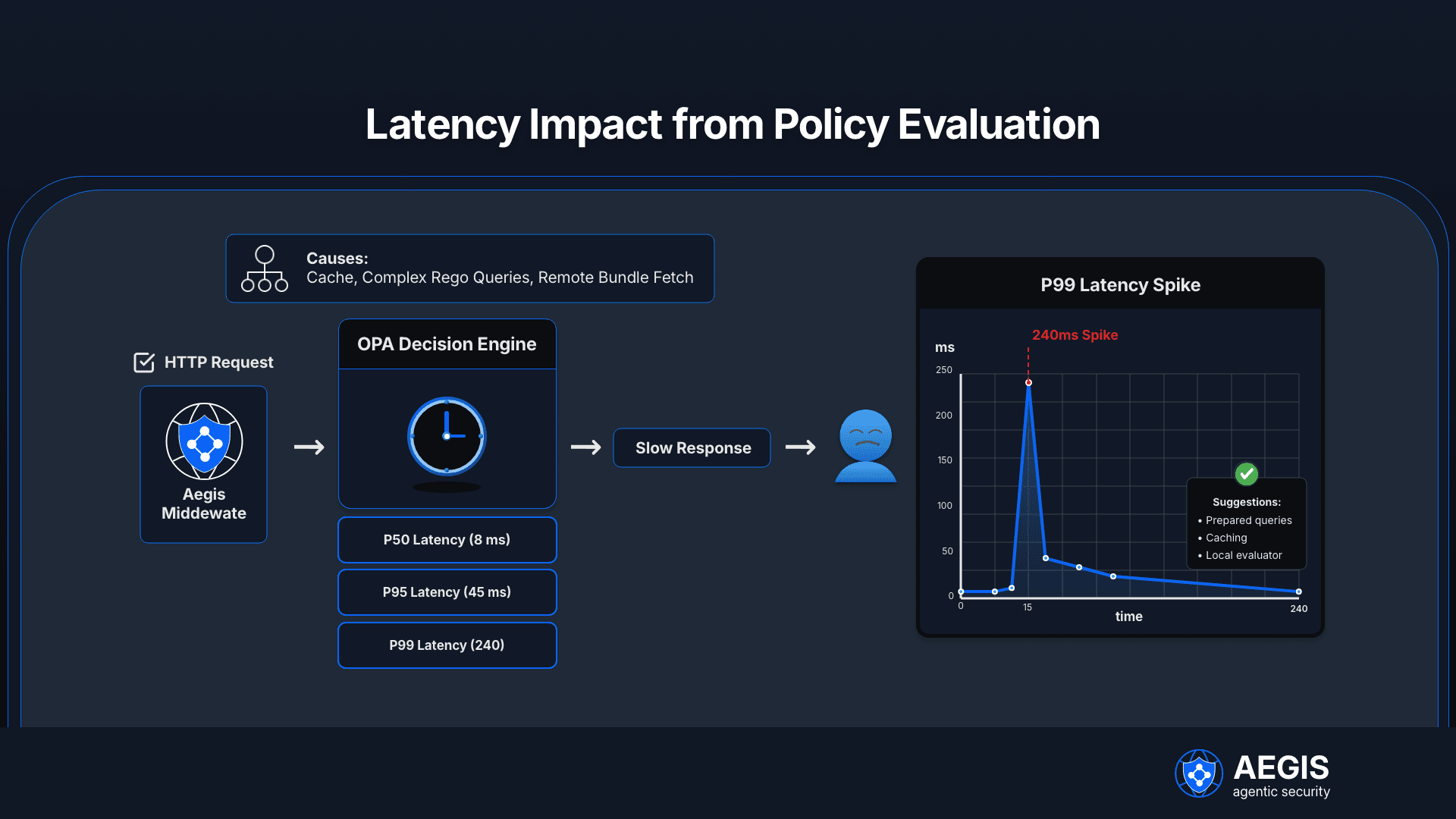
- SLA-backed runtime enforcement (e.g., decision latency P99).
- Retention of signed logs for X years for audit and regulatory review.
Practical underwriting asks now include trial periods (e.g., 60–90 days shadow mode), evidence of blocked high-risk calls, and policy change logs as part of submission packages. (Reuters)
How Aegis reduces insurer concerns
Aegis at a glance
Aegis is a runtime policy and observability gateway that sits between multi-agent orchestrators and tools. It provides agent identity, policy-as-code enforcement, signed telemetry and human approval flows — producing the exact signals insurers need to underwrite agentic risks.
👉🏻 Turn real-world breach lessons into proactive defense strategies
Key insurer-facing capabilities
- Identity & token binding: short-lived JWTs (Ed25519 signing) per agent, preventing token replay and enabling attribution.
- Signed, tamper-evident audit trails: each decision emits an OpenTelemetry span augmented with policy_version, decision_reason, agent_id and optional approval_id; logs can be signed (hash chains) for long-term retention.
- Policy-as-code with versioning and dry-run: policies authored in YAML/JSON are compiled to OPA bundles, validated and hot-reloaded; shadow mode produces would-block metrics for insurers to review.
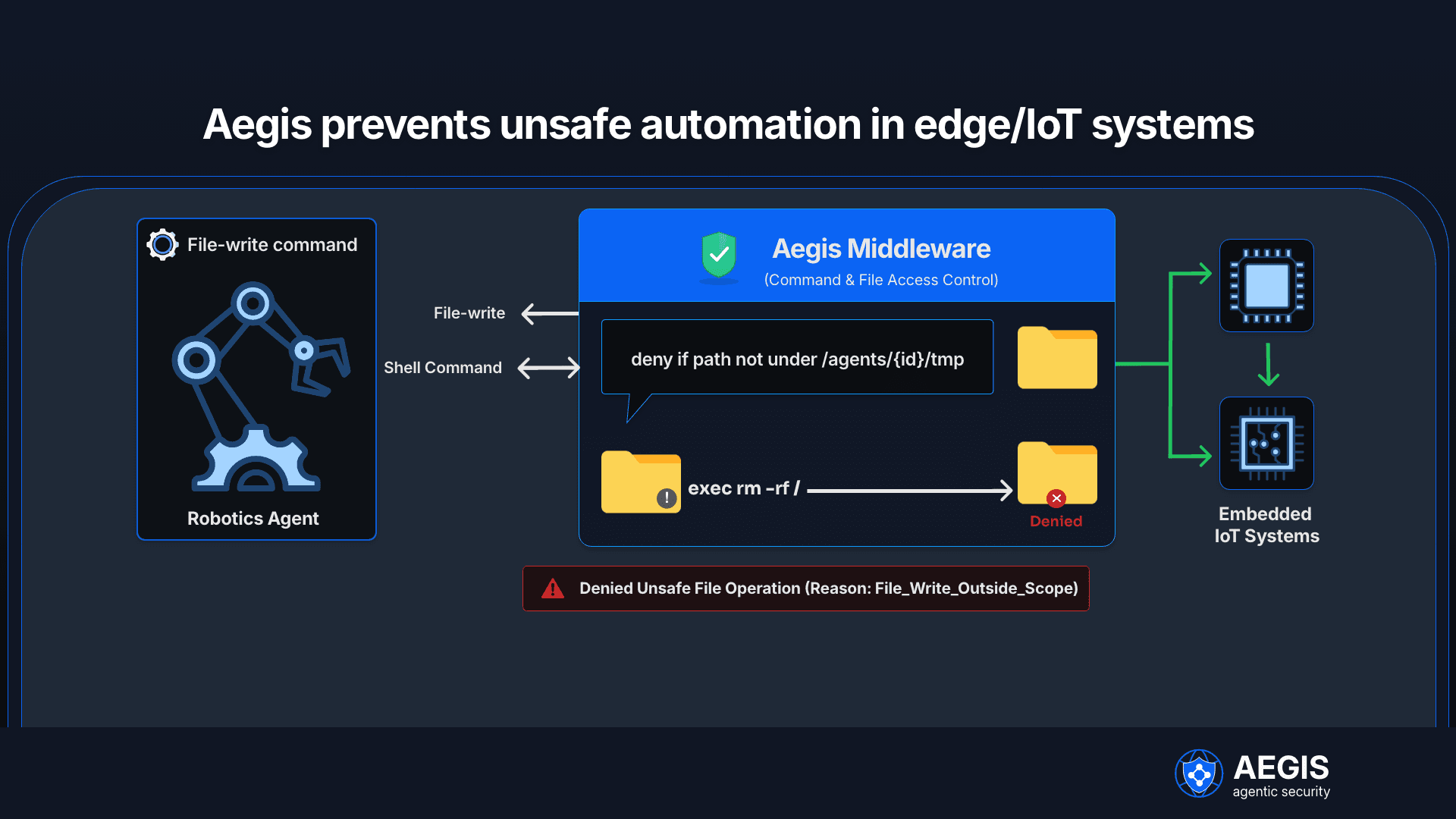
- Runtime enforcement and approvals: allow/deny/sanitize/approval_needed outcomes with human workflows (Slack/Teams) and one-time override tokens; useful to show insurers blocked high-risk actions.
Operational metrics that matter to underwriters
Example telemetry insurers request vs. Aegis evidence
Underwriting signal | Why it matters | Aegis evidence |
Agent identity binding | Attribution, reduces fraud risk | Short-lived JWTs with Ed25519 claims. |
Signed audit trail | Tamper-proof proof for claims | Hash-chained JSON logs + OTel spans. |
Policy versioning | Show approved policy state at incident time | Policy bundle store + version history. |
Would-block vs blocked counts | Demonstrates proactive blocking | Shadow mode reports, blocked decision counts. |
Contractual and technical requirements buyers should negotiate
Minimum technical SLAs & artifacts
- Signed audit retention: X years (negotiable; typical 3–7 years for regulated sectors).
- Runtime enforcement SLA: decision latency P99 ≤ 20 ms and availability targets for data plane (e.g., 99.9%).
- Shadow period evidence: 60–90 day shadow run with documented would-block events and subsequent policy tuning.
- Incident playbook & remediation timelines: documented RTO/RPO for agentic incidents.
Example insurer clause
“Before endorsement, the insured will run agentic production systems in shadow mode for 90 days and provide signed logs showing at least 30 blocked high-risk calls and an audit trail of policy changes. The insured will retain signed logs for 5 years and provide access for forensic review on reasonable notice.”
Sample minimum technical checklist for submissions
Item | Rationale |
Agent registry export | Verifiable list of active agents & identities |
Policy bundle manifest | Shows active policy_version at incident time |
Signed OTel spans for sample incidents | Correlates policy decision to action |
Shadow-run would-block report | Demonstrates tuned enforcement before flip |
Practical steps for insurers, buyers and MSSPs
- Require a standardized intake: agent registry, policy manifest, shadow-run report and signed sample spans.
- Map policy outcomes to premium adjustments: insurers can offer reduced premiums where runtime enforcement and signed logs reduce uncertainty. (McKinsey & Company)
- Design endorsement language that specifies minimal technical evidence (shadow duration, retention) rather than prescribing vendor names.
Regulatory & compliance considerations
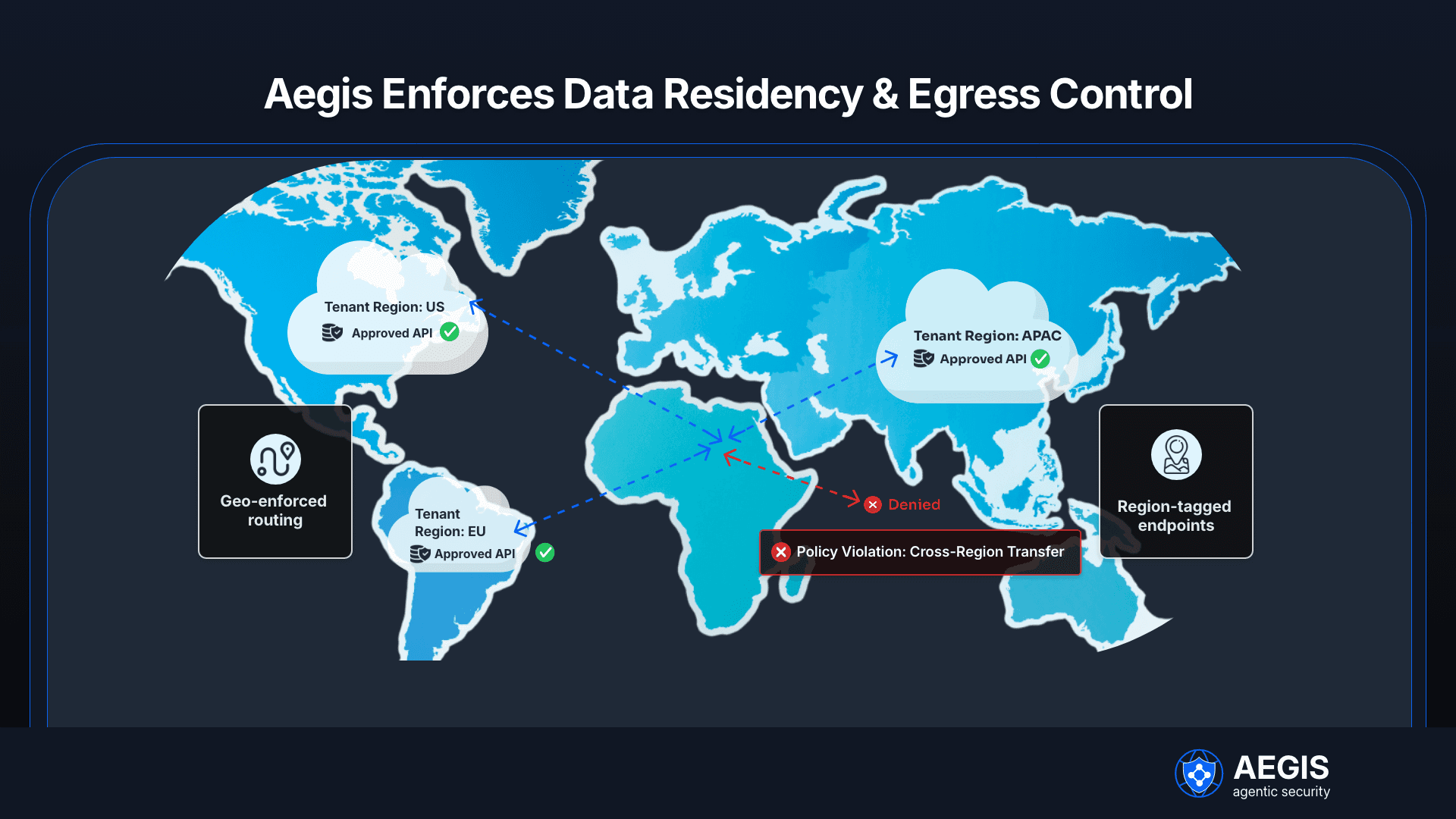
Regulators are scrutinizing automated decisioning and requiring explainability, audit trails and human oversight in high-impact domains. Insurers and buyers should align retention policies and data residency with applicable laws; Aegis supports per-tenant routing and region-tagged endpoints to meet these constraints. (McKinsey & Company)
Frequently Asked Questions
- What telemetry should I include in an insurer submission?
Include signed OTel spans with agent_id, tool, decision, policy_version and approval_id, plus shadow-mode would-block metrics and policy manifests. - How long should audit logs be retained?
Typically 3–7 years depending on sector; for financial and healthcare regulators, longer retention may be required. - Can insurers verify claims without full log access?
Yes — insurers often accept signed manifests and sampled signed spans; full access may be required for forensic investigations. - Will enforcing runtime policies break agent workflows?
If you use shadow mode followed by staged enforcement and clear approval flows, disruption can be minimized; Aegis supports dry-run simulation and policy hot-reload to reduce false blocks. - How do approvals scale?
Policies should tier approvals: low-risk automatic, mid-risk batched approvals, and high-risk manual approvals. Integrations with Slack/Teams and override tokens reduce friction.
Closing
Insurers will continue to move from high-level AI endorsements to technical underwriting that demands runtime evidence. For buyers, the path to better terms runs through measurable controls: per-agent identity, signed audit trails, policy-as-code with version history, shadow-mode evidence and enforceable SLAs. Aegis delivers these controls as a gateway between orchestrators and tools, converting governance into the exact telemetry insurers require — turning speculative risk into an auditable, insurable exposure. For market context and insurer trends see McKinsey’s insurance coverage analysis and recent industry analyst reporting. (McKinsey & Company)