
The Rise of Agentic Search: How Autonomous Agents Change SEO
Learn how agentic AI transforms SEO, content discovery, and how Aegis enforces safe, auditable agent interactions with your data.
The Rise of Agentic Search: How Autonomous Agents Change SEO
Autonomous AI agents are no longer theoretical. They’re here, searching, synthesizing, and acting on data across the web. This next phase—agentic search—reshapes how information is discovered, indexed, and trusted. Traditional SEO focused on ranking for human users; now, the new audience is AI agents capable of making decisions on behalf of users.
This transformation demands a new kind of visibility: not just to humans but to autonomous agents that prefer structured, verified, and machine-readable data.
In this blog, we’ll unpack the mechanics of agentic search, its implications for SEO, and how Aegis by Aegissecurity helps organizations secure and monitor these intelligent, automated interactions.
What Is Agentic Search?
Agentic search refers to AI-driven systems that autonomously query, evaluate, and act upon web information. Unlike traditional search engines that return ranked links, agentic search agents can:
- Read structured data directly from APIs or schema-rich pages.
- Cache, summarize, and store results for Retrieval-Augmented Generation (RAG) workflows.
- Execute follow-up actions such as bookings, purchases, or data transfers autonomously.
These autonomous agents are shifting search from human query–response loops to machine-driven orchestration loops. They don’t browse pages—they consume structured signals.
👉🏻 Redefine search and discovery with AI agents that act, not just respond
Agentic Search vs Classic Search
Feature | Classic Search | Agentic Search |
Query Input | Human text queries | AI agents via APIs or embeddings |
Output | List of ranked URLs | Structured data, summaries, or actions |
Data Preference | HTML + keywords | JSON-LD, APIs, signed schemas |
Interaction | User clicks | Agent executes |
Trust Signal | Backlinks, freshness | Provenance, authorship, metadata |
Implication: To remain discoverable, websites must expose machine-readable content and secure endpoints that agents can trust and access safely.
👉🏻 Innovate faster without compromising on control and risk management
Why Agentic Search Changes SEO Forever
The rise of agentic search doesn’t just change visibility—it changes how discovery, attribution, and monetization occur.
- Discovery Moves from Pages to Data Feeds
AI agents increasingly rely on structured data (schemas, APIs, and sitemaps). Publishers must expose machine-readable, signed metadata to remain visible to agent crawlers. - Attribution Requires Provenance
Agents need trustworthy sources. Clear authorship, timestamps, and digital signatures improve ranking within AI-driven retrieval systems. - Automation Affects Monetization Funnels
When an agent can “book” or “buy” directly through an authenticated API, conversion happens without a page visit. SEO metrics like CTR or dwell time lose meaning.
Compliance & Security Challenges
Autonomous agents blur the line between access and action. A travel bot that books flights autonomously must ensure secure API calls, rate limits, and audit logs—areas where traditional SEO frameworks offer no support.
👉🏻 Compare platforms to find the right fit for your agent strategy
Technical Signals Publishers Must Add
Schema and Structured Data
Agents favor structured, semantic content. The more context they can extract, the better your data ranks in their internal graphs.
Recommendations:
- Adopt JSON-LD schema with fields like author, publicationDate, and license.
- Provide evidence blocks (summaries with citations) that agents can ingest for RAG contexts.
- Sign content metadata cryptographically to ensure authenticity.
Example: Signed Schema Block
{
"@context": "https://schema.org",
"@type": "Article",
"headline": "AI Agents and Search Evolution",
"author": "CloudMatos Research",
"datePublished": "2025-10-15",
"signature": "ed25519:xyz..."
}
Authenticated APIs and Feeds
Agentic systems often operate through APIs, not browsers.
To support them:
- Offer authenticated, rate-limited endpoints for trusted agent partners.
- Include machine-verifiable attribution tokens to record provenance.
- Use signed metadata feeds to ensure freshness and authenticity.
These steps make your data agent-friendly while protecting it from scraping abuse.
Operational and Security Implications
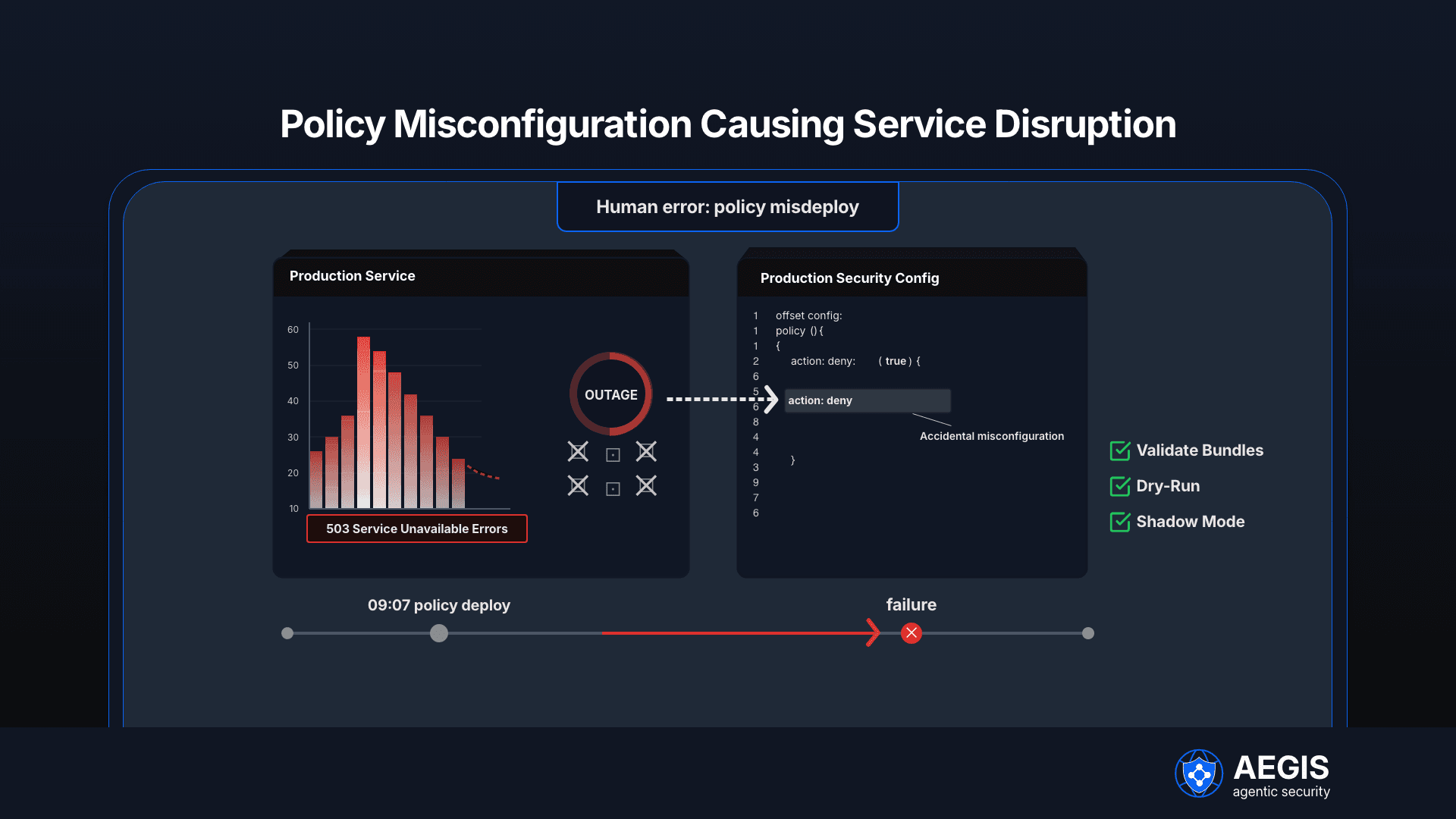
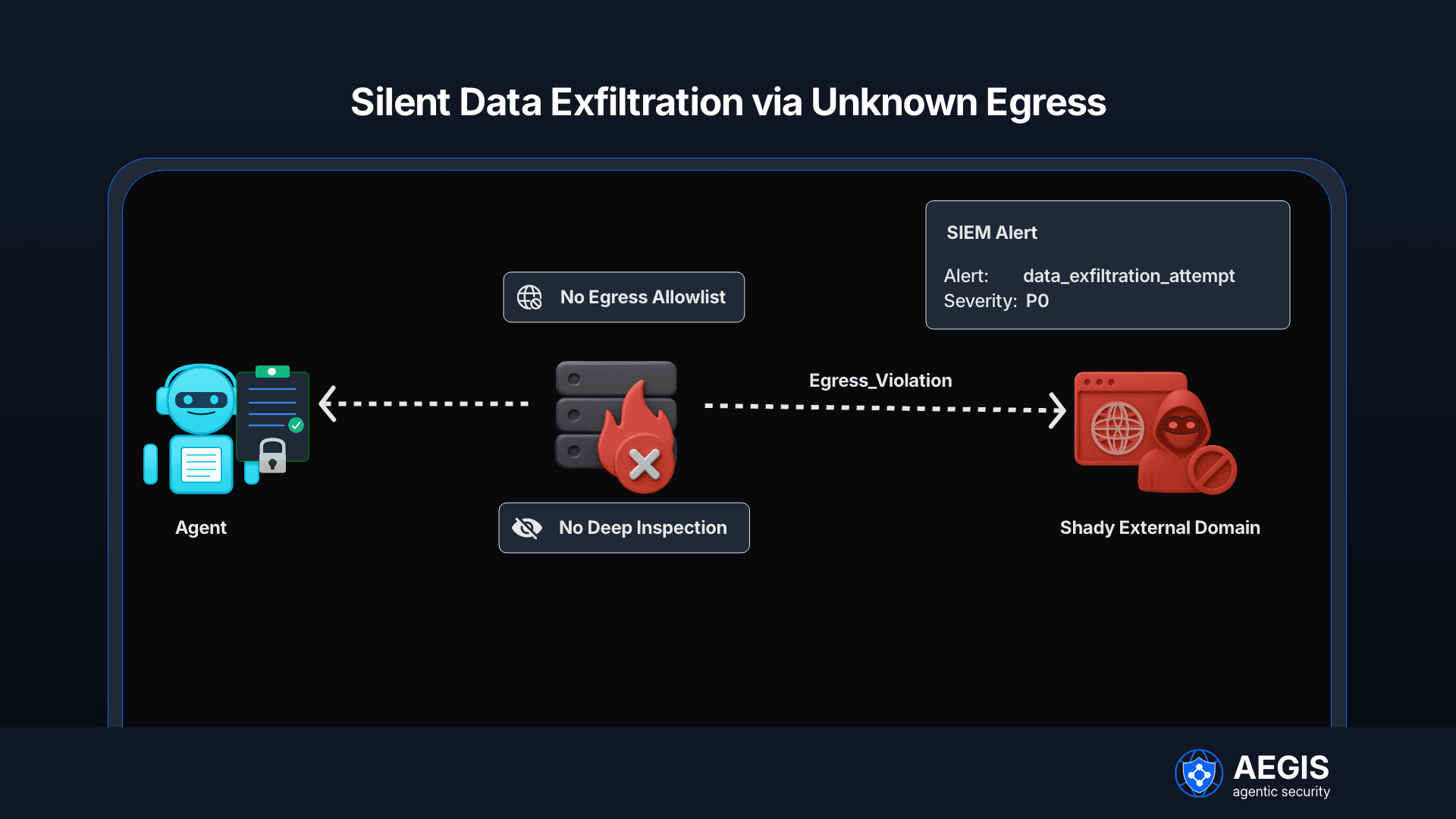
As agentic search scales, new operational challenges emerge—bot economics, API load management, and data exfiltration risk. Traditional SEO tools don’t monitor how AI agents interact with your systems.
Managing Rate Limits and Caching
Agents may query APIs far more frequently than humans.
Without governance:
- Cache bursts can spike server costs.
- Excessive requests may lead to API throttling or downtime.
Table: Example API Policy Controls
Control Type | Purpose | Example Configuration |
Rate Limit | Control concurrent requests | 100 requests/min per agent |
Token Expiry | Prevent long-term access | JWT valid for 15 minutes |
Budget Cap | Prevent runaway API costs | $20/day per agent |
Shadow Mode | Observe agent behavior before enforcement | Log-only for 7 days |
Provenance, Privacy, and Compliance
Agents that act on user behalf must respect data privacy and auditability. To comply with frameworks like GDPR or HIPAA, each agent transaction must be traceable:
- Which agent made the request?
- What data was accessed?
- Was it authorized under policy?
Here’s where Aegis Gateway enters the picture.
Introducing Aegis: The Security Mesh for Agentic Workflows
Aegis by is a runtime policy and observability fabric designed for secure multi-agent environments. As agentic search and autonomous AI become mainstream, Aegis ensures that every agent action—search, API call, or transaction—is authorized, auditable, and compliant.
Aegis in the Agentic Search Ecosystem
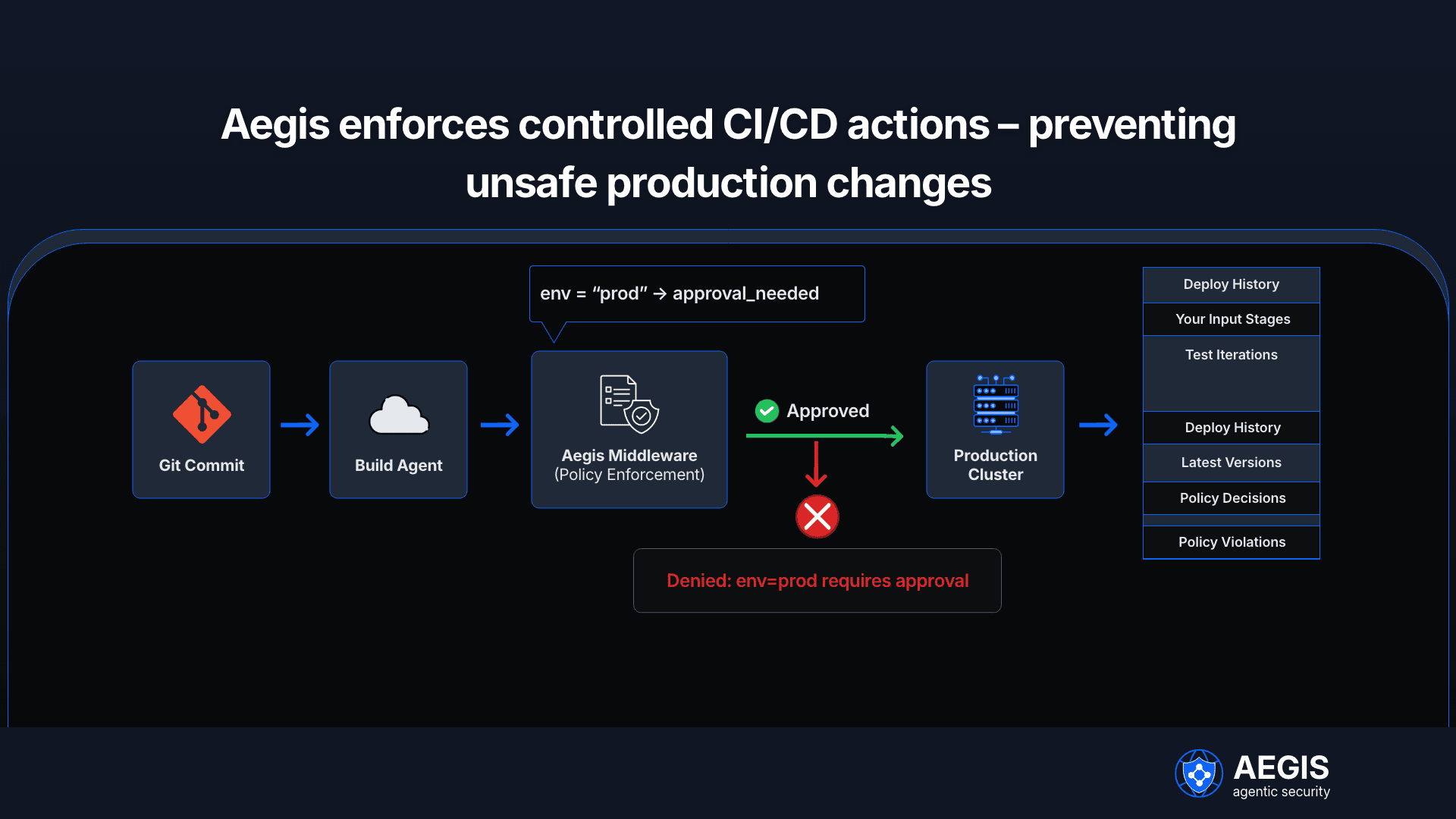
Aegis sits between orchestrators (like LangGraph, CrewAI, or AgentKit) and the external APIs or data feeds they access. Acting as a policy gateway, it evaluates each call in real time.
It enforces least-privilege access, ensuring no agent can exceed its intended scope.
For example:
- A content summarization agent can query your blog API but not modify entries.
A commerce agent can check prices but needs human approval to finalize transactions.
How Aegis Enforces Safe, Auditable Agentic Interactions
Policy-as-Code for Agent Governance
Security teams define granular agent permissions as YAML or JSON policies, specifying:
- Which agent can access which API or tool.
- Parameter constraints (e.g., amount <= 5000).
- Conditional actions (e.g., approval_needed for high-value operations).
Sample Policy Snippet
agent: finance-agent
allowed_tools:
- name: stripe-payments
actions:
- create_payment
conditions:
max_amount: 5000
Aegis compiles these into Open Policy Agent (OPA) bundles for sub-20 ms decision latency, ensuring real-time enforcement even under heavy agent traffic.
Observability and Provenance Tracking
Aegis emits OpenTelemetry traces for every agent-tool interaction:
- agent_id
- tool
- decision
- policy_version
- cost_estimate
This enables compliance-ready audit trails and FinOps insights. Security teams can visualize metrics like blocked policy violations, top tools, and policy drift across tenants.
Real-World Applications Across Industries
FinTech
Aegis enforces per-agent payment ceilings and approval flows for high-value transactions—ensuring no unauthorized fund transfers.
Example: Block any transfer exceeding $5,000 unless approved through Slack or Teams.
Healthcare
Deterministic DLP (data loss prevention) redacts PII such as SSNs or patient IDs before transmission. Aegis ensures healthcare automation agents comply with HIPAA-grade auditability.
SaaS & FinOps
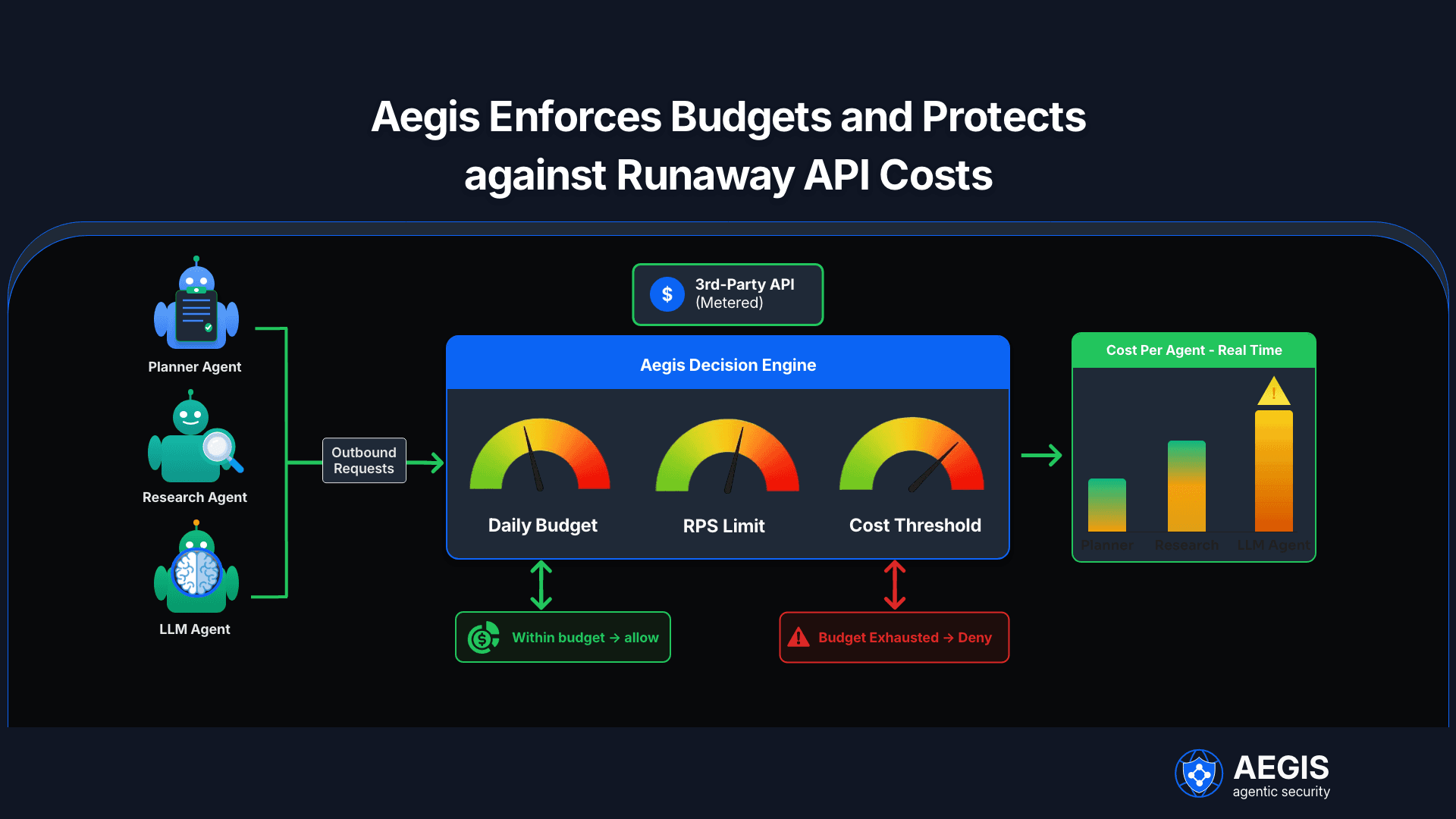
Define per-agent budgets and rate limits to prevent cost explosions from runaway API usage. Telemetry feeds inform spending dashboards for FinOps optimization.
MSSPs & Compliance
Multi-tenant SOCs can use Aegis to produce tamper-proof audit logs showing which agents accessed what data and under which policy version—critical for regulatory reporting.
The Future of SEO in an Agentic World
Agentic search pushes SEO beyond keyword optimization. Tomorrow’s discoverability depends on data portability, verified content, and policy-enforced access.
Action Plan for Enterprises:
- Publish structured, machine-verifiable content.
- Expose developer APIs with signed metadata.
- Monitor agent interactions for provenance and compliance.
Use Aegis to enforce safe, observable agent operations.
Frequently Asked Questions
1. How does agentic search differ from AI-powered search?
AI-powered search augments human queries; agentic search replaces them with autonomous workflows. Agents both find and act on information.
2. Why do I need structured data for agentic search?
Agents don’t interpret natural layout—they parse schema. JSON-LD and signed metadata make your content discoverable and trustworthy to agent crawlers.
3. How does Aegis help prevent abuse by AI agents?
Aegis acts as a runtime enforcement gateway, validating every agent API call against defined policies, rate limits, and approval workflows.
4. Can Aegis integrate with existing orchestrators?
Yes. It provides lightweight middleware for LangChain, LangGraph, and AgentKit, requiring minimal code changes.
5. What’s the latency overhead of using Aegis?
Under 20 ms at P99, thanks to prepared OPA queries and in-memory caches—suitable for real-time agentic workflows.
6. What’s next for agentic SEO?
Expect hybrid models where human-facing and agent-facing content coexist, emphasizing provenance, structured evidence, and API-level trust.