
The Future of Human-in-Loop in an Autonomous World
Practical guidance to scale human oversight for production AI agents, with an operational playbook using Aegis for approvals, telemetry, and policy-as-code.
The Future of Human-in-Loop in an Autonomous World
As organizations move agentic AI from labs into production, the core security problem shifts: how do you keep powerful, autonomous agents useful while constraining their risk? The old model — coarse approval gates or periodic manual QA — doesn't scale. This post describes the engineering primitives of a scalable human-in-loop (HITL) pipeline and shows how Aegis, Aegissecurity policy & observability fabric, supplies the runtime building blocks organizations need: approval rules, risk scoring, selective human review, shadow mode, and auditable telemetry.
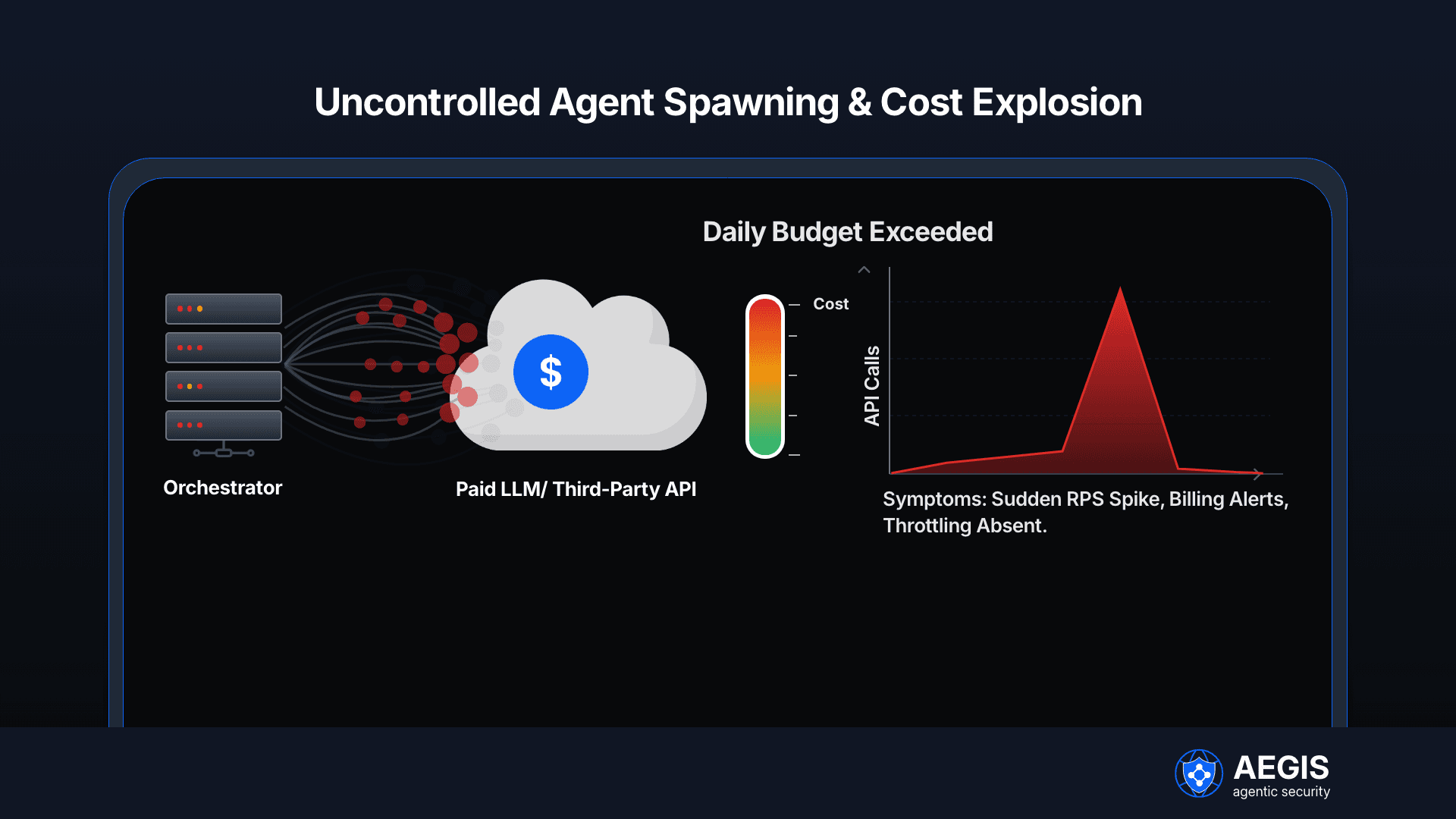
The changing role of people in agentic systems
Human roles are transforming from doing repetitive tasks to supervising agent behaviour, authoring policies, and auditing decisions. In this model, approvers are not micro-workers but decision engineers and auditors — approving only high-risk actions and tuning policies so routine, low-risk actions proceed unattended.
From doers to supervisors: new job functions
New roles include:
- Approval engineers: write risk rules and approval policies.
- Policy authors: codify allowed tool calls, parameter constraints, budgets.
- Audit analysts: investigate signed traces and escalate incidents.
- Approvers (subject matter experts): review high-impact actions with rich context traces.
This shift is essential because human attention is scarce. The engineering goal: minimize human time per prevented incident by surfacing only high-impact decisions and giving approvers concise context (diffs, call traces, policy reason). Aegis implements these patterns: approval_needed decisions, one-time override tokens, and contextual traces routed to Slack/Teams.
👉🏻 Add human oversight to critical workflows without slowing down automation
Engineering a scalable HITL pipeline
A practical HITL pipeline includes policy design, lightweight approval UX, observability, and operational controls (budgets, rate limits).
Policy design: approval types and shadow mode
Policies should be policy-as-code (YAML/JSON) with clear outcomes: allow, deny, sanitize, approval_needed. Start in shadow mode to collect would-block events for 7–14 days, tune thresholds, then flip to enforce. Aegis supports policy dry-run and shadow collection, producing OTel spans and structured logs that feed dashboards for policy tuning.
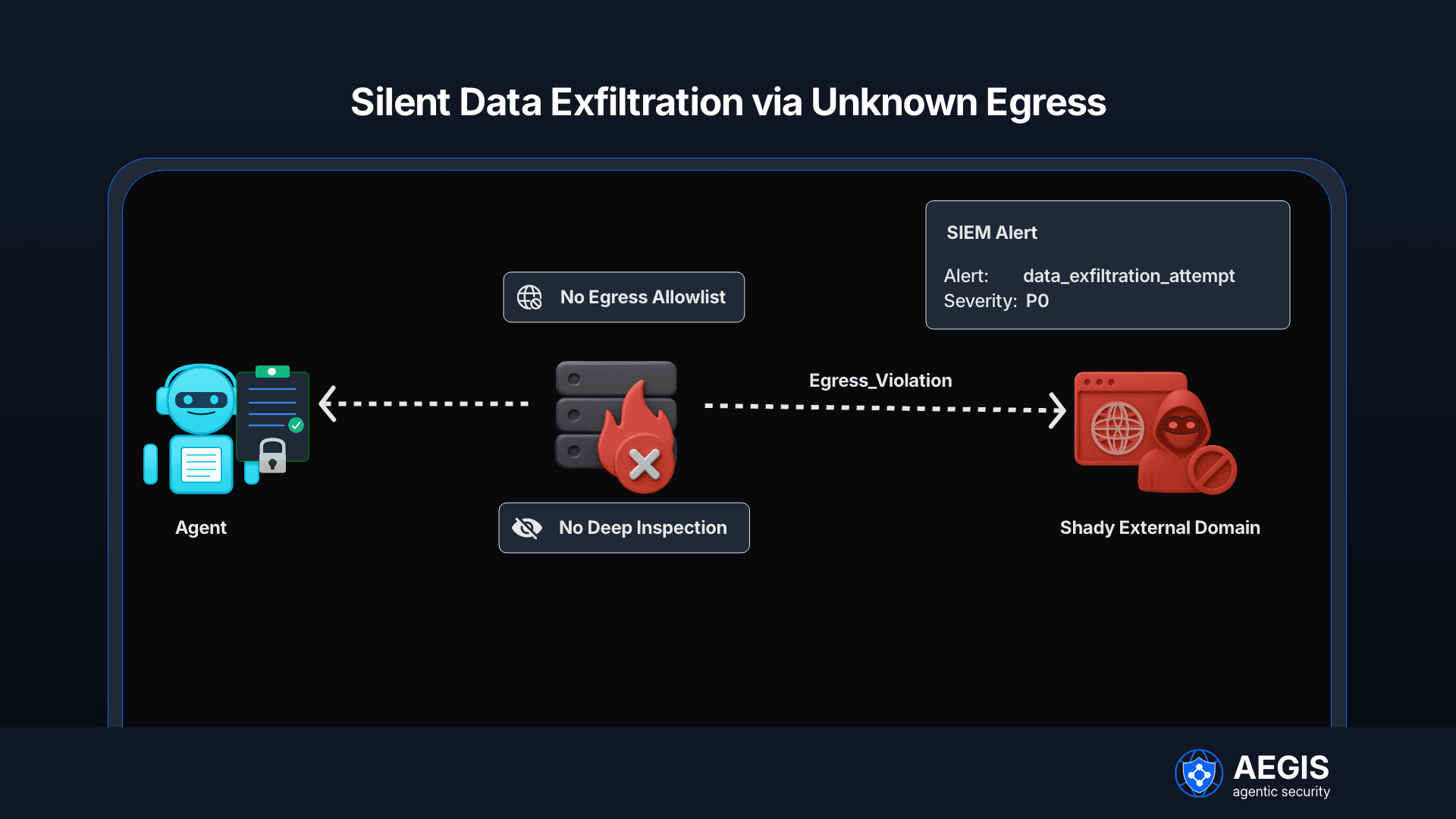
Table 1 — Example policy rules and intended outcomes
Policy condition | Outcome | Example |
amount <= 5,000 & vendor in allowlist | allow | Auto-payments to vetted vendors |
amount > 5,000 | approval_needed | Post Slack approval request |
destination not in region | deny | Prevent off-region egress |
payload contains SSN regex | sanitize | Redact PII before tool call |
Approval UX and override patterns
Design the approver UI to surface:
- A one-line summary
- The call diff (what will change)
- Agent reasoning excerpt
- Risk score and policy version
- Quick action buttons (approve / deny / escalate)
Use one-time override tokens: when approved, the system mints a single-use token allowing the client to retry the call. This pattern reduces race conditions and provides a clean audit record. Aegis’s approval flow integrates with Slack/MS Teams and returns an attestation for audit logs.
Observability and audit trails
Every decision must emit an OpenTelemetry span and a structured JSON log containing agent_id, tool, decision, policy_version, decision_reason and latency. These traces are essential for SOC and compliance reporting and help answer “who approved what, when, and why.” Aegis emits OTel spans and exports logs to SIEMs for downstream analysis.
👉🏻 Increase adoption by building user trust in every AI-driven interaction
Table 2 — Key operational KPIs
KPI | Why it matters | Target (example) |
Approval latency | Business velocity | < 30s median for high-value actions |
Percent auto-approved | Human efficiency | ≥ 85% (after tuning) |
Human time per prevented incident | ROI of HITL | < 10 minutes per incident |
Shadow → enforce false positive rate | Policy quality | < 2% after tuning |
Case studies and metrics
Market context: analyst reports show strong growth for agentic AI, with multiple market forecasts projecting multi-billion industry size in 2025 and high CAGRs through 2030+ — supporting rapid enterprise adoption but also increasing the attack surface that governance must cover. (See market summaries and forecasts.) (Mordor Intelligence)
Regulatory context: human oversight is an explicit requirement in recent EU AI regulation and guidance; Article 14 requires human oversight measures to minimise risks to health, safety, and fundamental rights — a clear signal that HITL pipelines must be auditable and demonstrable. (Artificial Intelligence Act EU)
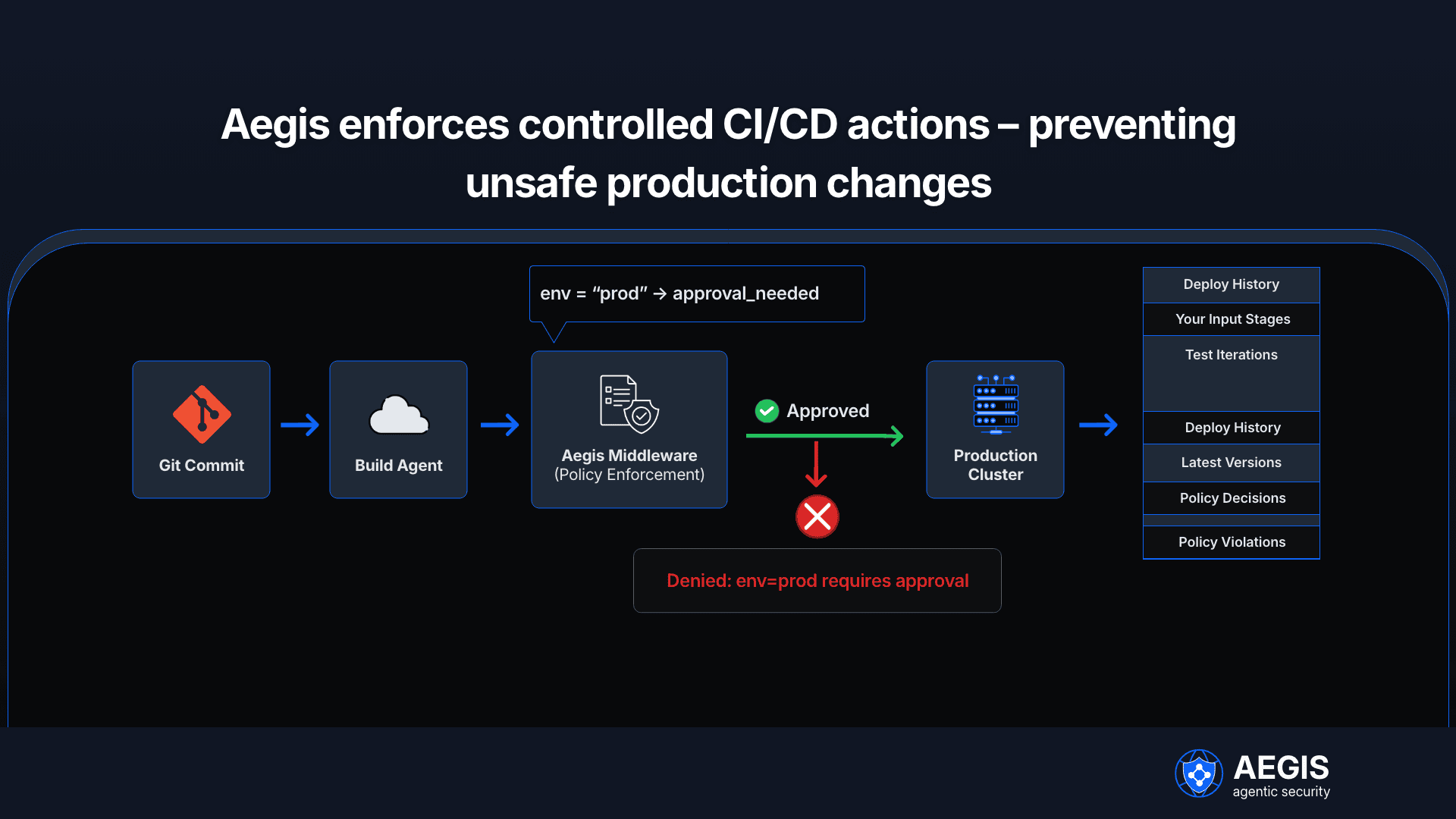
Operational vignette (DevOps CI/CD)
- Problem: planner agent auto-merges to production.
- Policy: allow auto-merge to staging; approval_needed for production; check image digest and allowed cluster tags.
- Result with Aegis: production deploys paused, approval request contains image digest, call trace, and policy version; approver signs off with one-time override token; deploy completes. This pattern eliminates “all-or-nothing” human gates while preserving velocity for safe actions.
Why Aegis: runtime policy, approvals, and telemetry
Aegis provides the runtime primitives directly targeted at the problems above:
- Policy-as-code with hot-reloadable bundles, compiled to OPA for low latency checks.
- Runtime enforcement at the agent↔tool boundary via a gateway/proxy pattern (sidecar or forward proxy), ensuring every tool call is evaluated in real time.
- Approval flow: approval_needed decisions trigger Slack/Teams messages; on approval Aegis mints override tokens so retries are explicit and auditable.
- Observability: every decision emits OpenTelemetry spans and structured logs containing agent ID, policy version, decision, and reason — enabling SIEM and compliance workflows.
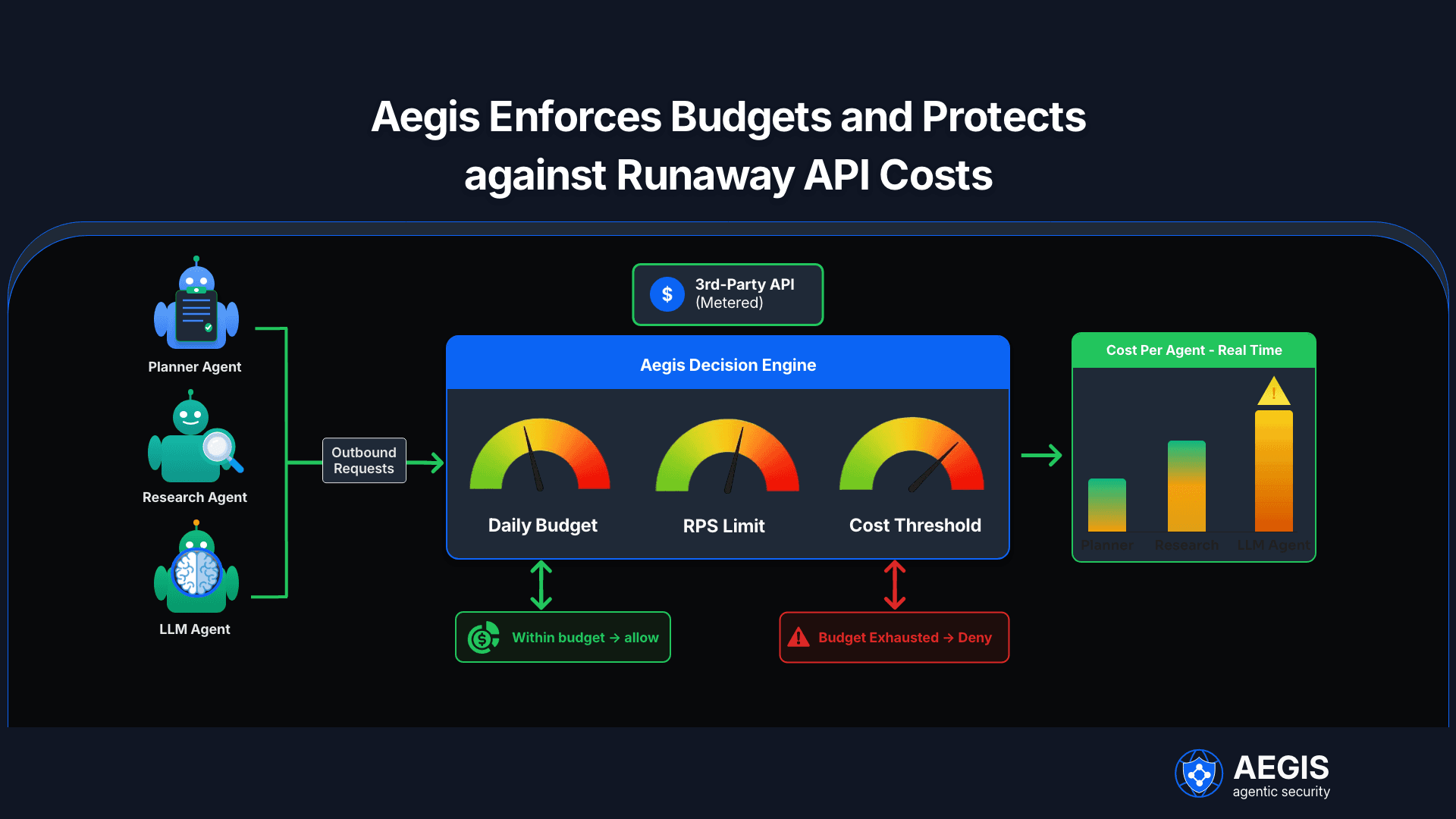
Aegis is designed for multi-tenant, regulated environments. It supports per-agent budgets and rate limits, region-tagged routing for data residency, deterministic DLP for PII redaction, and tamper-resistant policy versioning. The architecture intentionally separates the data plane (fast decision enforcement) and control plane (policy management and bundle distribution) to minimise latency while retaining governance controls.
👉🏻 Create governance structures that guide responsible AI growth
Recommendations for piloting HITL with Aegis
Quick playbook:
- Identify high-impact actions (payments, deploys, EHR exports).
- Write policies in shadow mode and run for 7–14 days to collect would-block metrics.
- Surface concise call traces and policy diffs to approvers; measure median approval time.
- Tune thresholds to reduce approval volume; introduce sampling for lower-risk domains.
- Flip to enforce with budget controls and monitoring dashboards.
Design tips to avoid common pitfalls:
- Avoid approval fatigue: use risk scoring + auto-approve thresholds, and allow sampling and periodic audits for low-risk actions.
- Reduce latency by precompiling OPA prepared queries and caching policy bundles.
- Give approvers context: show diffs, call chain, and the agent’s reasoning snippet to support fast decisions.
Frequently Asked Questions
Q: How do I set thresholds to avoid overwhelming approvers?
A: Start in shadow mode, collect would-block events, calculate frequency and median damage potential per rule, then set a target human budget (human minutes per prevented incident). Use auto-approve for low-impact ranges and sample audits.
Q: Will runtime policy checks add unacceptable latency?
A: Properly implemented (prepared OPA queries, in-memory caches) decision calls can stay in the low milliseconds at P99. Aegis is architected to keep policy evaluation under tight latency SLAs.
Q: How do we prove compliance?
A: Emit signed OpenTelemetry spans and structured logs for every decision, store policy versions with metadata, and integrate logs into SIEM for immutable audit trails. Aegis exports OTel spans and SIEM-ready logs for this purpose.
Q: Can approval flows integrate with our existing collaboration tools?
A: Yes — approval notifications and interactive messages can be routed to Slack or Microsoft Teams; approvals mint one-time override tokens to preserve atomicity.
Q: How do we prevent policy misconfiguration from blocking production workflows?
A: Use dry-run validation, shadow mode, schema validation for policy YAML, and a rollbackable version history. Automate policy testing in CI to catch regressions before deployment.
Q: What metrics should we track first?
A: Approval latency, percent auto-approved, number of would-block events in shadow mode, human time per prevented incident, and incident reduction rate.
Closing
Scaling human oversight is an engineering problem: define measurable thresholds, provide rich context to approvers, run policies in shadow to tune them, and instrument every decision with audit trails. Aegis supplies the runtime enforcement, approval patterns, telemetry and developer ergonomics you need to pilot and scale a pragmatic HITL program in regulated, multi-tenant environments.
References and further reading
- EU AI Act — Article on human oversight and obligations. (Artificial Intelligence Act EU)
- Market analysis and agentic AI forecasts (2024–2025 summaries). (Mordor Intelligence)
- Enterprise generative AI security survey (concerns about security and data protection). (WRITER)
- Aegis technical brief and MVP specification.