Predicting New Job Roles in an AI Agent Economy
How agentic AI creates new governance roles and how Aegis enforces runtime policy, telemetry and FinOps for secure scaling.
The Agent Economy - New Roles and How Aegis Secures Them
The shift from human-executed tasks to hybrid human-agent teams creates structural changes in hiring, org design, and security. This article explains what the agent economy means for jobs, outlines nine roles teams should recruit for today, and describes how Aegis — Aegissecurity agent security mesh — enforces least privilege, audit-ready telemetry, and FinOps controls for multi-agent systems. The content focuses on operational detail, policy-as-code practices, and measurable outcomes for regulated enterprises.
What the agent economy means for jobs
Agentic AI recasts automation as persistent, autonomous workflows that operate across tools and services. Organizations move from role-based execution to oversight, governance, and policy engineering. Market signals show rapid interest in agentic workflows and a shift toward governance roles; enterprises cite security, integration, and governance as primary adoption barriers. These changes affect hiring, retention, and compensation: fewer repetitive task executors, more supervisory engineers and policy authors.
Key organizational impacts:
- Work splits into policy design, runtime validation, approval orchestration, and telemetry analysis.
- Compliance and SOC functions require signed traces and tamper-proof logs for audits.
- FinOps must track per-agent spend, budgets, and throttles.
Aegis’s design brief highlights these operational drivers by specifying a runtime policy and observability fabric that enforces identity, parameter constraints, and budget limits for agents. The technical spec and product goals make clear that enterprises need an Istio-style control layer adapted to agent semantics.
👉🏻Prepare your teams with the skills needed for the future of agentic AI
Nine new roles you should hire for today
These roles reflect immediate staffing priorities for secure, scalable agent adoption.
- Agent Policy Engineer — writes policy-as-code (YAML/JSON → Rego/OPA), tests dry-run policies, owns policy versioning and rollbacks. KPI: time-to-publish safe policy < 1 day.
- Agent Identity Manager — operators for short-lived JWTs, tenant scoping, key rotation. KPI: token compromise incidents = 0.
- Approval Operator — manages human-in-the-loop workflows and approval queues integrated with Slack/Teams. KPI: median approval latency.
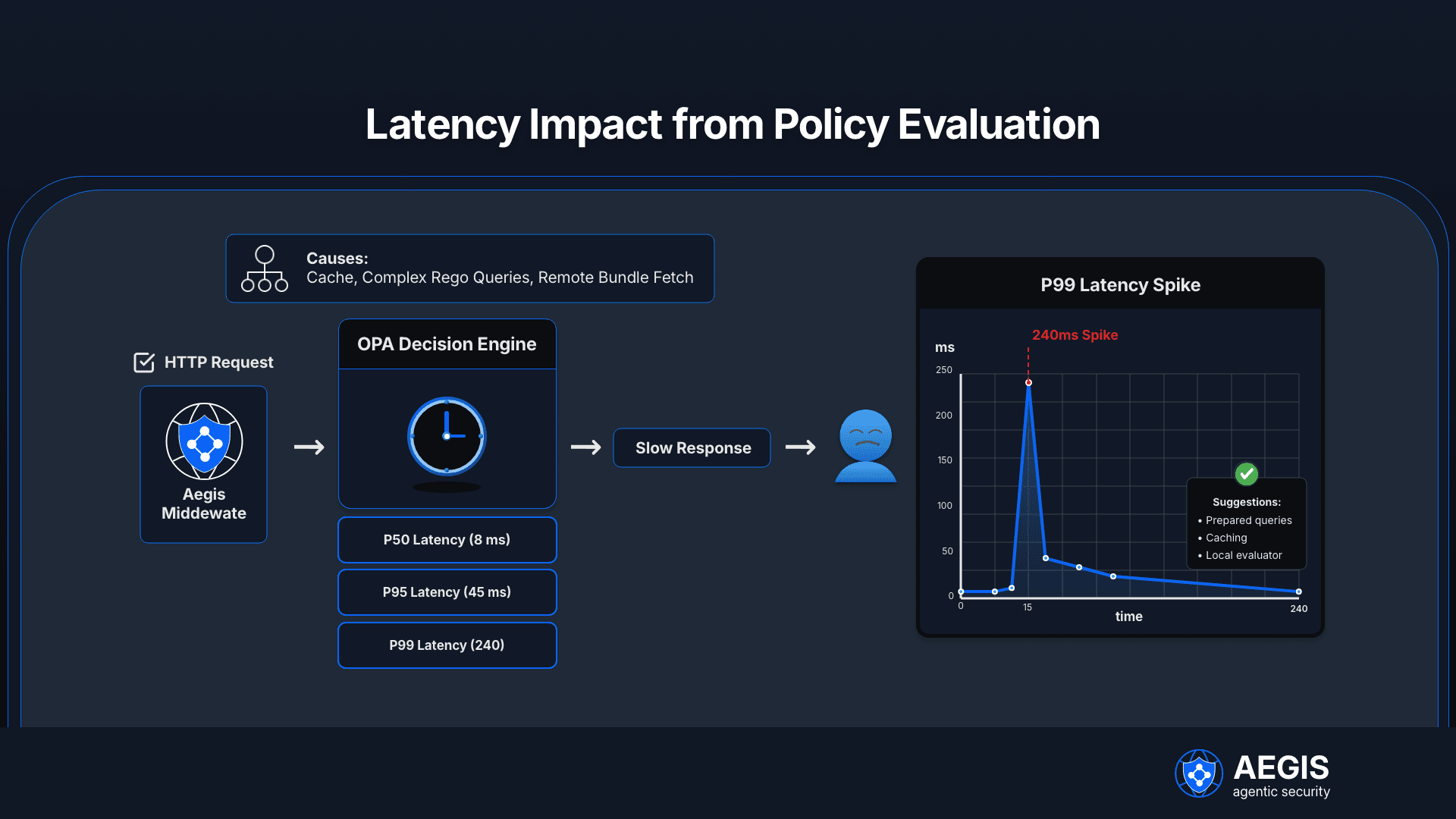
- Agent Reliability Engineer — monitors P99 decision latencies, hot-reload behavior, and fail-closed semantics. KPI: policy eval P99 ≤ 20 ms.
- Agent FinOps Analyst — defines per-agent budgets, throttles expensive connectors and analyzes cost trends. KPI: LLM spend reduced (%).
- Agent Auditor — analyzes signed traces for compliance, maps policy versions to incidents. KPI: audit findings resolved per quarter.
- Prompt Safety Officer — creates injection-resistant templates, parameter sanitizers, and DLP rules. KPI: prompt injection incidents.
- Agent UX Designer — designs human-agent handoffs, approval UX, and operator dashboards.
- Agent Marketplace Manager — curates reusable agent templates and connectors, coordinates multi-tenant policy packaging.
Job descriptions and KPIs
Each role should map to measurable outcomes: policy coverage %, mean time to policy change, incident rate per 1,000 agent calls, and dollars saved by FinOps throttles. For MSSPs, add multi-tenant isolation KPIs and tenant-scoped policy drift metrics. See the Aegis use-case breakdown for practical orchestration of these roles in regulated environments.
Upskilling and org design for safe scaling
Upskilling must be tactical and fast. Focus training on:
- Policy-as-code: Rego/OPA basics, schema validation, dry-run simulation.
- Telemetry analysis: OpenTelemetry spans, structured logs, SIEM ingestion.
- Human-in-loop design: approval workflows, override tokens, and rate-limit logic.
- Domain compliance: mapping regulations to policy conditions (e.g., PHI egress rules).
Organizational design: embed policy teams inside product and compliance, not siloed. Create a lightweight control plane team (policy authors, token service, bundle management), a runtime data plane (gateway/sidecars), and a FinOps + SOC mix for enforcement and audits. Example recommended org chart: Core Platform (policy, identity, telemetry) → Compliance (auditing, legal) → Product Integrators (connectors) → Ops (approvers).
Implementation tip: establish internal certification for policy authors and a staged shadow rollout plan: 7–14 days shadow mode, tune rules, then flip to enforcement.
👉🏻 Lead AI transformation with a vision that inspires adoption and innovation
How Aegis enforces policy, telemetry, and FinOps
Aegis is built as a runtime gateway that intercepts every agent→tool call, evaluates policy bundles, and emits signed observability artifacts for SOC and FinOps teams. Key capabilities:
- Agent identity & tokens: short-lived JWTs with tenant and agent claims, rotated keys, and JWKS verification to prevent replay and token theft. The control plane issues tokens and enforces token binding at the gateway.
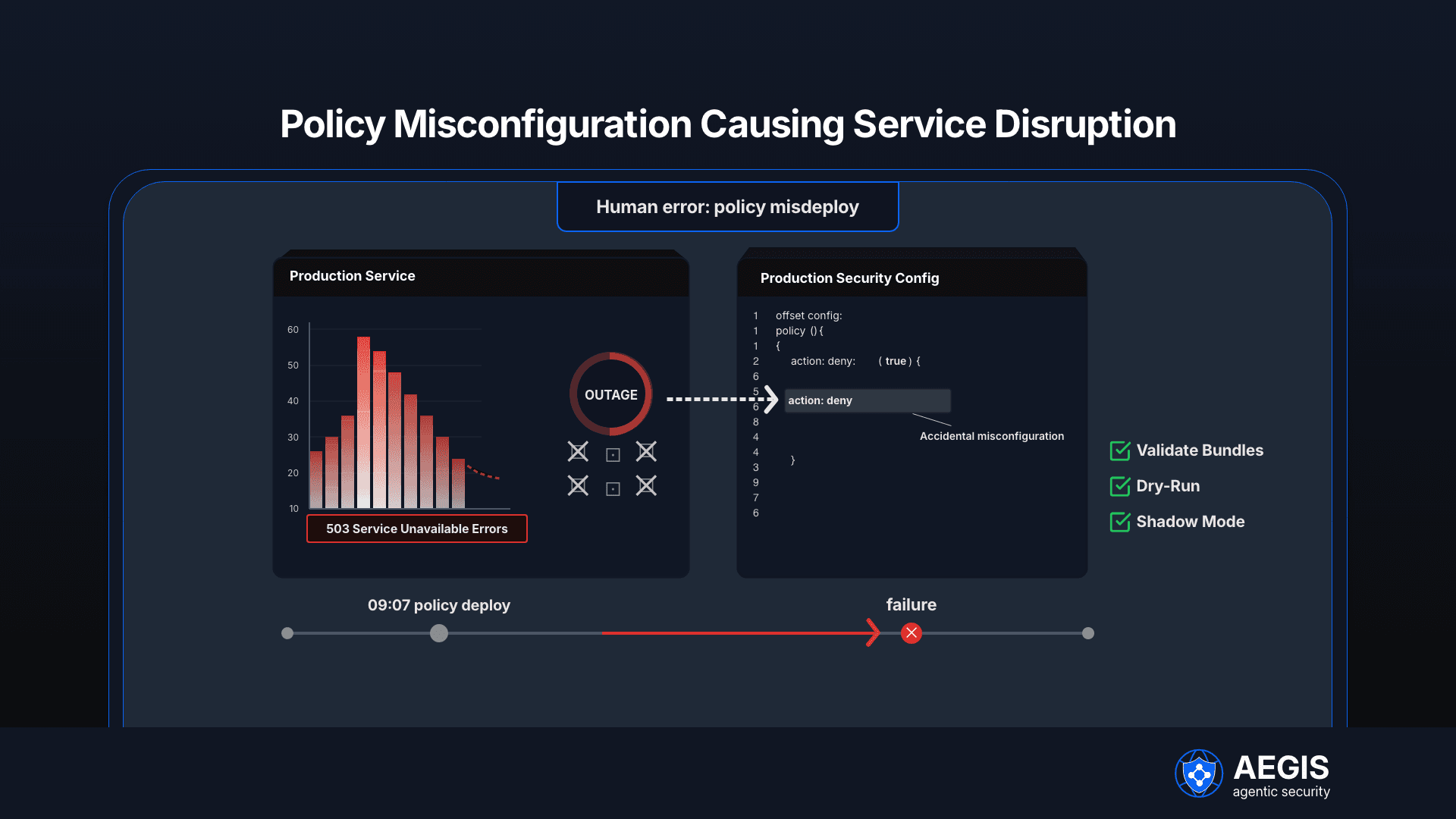
- Policy-as-code & hot reload: YAML/JSON policy authored by Agent Policy Engineers is compiled into OPA bundles and hot-reloaded by the decision service. Policies support allow/deny/sanitize/approval_needed decisions and numeric constraints (e.g., max_amount: 5000).
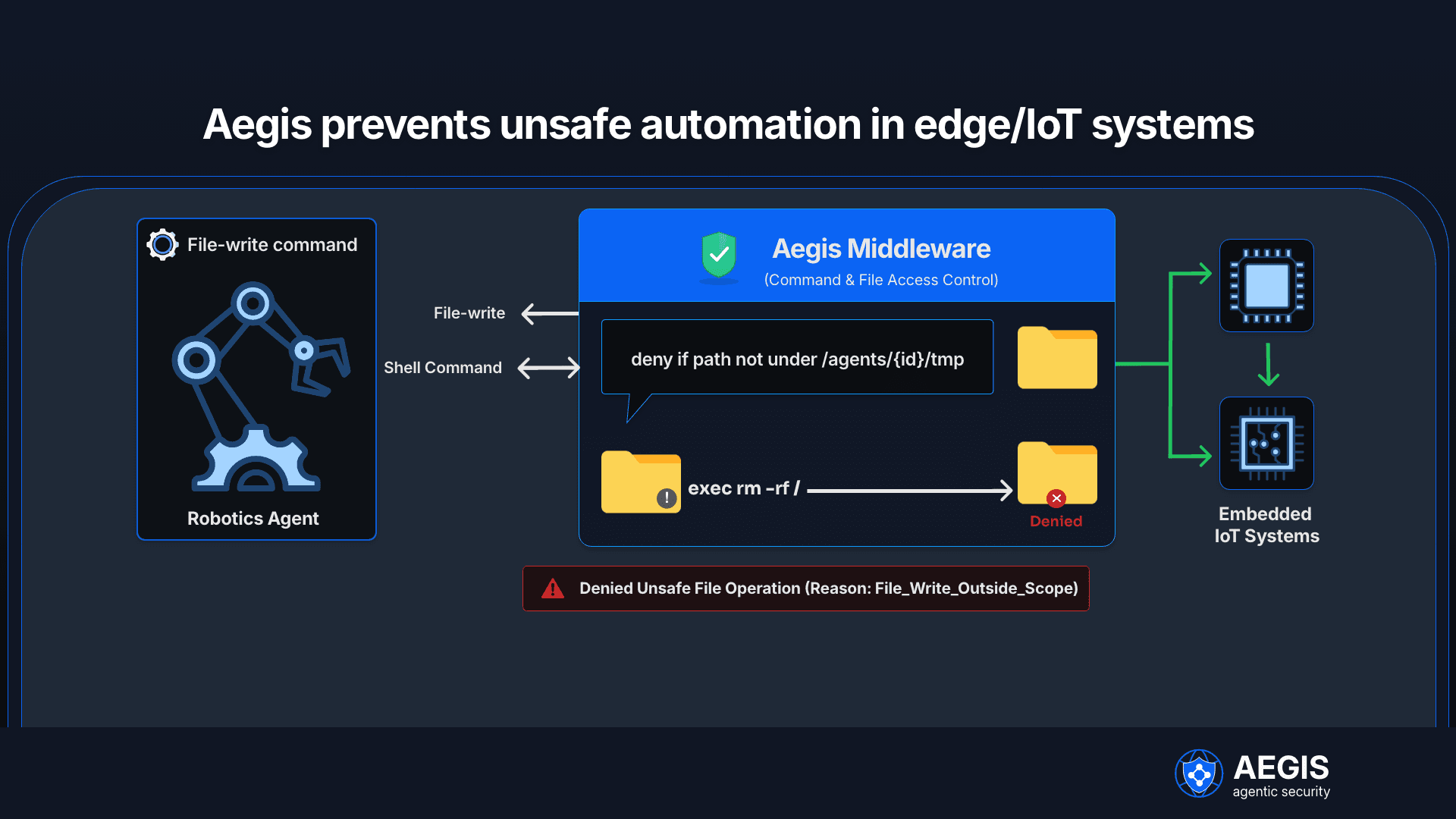
- Runtime enforcement: the gateway runs as a sidecar/forward proxy (Envoy ext_authz pattern) or middleware and evaluates each call (agent_id, tool, parameters, call chain). Decisions are returned in ms and can block or sanitize calls.
- Approval workflows: for high-risk actions, the system can emit approval requests to Slack/Teams and mint one-time override tokens upon human signoff.
- Telemetry & auditability: every decision emits an OpenTelemetry span with agent_id, tool, policy_version, decision_reason, and estimated cost. Optionally logs are signed or hashed to provide tamper evidence during audits.
- FinOps controls: per-agent budgets, rate limits, and cost aggregation prevent runaway spend. Dashboards show spend by agent and tool, enabling the Agent FinOps Analyst to reduce LLM spend and throttle expensive connectors.
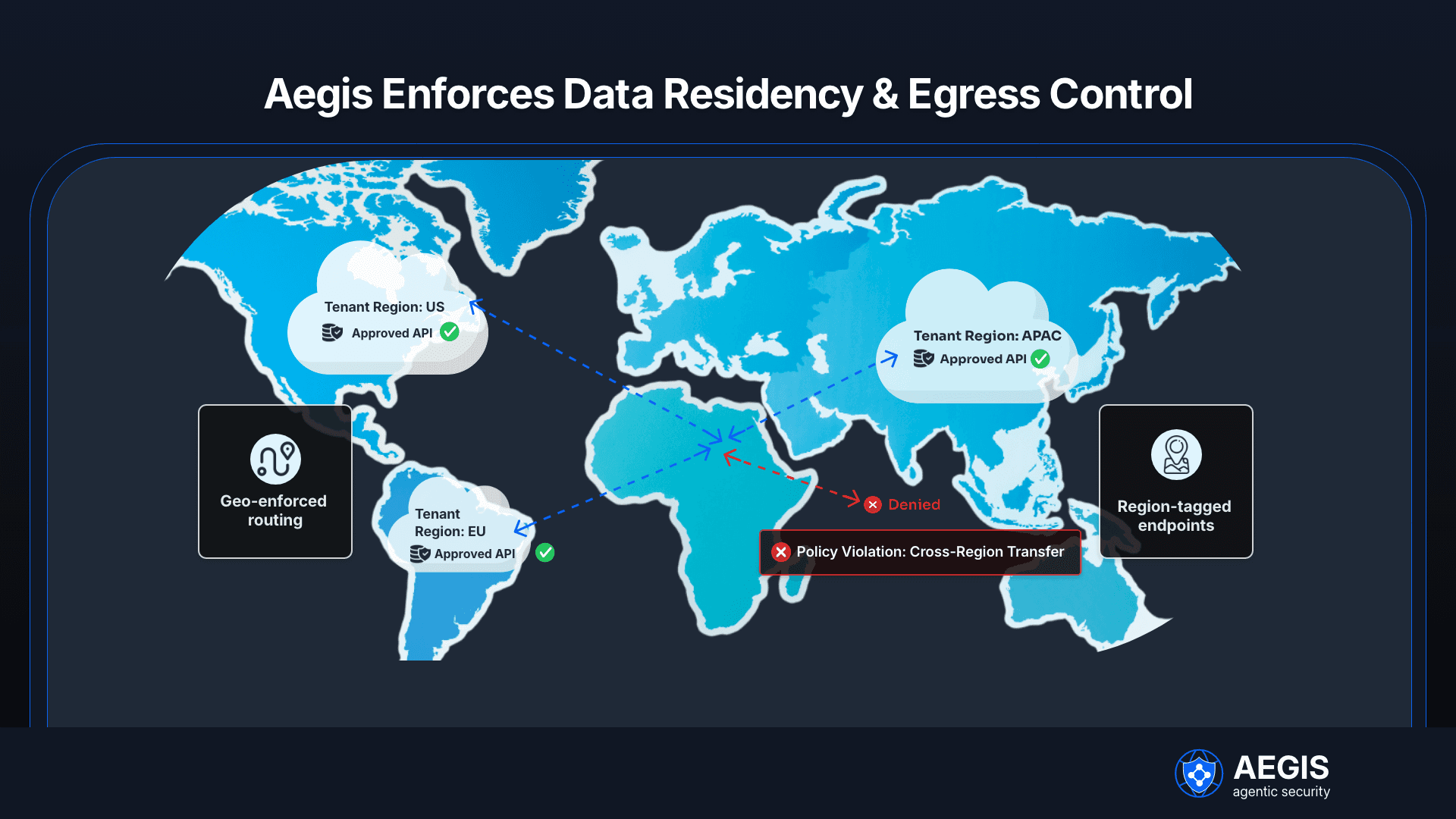
Aegis’s architecture and MVP goals are operationally focused: low latency policy eval (<20 ms P99), full telemetry coverage for agent-tool calls, and developer tools (CLI/SDK) to register agents and run dry-runs. These requirements map directly into the nine roles above.
👉🏻 Drive innovation faster by embedding multi-agent AI into your R&D ecosystem
Metrics and policy examples
Metric | Target (MVP) | Operational Owner |
Policy eval latency (P99) | ≤ 20 ms | Agent Reliability Engineer |
Policy coverage (critical tools) | ≥ 80% | Agent Policy Engineer |
Telemetry trace coverage | 100% agent-tool calls | Platform / SOC |
Per-agent budget enforcement | active for all billable agents | Agent FinOps Analyst |
Shadow→Enforce ramp time | 7–14 days | Product Integrator |
Policy example (YAML fragment) | Purpose |
agent: finance-agentallowed_tools: - name: stripe-payments actions: [create_payment] conditions: {max_amount: 5000} | Prevent unauthorized high-value transfers |
agent: support-agentallowed_tools: - name: slack actions: [post_message] conditions: {business_hours_only: true, redact_pii: true} | Controlled channel posting + DLP |
Deployment and MSSP considerations
MSSPs require multi-tenant isolation, tenant-scoped bundles, and per-tenant routing for data residency. Aegis supports tenant-scoped policies and signed bundles to avoid cross-tenant policy bleed. For MSSPs:
- Provide tenant onboarding templates.
- Offer multi-tenant dashboards and segregated logs.
- Implement tenant quota and approval delegation models.
Operational playbook: run policies in shadow mode for new tenants, collect would-block metrics, iterate quickly, then flip enforcement.
Frequently Asked Questions
Q: How quickly can teams go from shadow mode to enforcement?
A: Typical safe rollout is 7–14 days: shadow to collect would-blocks, tune regex and thresholds, then enable enforcement.
Q: What telemetry formats does Aegis export?
A: OpenTelemetry spans plus structured JSON logs for SIEMs; optional signed/auditable logs for compliance use cases.
Q: Can Aegis throttle or budget LLM spend per agent?
A: Yes — per-agent budgets and RPS limits are first-class policy conditions; budget exhaustion returns a PolicyViolation: BudgetExceeded decision.
Q: How do approvals scale?
A: Policies specify thresholds to reduce low-risk approvals; the approvals service queues requests, integrates with Slack/Teams, and mints ephemeral override tokens on approval.
Practical next steps
Start by mapping high-risk agent→tool interactions and assign owner roles from the nine-role list. Run policies in shadow mode, instrument OpenTelemetry traces, and measure: policy coverage, P99 decision latency, and per-agent spend. Use a runtime gateway like Aegis to centralize identity, enforce per-call constraints, and produce auditable telemetry for SOC and FinOps teams.