
Lessons from Past AI Adoption Cycles for Agentic AI
Practical lessons from past AI cycles and operational controls to safely scale agentic AI with runtime policy, observability, and Aegis.
Lessons from Past AI Adoption Cycles — Building Safe Agentic AI
Enterprises moving agentic AI from prototypes to production face a predictable set of pitfalls: optimistic pilots that ignore operating model changes, missing data plumbing, and absent runtime governance. Gartner forecasts that over 40% of agentic AI projects will be canceled by the end of 2027 unless organizations adopt disciplined controls and operating models. (Gartner)
👉🏻 Embed secure development practices into every stage of your AI initiatives
Core failure modes from past cycles
Adoption failures historically cluster into a short list of repeatable causes. Recognizing them early prevents expensive rollbacks.
1. Tech-led pilots without executive sponsorship
Teams launched pilots driven by engineering enthusiasm rather than business outcomes. Without C-suite sponsorship and measurable SLOs, pilots lose priority when integration costs appear. McKinsey’s research shows top performers combine strategy, talent and operating-model alignment to capture sustained value from AI. (McKinsey & Company)
2. Missing data plumbing and parameter validation
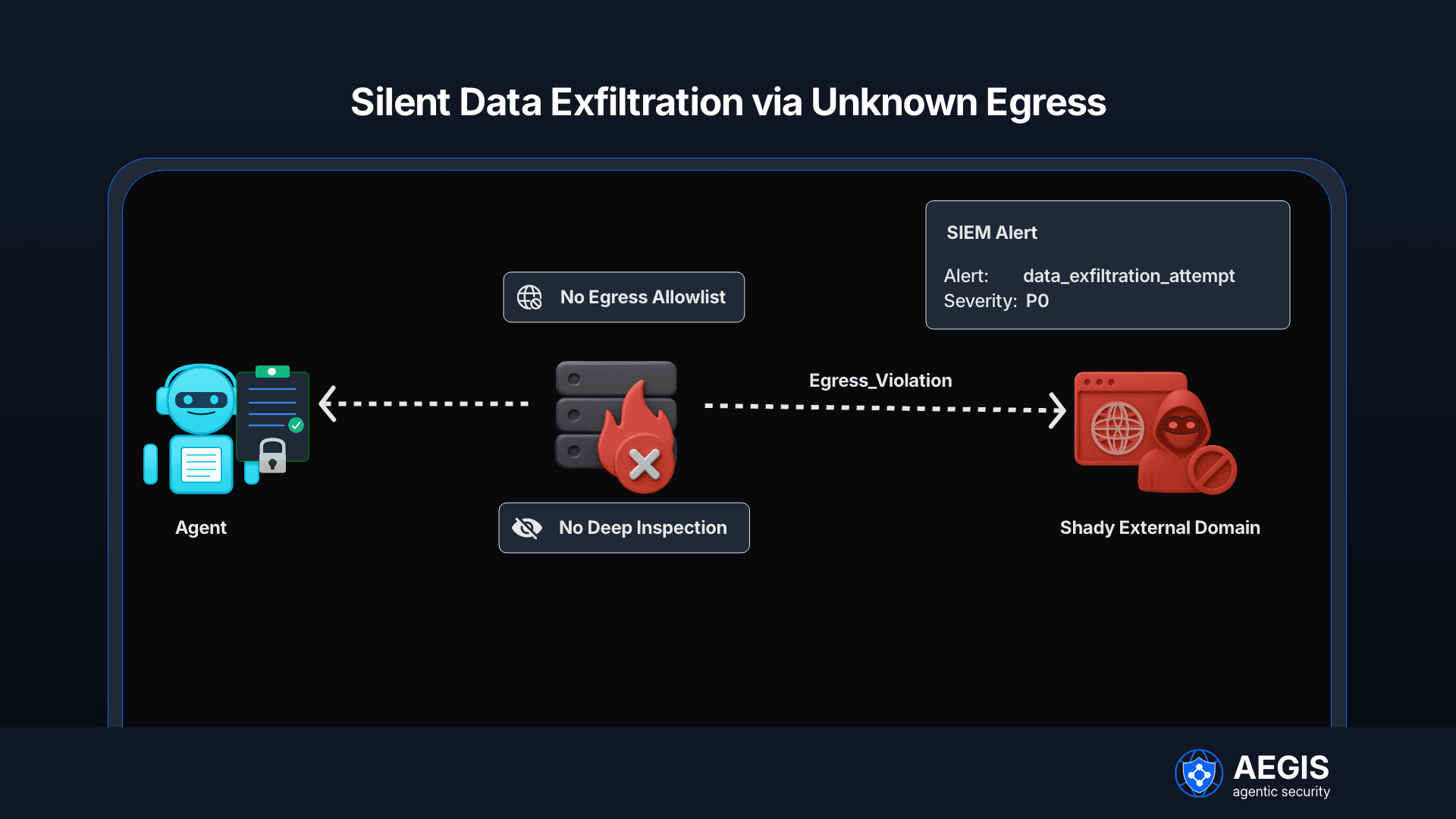
Deployments that assume “data will be fixed later” fail. For agentic AI, the problem is worse: agents pass parameters into tools (amounts, identifiers, file paths). Lack of strict parameter validation allows prompt-injection, faulty transactions, or data leakage.
3. No runtime governance or observability
Static policy reviews or manual code checks are insufficient. Agentic workflows require per-call decisions, audit trails, and end-to-end telemetry (spans, correlated logs) to identify lateral coercion between agents.
4. Fragile point solutions
Ad hoc validators inside a single agent don’t scale across teams or tenants. Without a central enforcement fabric, policy drift and accidental privilege escalation are common.
Organizational levers that worked
Successful adopters invested in operating model changes, not just tooling.
Sponsorship, squads, and SLOs
Three levers correlate with success: C-suite sponsorship, cross-functional squads (security, platform, product, legal), and outcome SLOs that include safety and cost. McKinsey’s surveys underline the importance of organizational alignment across strategy, talent, and operating model for scaling AI. (McKinsey & Company)
Continuous policy testing and dry-run
Turn policies into testable artifacts. Use shadow/dry-run for at least one release cycle, instrument “would-deny” events, and iterate rules before flipping enforcement.
👉🏻 Lead agentic AI adoption with a clear vision that drives meaningful transformation
Translating lessons to agentic AI — three governance primitives to adopt early
Adopt these primitives before you enable production agents.
- Policy-as-code (YAML/JSON) with schema validation and versioning.
- Approval workflows & risk thresholds (human approval for high-risk actions).
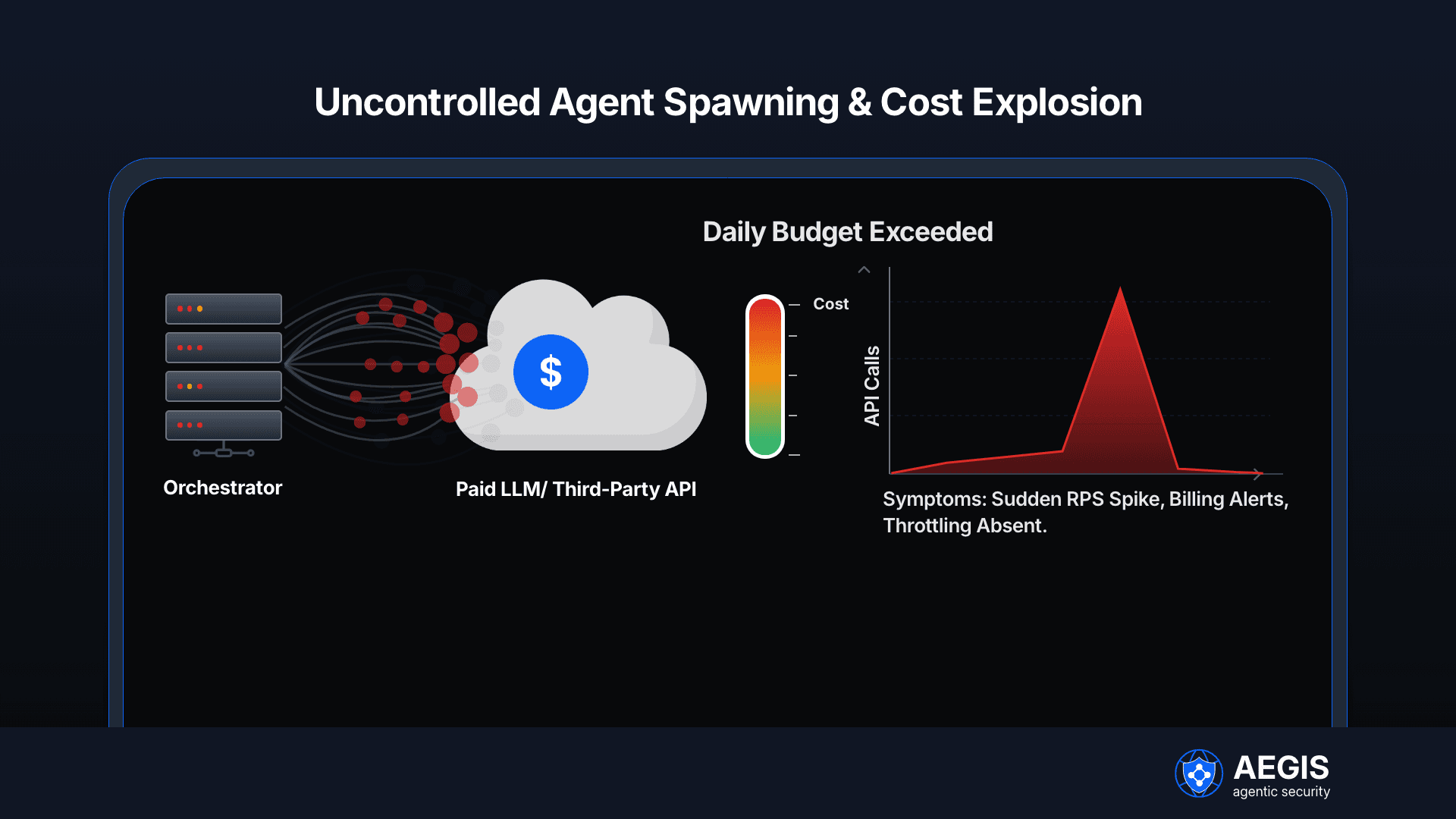
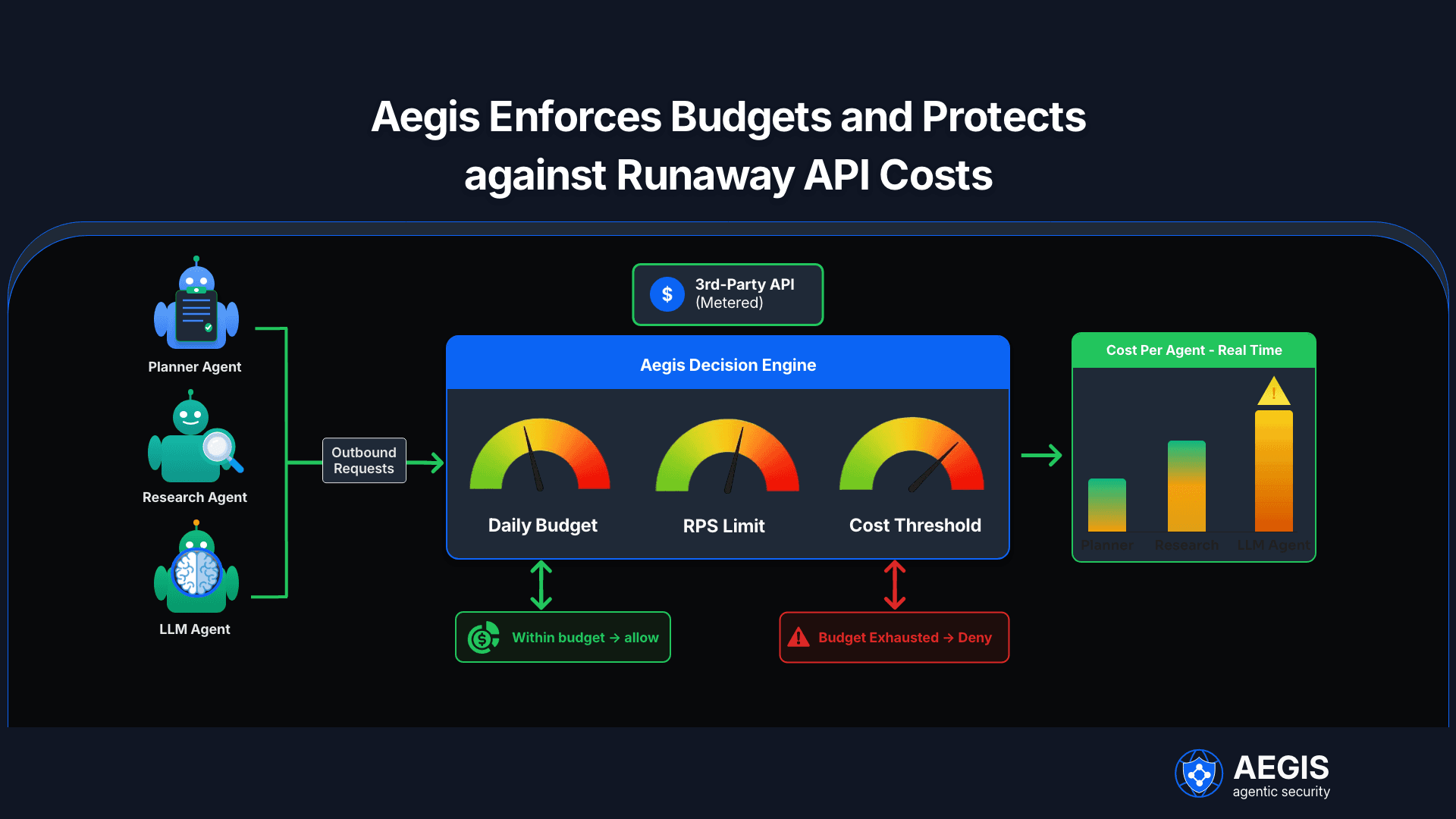
- Budget & rate limits per agent (prevent runaway spend).
Concrete control mapping:
Lesson | Action |
Data quality matters | Parameter schemas + label governance + per-field validation |
Lack of visibility | Emit OpenTelemetry spans per agent call (agent_id, tool, decision) |
Uncontrolled spend | Per-agent daily budgets + rate limits + cost telemetry |
Lateral coercion | Parent-agent chain verification and enforced identity propagation |
Tech controls and runbooks
Below are practical, implementable runbooks security and platform teams can adopt.
Runbook: Agent identity & registration
- Enforce central registration for every agent with a unique ID and short-lived token.
- Include claims: org, tenant, agent_role, and parent_agent_id (if any).
- Rotate keys and require signed tokens for all agent→gateway calls.
Runbook: Parameter validation & policy evaluation
- Define parameter schemas in policy-as-code; include regex rules and numeric ranges (e.g., amount ≤ 5000).
- Evaluate at the gateway per call: agent_id, tool, endpoint, and body parameters.
- Return standardized error objects on deny; include policy_version and decision_reason in the response and trace.
Runbook: Shadow → Dry-run → Enforce rollouts
- Deploy policies in shadow mode for 7–14 days, collect would-deny metrics.
- Tune rules based on false positives/negatives, then flip enforcement for a staged set of agents.
- Maintain runbooks for backout and rollback (policy version rollback and temporary fail-open circuit).
Observability requirements
Emit an OpenTelemetry span for every decision containing: agent_id, tool, decision, policy_version, latency, approximate cost. Correlate with logs and SIEM. This makes post-incident root cause analysis and compliance reporting tractable.
Exemplar cautionary vignette
An anonymous retailer pilot allowed an agent to create refunds via a payments API without strict parameter checks. A planner-style agent forwarded user text that contained manipulated amounts. Result: reimbursement fraud and operational stoppage while teams mitigated exposure. Preventable actions: agent identity + per-agent ceilings + parameter validation + approval_needed on high-value transfers.
👉🏻 Establish governance leadership to guide responsible AI growth at scale
Aegis as a tactical enabler
Aegis is designed precisely to bridge the gap between policy planning and runtime enforcement.
What Aegis provides
Aegis acts as a runtime gateway and policy fabric that sits between orchestrators and tools. Core capabilities include:
• Agent identity and token issuance tied to short-lived claims.
• Policy-as-code compiled into fast evaluators (OPA/compiled rules).
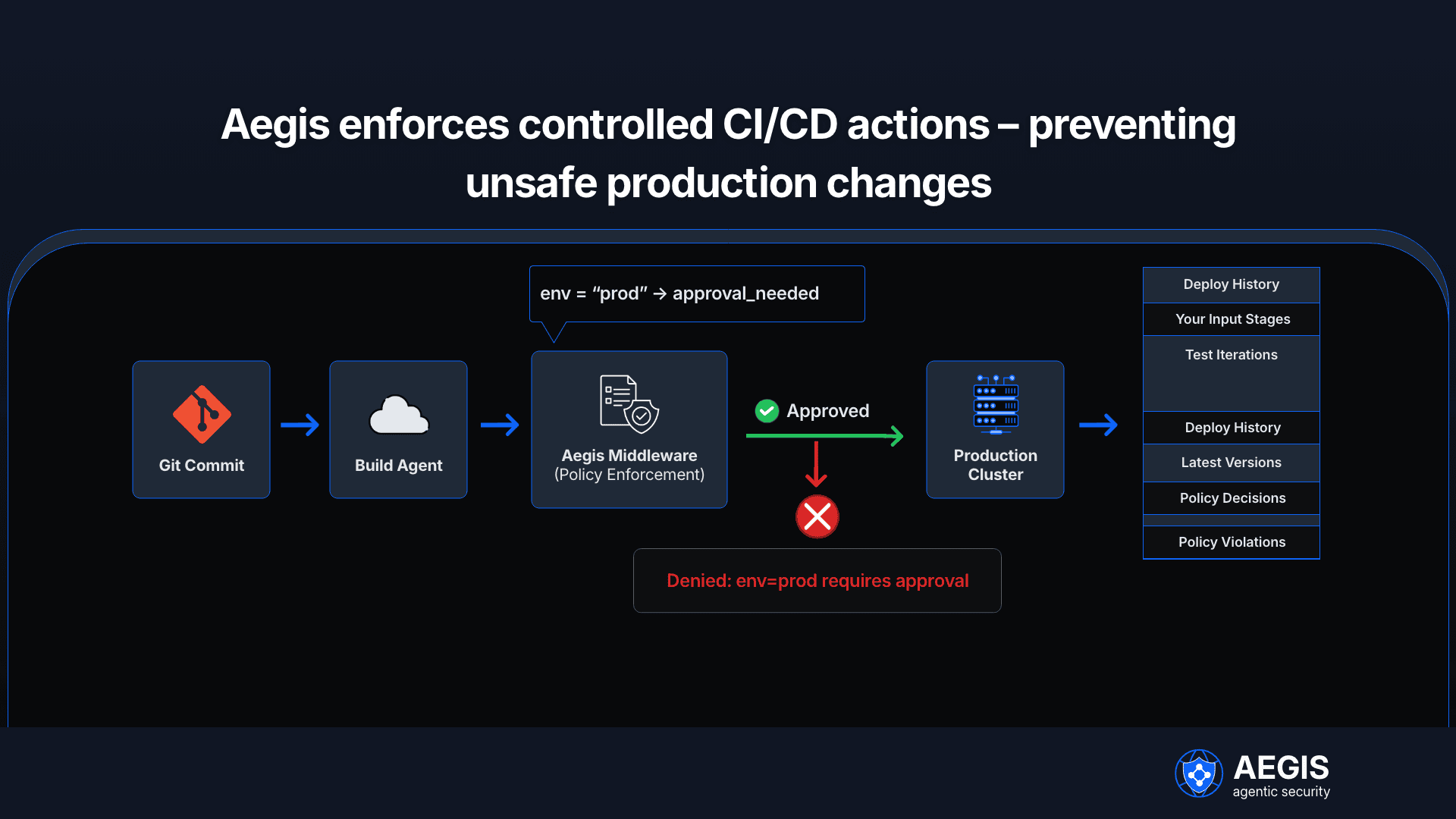
• Runtime enforcement modes: shadow, dry-run, enforce; and approval workflows for high-risk actions.
• OpenTelemetry-native telemetry: spans for every decision and structured logs for SIEM ingestion.
• Per-agent budgets, rate limits, parameter sanitization and DLP primitives.
Tactical example (payment flow)
- Finance agent calls payments API via Aegis with token agent_id=finance-agent.
- Aegis evaluates policy: allowed_tools: stripe-payments, action:create_payment, conditions: max_amount=5000.
- If amount > 5000 → decision: approval_needed; Aegis posts to human approvers and emits a span with approval_id.
- On approval, Aegis mints override token for a one-time retry.
KPI | Pilot Target |
Pilot → prod conversion rate | ≥ 50% |
Incidents per 1k agent calls | < 1 |
Policy violation rate (would-deny) | < 2% after tuning |
Cost per agent (daily) | Tracked; alerts at 2× expected baseline |
Roadmap and success metrics
A pragmatic rollout plan:
- Discovery (2–4 weeks): inventory orchestrators, critical tools, top-risk actions, and executive sponsor alignment.
- Pilot (4–6 weeks): integrate Aegis with 1–2 orchestrators and 2 high-risk connectors (payments, document store). Run policies in shadow mode.
- Staged enforcement (2–3 months): flip enforcement gradually, define SLOs and incident response playbooks.
- Scale (ongoing): add tenants, automate policy pipelines, and integrate FinOps reporting.
Measure success with these metrics:
• Pilot → production conversion rate.
• Incidents per 1k agent calls.
• Policy violation trend (would-deny → enforced).
• Mean time to remediation for policy misconfigurations.
• Cost per agent and cumulative spend vs. budget.
Comparison: Legacy vs Aegis approach
Area | Legacy approach | Aegis approach |
Identity | Static API keys per service | Short-lived agent tokens with claims |
Parameter checks | Local ad-hoc validation | Central policy-as-code with schemas |
Observability | Fragmented logs | OpenTelemetry spans per decision |
Human approvals | Email/adhoc | Integrated Slack/Teams approval flow |
Multi-tenant safety | Manual scoping | Tenant-scoped bundles & versioning |
Frequently Asked Questions
- How quickly can teams pilot Aegis?
- Typical pilot (1 orchestrator + 1–2 connectors) takes 4–6 weeks including shadow mode and dashboards.
- Typical pilot (1 orchestrator + 1–2 connectors) takes 4–6 weeks including shadow mode and dashboards.
- How do we avoid approval fatigue?
- Use thresholds and budgets to route only high-risk flows to humans. Tune policies in shadow mode to reduce noisy approvals.
- Use thresholds and budgets to route only high-risk flows to humans. Tune policies in shadow mode to reduce noisy approvals.
- Can we maintain low latency with runtime policy checks?
- Yes. Use prepared queries, in-memory caches, and small policy bodies to keep decision latency low (target P99 ≤ 20ms).
- Yes. Use prepared queries, in-memory caches, and small policy bodies to keep decision latency low (target P99 ≤ 20ms).
- How does Aegis support compliance audits?
- Aegis emits signed, tamper-evident audit trails for each decision that include policy version, agent_id and approval metadata.
- Aegis emits signed, tamper-evident audit trails for each decision that include policy version, agent_id and approval metadata.
- What KPIs should we track during rollout?
- Pilot→prod conversion, incidents per 1k calls, policy violation rate, and cost per agent.
- Pilot→prod conversion, incidents per 1k calls, policy violation rate, and cost per agent.
- Who should own policies?
- A cross-functional policy council (security, product, platform, legal) governs critical policies; day-to-day edits by platform engineers with change controls.
- A cross-functional policy council (security, product, platform, legal) governs critical policies; day-to-day edits by platform engineers with change controls.
Takeaways
Agentic AI promises productivity gains, but historical lessons show that technology alone won’t scale safely. The programmatic answer is combining organizational levers (sponsorship, squads, SLOs) with runtime controls—policy-as-code, identity, approval workflows, and telemetry. Platforms like Aegis provide the enforcement fabric and visibility required to reduce surprises, contain risk, and convert pilots into production outcomes.