
Comparing LangChain, LangGraph, LlamaIndex for Multi-Agent Orchestration
Compare chain, graph and vector-index agent orchestration approaches and see how Aegis ensures runtime security and governance.
Multi-Agent Orchestration: Chain, Graph & Vector-Index with Aegis Security
In enterprise AI deployments, picking the right orchestration architecture for autonomous agents matters more than ever. Whether you start with simple workflows or build a full matrix of cooperating agents, the decisions you make around orchestration—chain-based flows, graph architectures or retrieval-driven vector-index agents—impact latency, cost, complexity, governance and ultimately security. This article presents an architectural comparison, a practical selection guide and a hybrid deployment checklist. At its core we introduce how Aegis (from Aegissecurity) functions as a runtime policy and observability gateway across agent nodes, enabling safe, auditable multi-agent ecosystems. The audience: security engineers, DevOps leads, MSP/MSSP decision-makers.
Architectural patterns
Chain-based orchestration
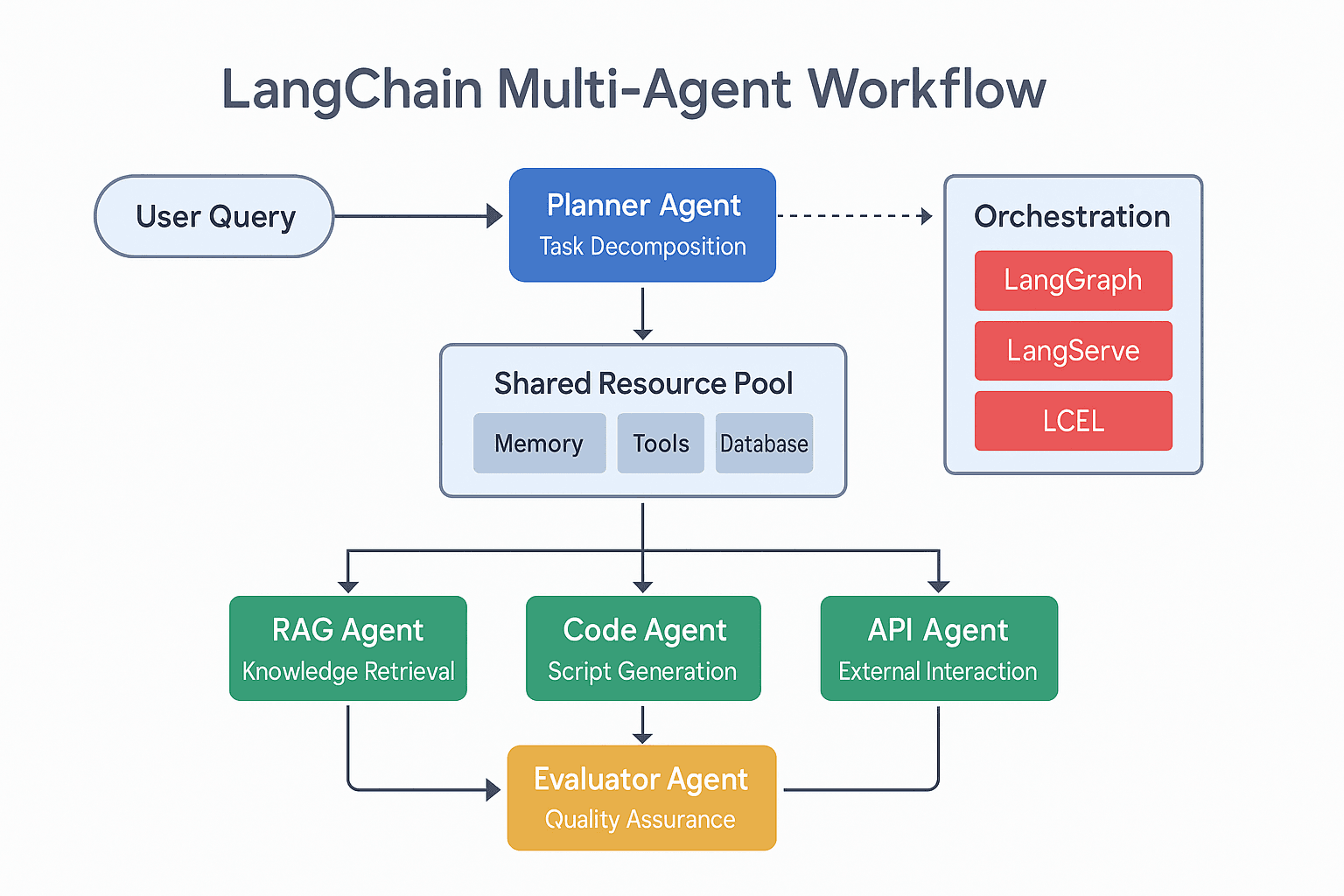
In a chain-based architecture, one agent call leads sequentially into the next: planner → tool call → verifier → result. This model excels at well-defined, linear workflows—e.g., summarise a document, extract fields, update a record. Because the flow is deterministic, observability (tracing each step) is straightforward and auditability is easier. As described by design-pattern guides, “Deterministic chain … well-defined tasks … static pipelines such as basic RAG.” (Databricks Documentation)
Advantages: simple to build, low cognitive overhead, fast proof-of-concept.
Disadvantages: brittle under branching logic, limited adaptability, scaling and state-management become difficult.
Graph-based orchestration
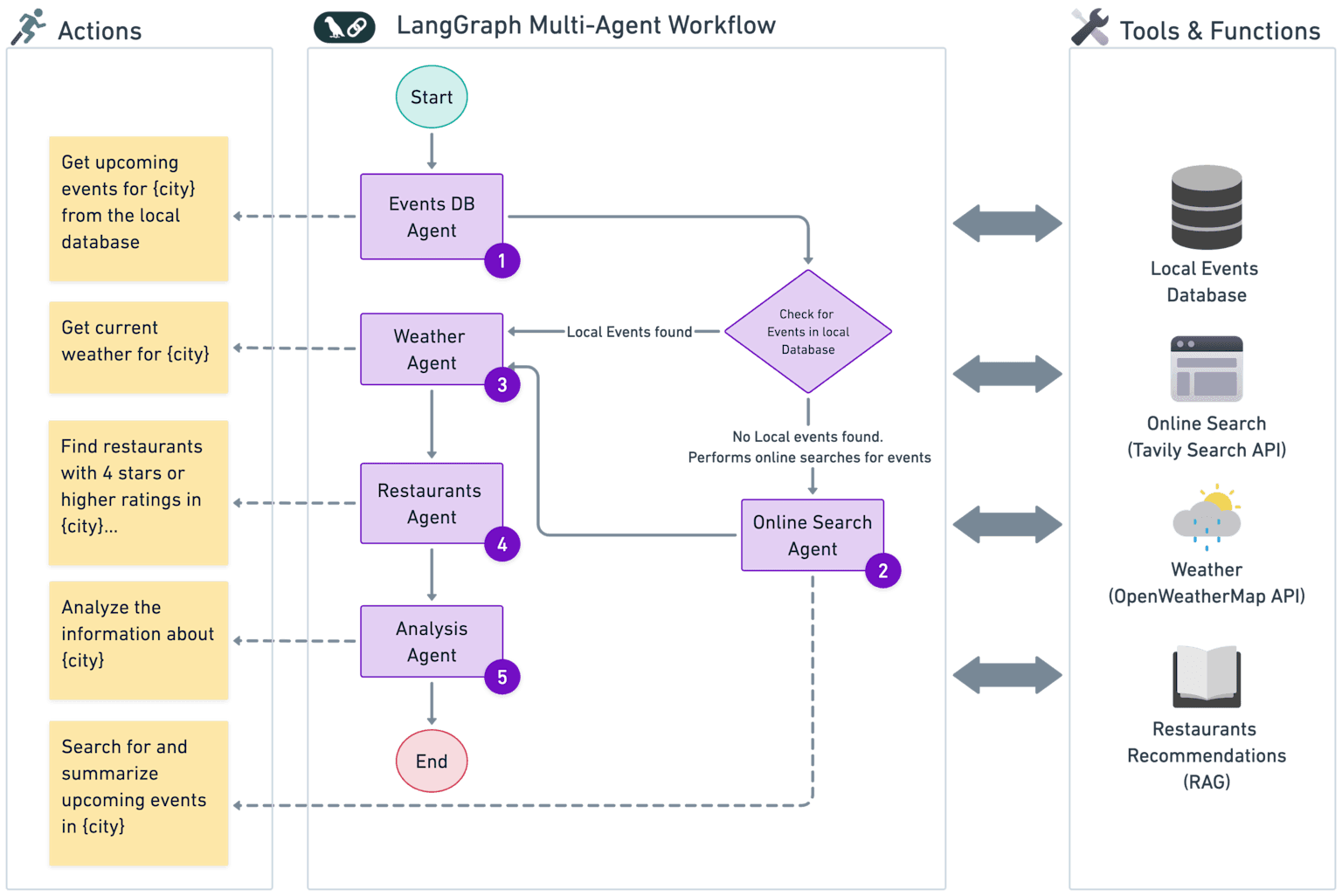
Graph-based architectures model agents/components as nodes, and messages or decisions as edges. This supports loops, branching, parallel execution, stateful workflows and long-running processes. One article describes frameworks like LangGraph where “nodes represent agents/components; edges represent messages — suited for complex, stateful workflows.” (Medium)
Advantages: flexible, scalable horizontally, supports multi-agent coordination.
Disadvantages: higher complexity in routing, state persistence required, tracing becomes harder, debugging more challenging.
👉🏻 Unlock collaborative workflows where multiple agents work as one
.png&w=3840&q=75)
Vector-index (retrieval-first) approach
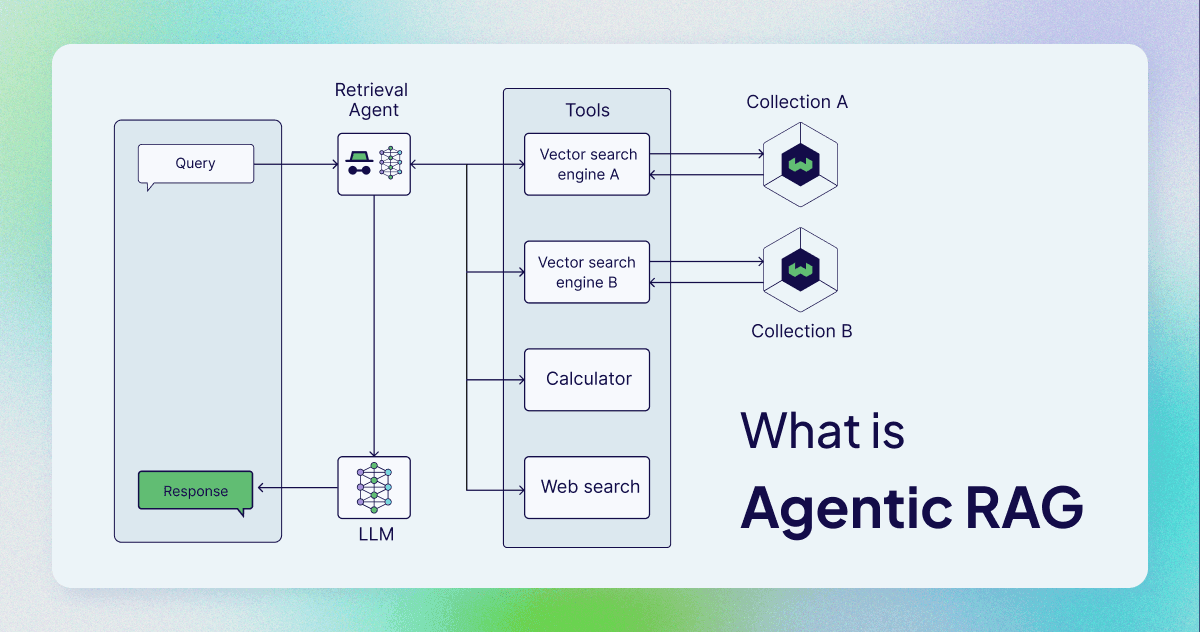
In this architecture, retrieval drives the agent’s decision: the agent queries a vector store or index to fetch relevant context or evidence (RAG), then executes tool calls or passes results into a graph. In effect, the architecture is “index-first” rather than tool-chain first. This suits domains heavy on evidence-based responses. According to patterns: “Vector-index + graph enables retrieval-driven agents to fetch domain data at decision points.” (Medium)
Advantages: grounded in knowledge, support for domain data, more accurate responses.
Disadvantages: indexing overhead, retrieval latency, higher cost, increased architectural complexity when paired with orchestration.
👉🏻 Build smarter agents with efficient memory and state management
Tradeoffs and selection guide
Cost, latency and scalability
Let’s compare key criteria across the architectures:
Architecture | Latency | Cost | Complexity | Safety/Governance |
Chain | Low (< few calls) | Low | Low | Easier to audit |
Graph | Variable (parallel possible) | Medium–High | High | Harder to trace, stateful |
Vector-Index | Depends on retrieval round | Medium–High | Medium–High | Grounded responses but needs governance |
Latency: Chains minimise round trips; Graphs allow parallelism but routing overhead; Vector-index adds retrieval latency.
Cost: Graph and retrieval approaches invoke more LLM/tool calls and storage.
Security/governance: Chains are predictable; Graphs require cross-node delegation and state tracking; Retrieval agents must enforce evidence quality and data access controls.
Consider two sub-criteria:
Cost
Graph or vector-index systems often consume more tokens, orchestration overhead and storage; chain-based are cheaper for narrow tasks.
Security
With graph and retrieval systems you must enforce per-node policies, cross-node delegation checks and trace correlation IDs. Observability is more challenging but critical. As one guide notes: “Observability is easier in chains; tracing in graphs needs strong correlation IDs.” (Medium)
Hybrid example and deployment checklist
A hybrid architecture often makes sense: use a chain for initial task orchestration, embed retrieval nodes for grounding data, and wrap everything in a graph for scale. For example: orchestrator → planner node → retriever (vector) → executor node → audit/verification node. At each boundary enforce security via Aegis (see next section).
Deployment checklist:
Step | Action |
Prototype | Build chain-based flow for MVP |
Metrics | Define latency, token cost, decision accuracy |
Retrieval integration | Add vector store and retrieval node if needed |
Orchestration upgrade | Transition to graph-model if domain dictates |
Runtime security | Insert policy/approval gateway per node |
Observability | Trace each agent call, tool invocation, timing |
Governance & audits | Retain decision trace, maintain versioned policies |
How Aegis supports runtime security
Runtime policy mesh & agent governance
Aegis is a runtime policy and observability mesh that sits across agent-node boundaries. When you deploy multi-agent orchestration, each node (planner, retriever, executor, etc.) becomes a potential risk surface: parameter injection, uncontrolled tool use, lateral privilege escalation and cost runaway. Aegis intervenes by enforcing least-privilege policies, approval flows and structured telemetry for each agent node.
Enforcement architecture
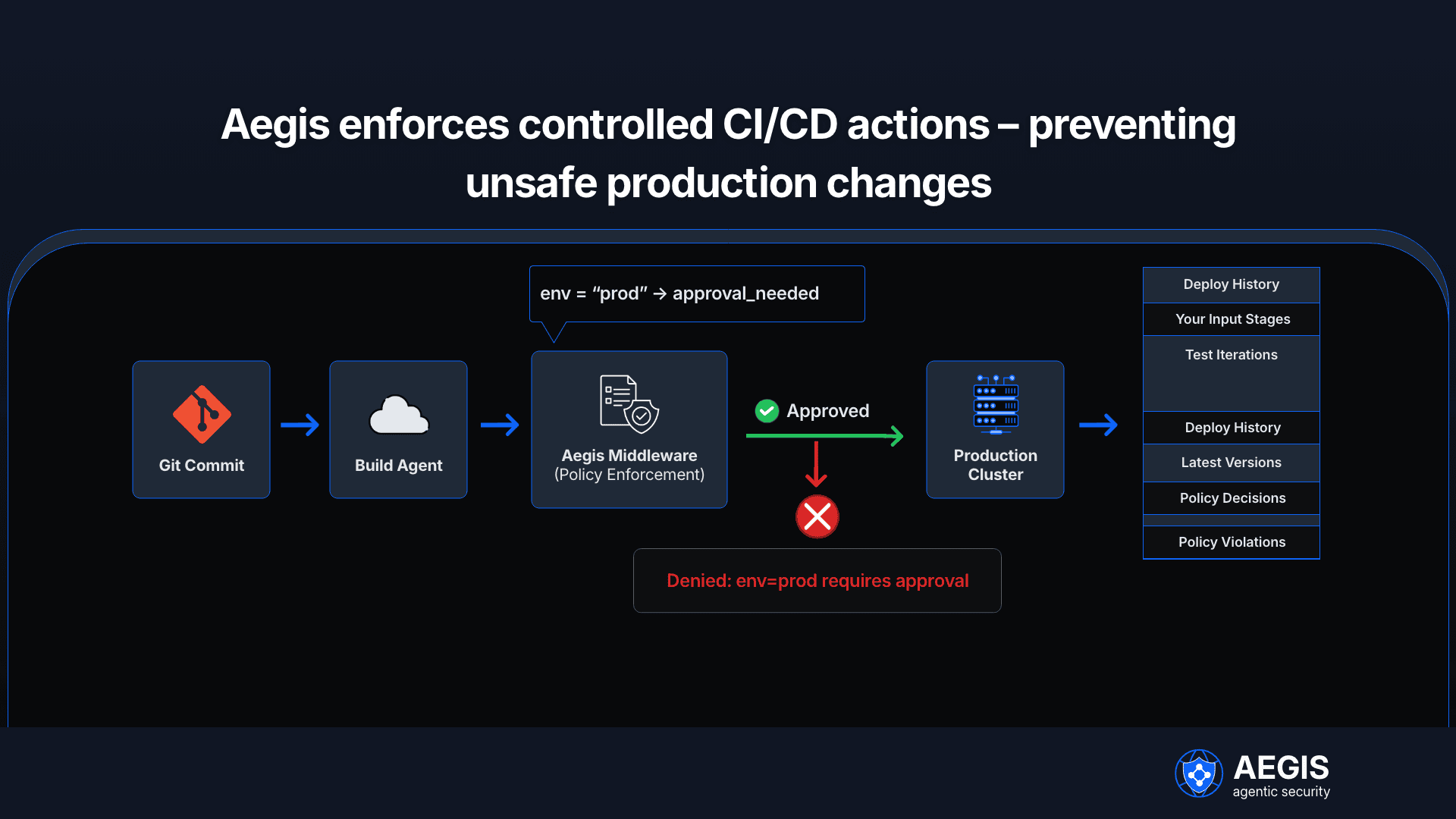
- At each agent node boundary, a proxy/sidecar intercepts tool invocation.
- The sidecar calls a decision engine governed by policies (allow/deny, high-risk approval) bound to agent_id, tenant_id and policy_version.
- For nodes invoking retrieval or tool calls, Aegis inspects parameters, applies schema validation and DLP.
- If a policy flags an action as high risk, the flow triggers a human approval (over Slack/Teams/email) and logs an override token once approved.
- Telemetry spans include agent_id, node_type, tool_name, decision outcome, latency and cost.
This runtime mesh ensures that no agent node can act beyond its scope without logged, auditable control.
Observability, governance & auditing
With complex orchestrations (graph + retrieval), trace correlation is crucial. Aegis emits structured JSON logs, OpenTelemetry spans, and tags each decision with policy_version, agent_id and tool invocation metadata. Dashboards surface blocked actions, budget usage, high-latency nodes and rogue agents. For regulated industries (e.g., finance, healthcare) these trails satisfy audit requirements.
Aegis also supports multi-tenant isolation: policy bundles are scoped by tenant_id, agent_id, so orchestration across business units remains safe and compliant.
👉🏻 Model complex agent relationships using graph databases
How to deploy Aegis in your stack
- Define each agent node (planner, retriever, executor) and tag with agent_id.
- Author minimal policies (YAML/JSON) per node: tools allowed, parameter constraints, approval thresholds.
- Insert proxy/sidecar at each node boundary or use middleware.
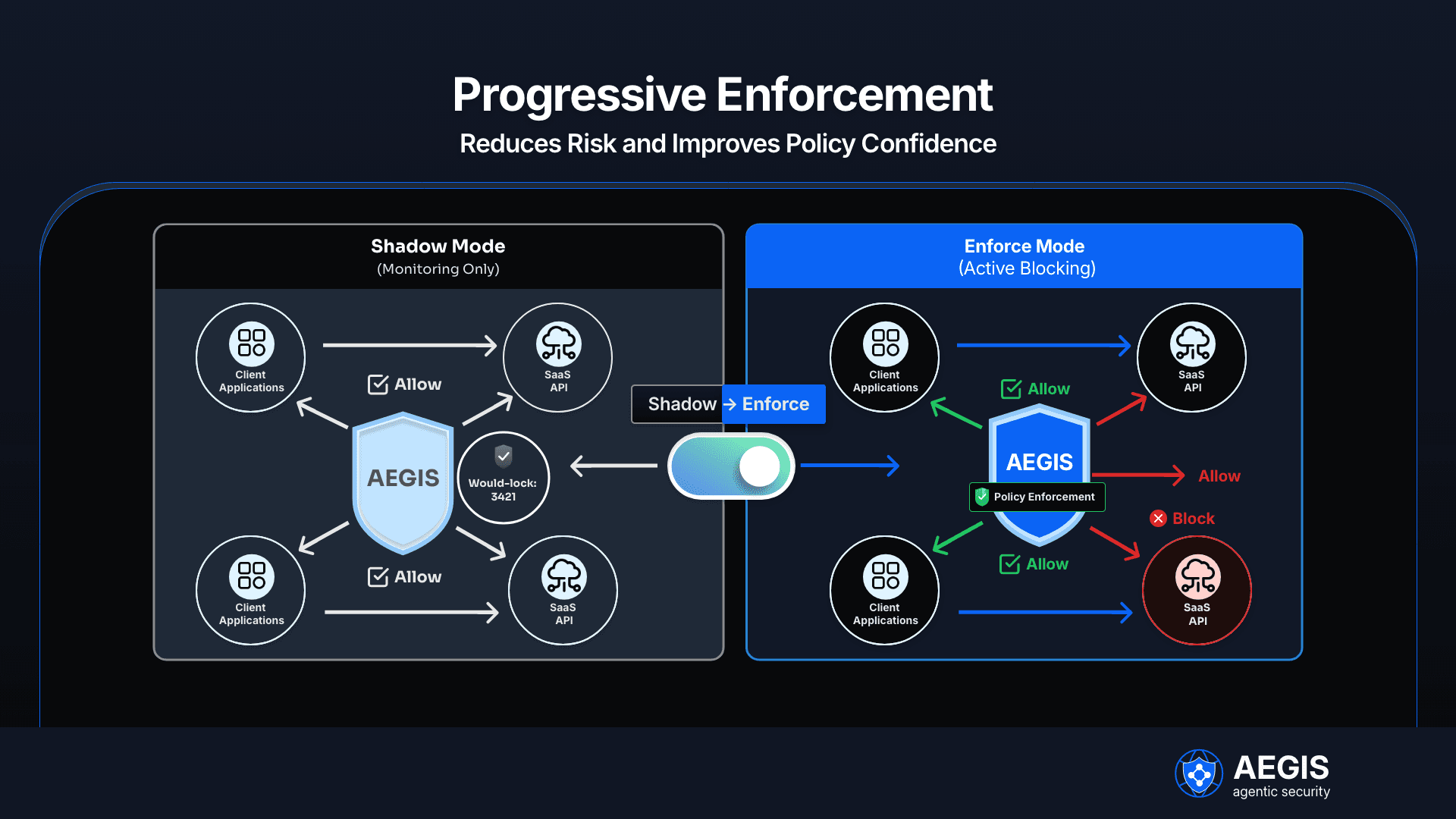
- Enable shadow/dry-run mode for 1–2 weeks, collect would-deny telemetry, tune policies.
- Flip enforcement on. Monitor latency (target P99 ≤ 20 ms for decision engine), cost per node, policy hits and budget thresholds.
Integrate dashboards for visibility across the orchestrator → node network.
This aligns runtime security with the architecture you selected above.
Summary
Choosing the right orchestration pattern—chain, graph or vector-index—depends on your domain's complexity, scale and governance needs. If you’re handling simple flows, start with a chain; if business logic branches and state escalate, shift into a graph; if domain knowledge and evidence drive responses, leverage retrieval-first vector-index patterns. Across any architecture, a runtime policy/observability mesh is non-optional when you deploy agents in production. Aegis addresses this gap by enforcing per-node policies, tracing tool invocations, managing approvals and ensuring multi-tenant safe operations.
Frequently Asked Questions
Q1: When should I move from a chain-based to a graph-based architecture?
If your workflows start branching, nodes need persistent state, you require parallel execution or multiple agents must coordinate, that’s the signal to migrate. Chains serve well for early MVPs.
Q2: How do I manage cost in graph or retrieval-based systems?
Track token usage, tool invocation counts, node latency and budget thresholds. Use Aegis to enforce per-agent cost caps and stop runaway calls.
Q3: How does retrieval-first architecture improve answer accuracy?
By grounding LLM responses in indexed context, you reduce hallucinations and improve domain relevance. But you pay the retrieval latency and indexing cost.
Q4: How do I trace a failure across a multi-agent graph?
Ensure each node emits a trace/span with correlation_id linking trees of execution. Aegis’s observability mesh ties agent_id → node → tool call → decision.
Q5: Can I enforce human-in-loop reviews in agent orchestration?
Yes. In graph or retrieval systems especially you can place approval nodes. Aegis supports approval triggers—agents pause until a human approves, then proceed with override tokens.
Q6: What governance mechanisms should I include for production?
Versioned policies, audit logs, per-tenant isolation, schema-validated tool inputs, DLP redaction, cost budgeting and role-based agent IDs. Runtime enforcement must be built in, not just design time.
With the right orchestration architecture, rigorous governance and a runtime security mesh like Aegis, you’re well positioned to deploy multi-agent systems that are scalable, auditable and safe.