Autonomous Agents in Customer Support: Reducing Response Times
How Aegis enforces safe, auditable runtime policies for agentic customer support—speed without PII leaks or destructive actions.
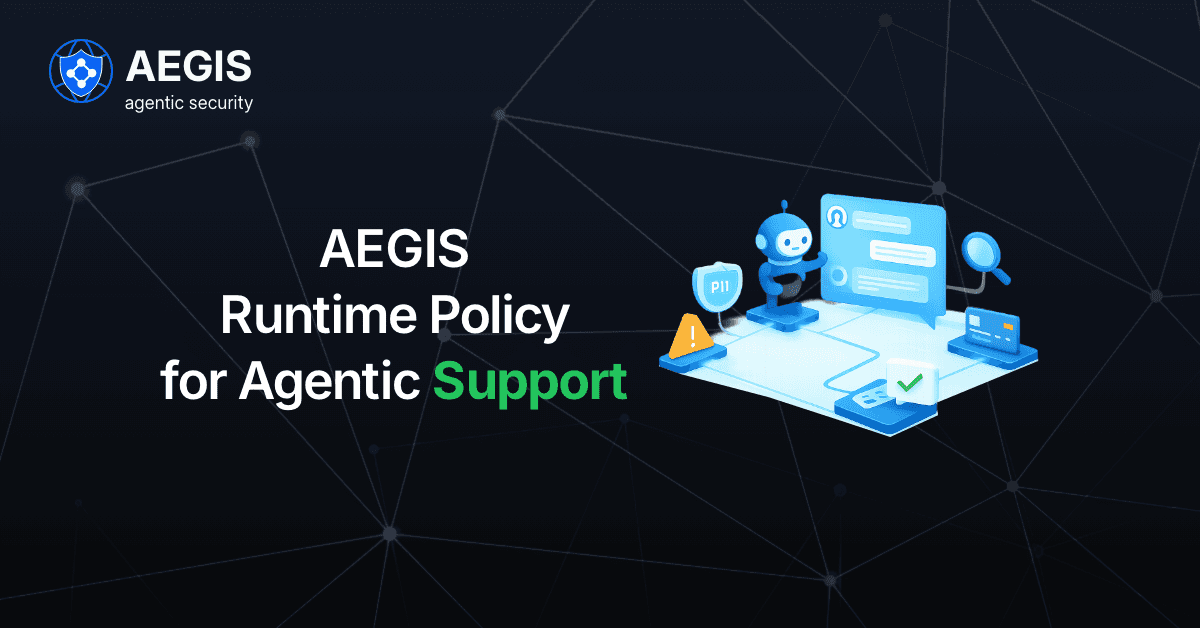
Aegis: Runtime Policy for Agentic Customer Support
Customer support teams experiment with autonomous agents to reduce first-response times, but the risk surface increases: PII leakage, unauthorized refunds, and destructive actions. This article explains the tradeoff between speed and safety, defines concrete policy primitives you can apply to support workflows, and describes Aegis — Aegissecurity runtime enforcement gateway that sits between orchestrators and tools to enforce least-privilege, DLP, and human approvals with full telemetry. Portions of this post draw on the Aegis technical brief and MVP spec.
Speed vs. safety in autonomous support
Autonomous agents lower latency by automating triage, knowledge lookups, and simple remediation (password resets, status checks). Industry studies show organizations are actively piloting agentic systems: recent surveys report significant pilot activity and growing scaling intent. Twenty-three percent of respondents report scaling agentic systems and large fractions are experimenting. (McKinsey & Company)
At the same time, surveys highlight security and governance as top barriers: unintended or unauthorized actions by agents are common without runtime controls—unauthorized data access, outbound leaks, and improper payments are reported at nontrivial rates. Governance and identity-first controls are repeatedly recommended. (TechRadar)
For support teams the typical failure modes are:
- Posting customer PII to a public Slack channel.
- Initiating a refund without customer consent or exceeding policy limits.
- Copy/paste workflows that manually remove PII but are error-prone and unobserved.
Aegis’s goal is simple: preserve the latency and automation benefits while preventing those failure modes through runtime, per-call enforcement, redaction, and approvals.
👉🏻 Deliver faster IT resolutions with intelligent service desk automation
Policy primitives for support (action → policy)
Policies for support workflows should be small, explicit, and evaluable at runtime. Below is a compact mapping you can use as a starter.
Table 1 — Policy primitives and examples
Action | Policy primitive | Example |
Post message to channel | channel_allowlist + hours | allow if channel in [#support,#billing] and time ∈ business_hours |
Return user data | redact_fields(DLP) | redact ssn, dob, full_name from payload before outbound |
Initiate refund | threshold + approval_needed | allow if amount ≤ 50; approval_needed if 50 < amount ≤ 500; deny if > 500 |
Access CRM record | tenant_scope + purpose | allow read if tenant_id matches and purpose in {support,investigation} |
These primitives are intentionally simple but composable (allow/deny/sanitize/approval_needed). Implement them as policy-as-code (YAML → OPA/Rego bundles) and hot-reloadable for rapid iteration. (openpolicyagent.org)
How these primitives map to measurable metrics
A successful runtime policy improves safety metrics without erasing automation gains. Key metrics to track:
- First Response Time (FRT) — target: down by ≥50% in automated triage paths. Real deployments report major reductions (case studies show sub-minute first responses when automations are applied). (usepylon.com)
- CSAT for automated interactions — track “automation false positive” rates when approval_needed blocks a valid action.
- Policy Decisions: allow / deny / sanitize / approval_needed split — should converge to a high allow rate after shadow tuning.
- Incident Reduction — reduction in PII exposure incidents and unauthorized transactions.
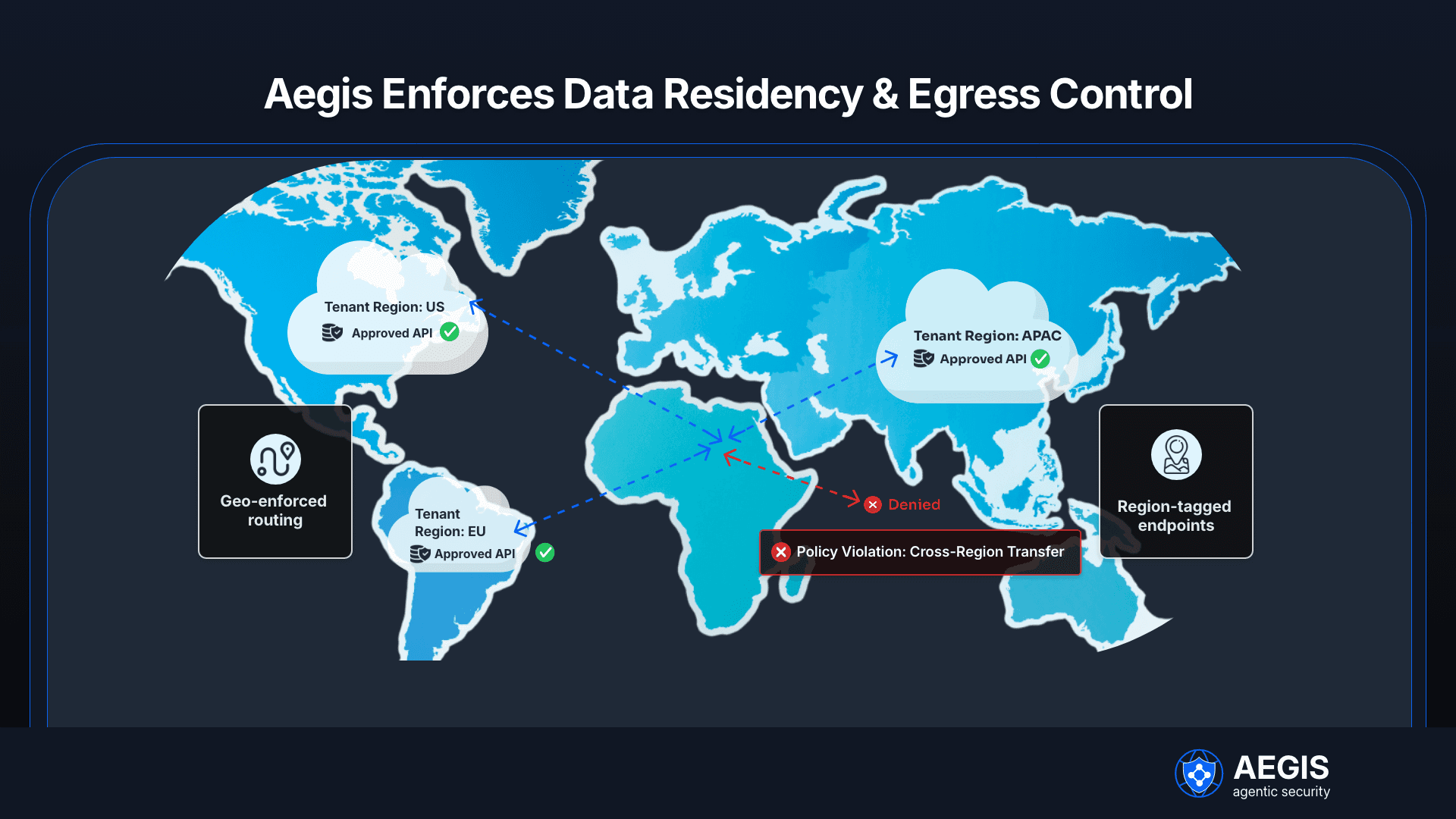
Table 2 — Example KPI targets (pilot → 6 months)
KPI | Pilot (shadow) | Post-enforcement (6mo) |
FRT (seconds) | 30–300 | < 60 |
Approval rate (human interventions) | 15% | 3–5% |
PII exposure incidents / month | baseline | -75% |
Policy eval latency (P99) | — | ≤ 20 ms (target) |
Aegis is designed to meet these targets by running policies in shadow mode (collect would-deny telemetry) and then flipping to enforce.
👉🏻 Make enterprise knowledge instantly accessible with agent-driven search
Aegis in practice — runtime enforcement for support
Aegis is a runtime gateway that enforces per-agent identity, inspects outbound calls, applies DLP redaction, and triggers human approvals for risky operations. Architecturally it sits between orchestrators (LangGraph, AgentKit, LangChain) and downstream tools (CRMs, payment gateways, Slack). Key capabilities:
- Agent identity & scoped tokens — short-lived JWTs identify agent, tenant, and scopes so Aegis can tie each decision to an identity.
- Policy-as-code — security teams author policies in YAML/JSON; Aegis compiles these into OPA bundles for fast evaluation and hot reload.
- Decision outcomes — allow / deny / sanitize (redact) / approval_needed with structured reasons and policy_version in telemetry.
- Approval workflow — when approval_needed is returned, Aegis posts an interactive request to Slack/Teams; upon human approval an override token allows a single retry.
Practical support workflow example:
- Support agent (agent_id = support-bot) proposes a refund of $120.
- Orchestrator routes the tool call through Aegis. The gateway evaluates policy: threshold=50 → approval_needed for 50–500.
- Aegis sends an approval card to approvers; decision and span emitted to OpenTelemetry with policy_version and approval_id. Upon approval, the client retries with an override token and the refund proceeds.
This flow prevents unauthorized refunds, creates an auditable trail for compliance, and provides a clear reason when actions are blocked. Implementation notes and an MVP spec exist in the Aegis brief.
👉🏻 Boost sales productivity with AI agents that generate leads and quotes automatically
Implementation considerations & observability
To operate at production scale for support workloads, prioritize:
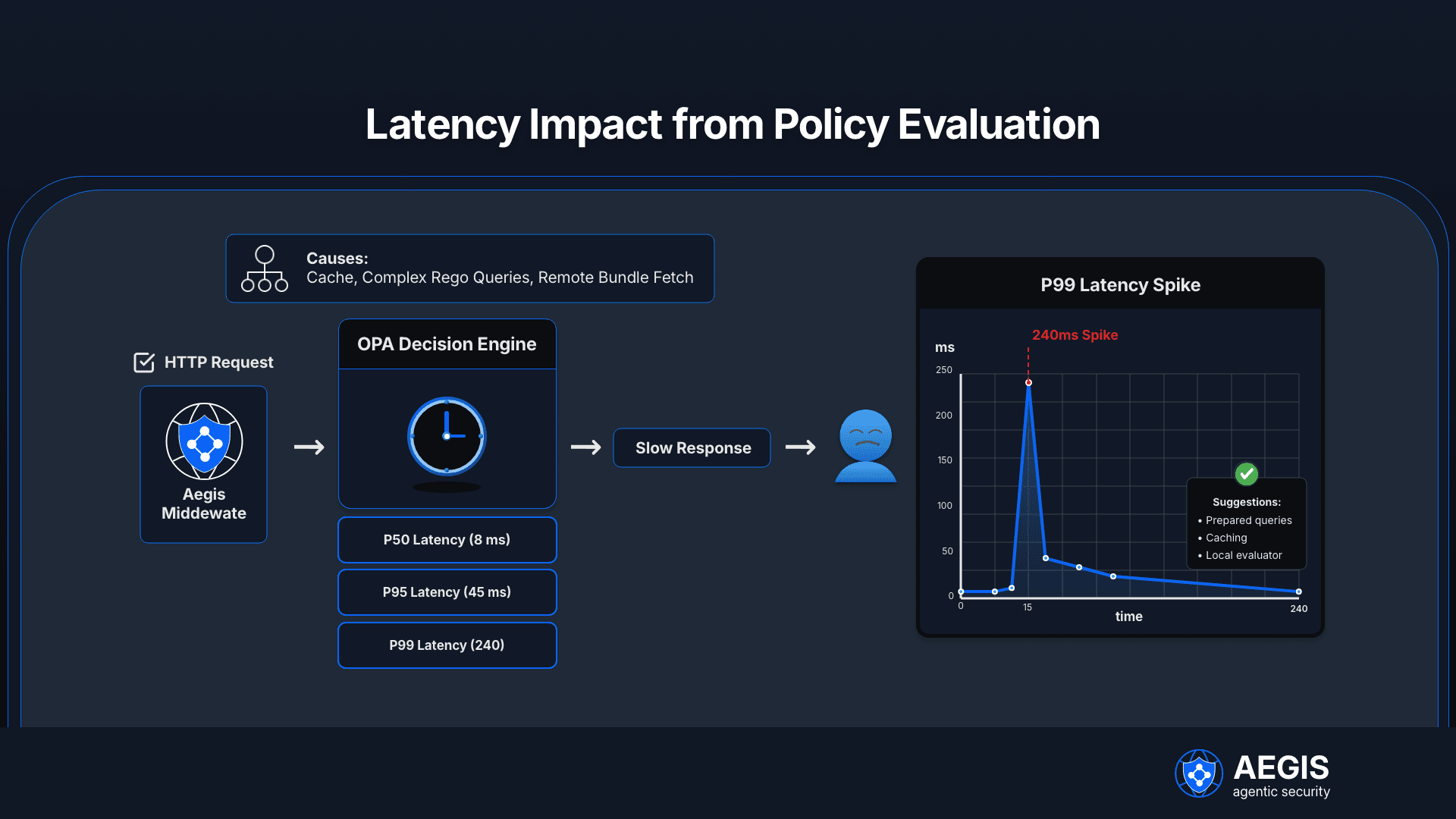
- P99 latency: policy eval and proxy overhead must be low (target ≤ 20 ms P99). Use prepared queries, caches, and WASM compilation when needed.
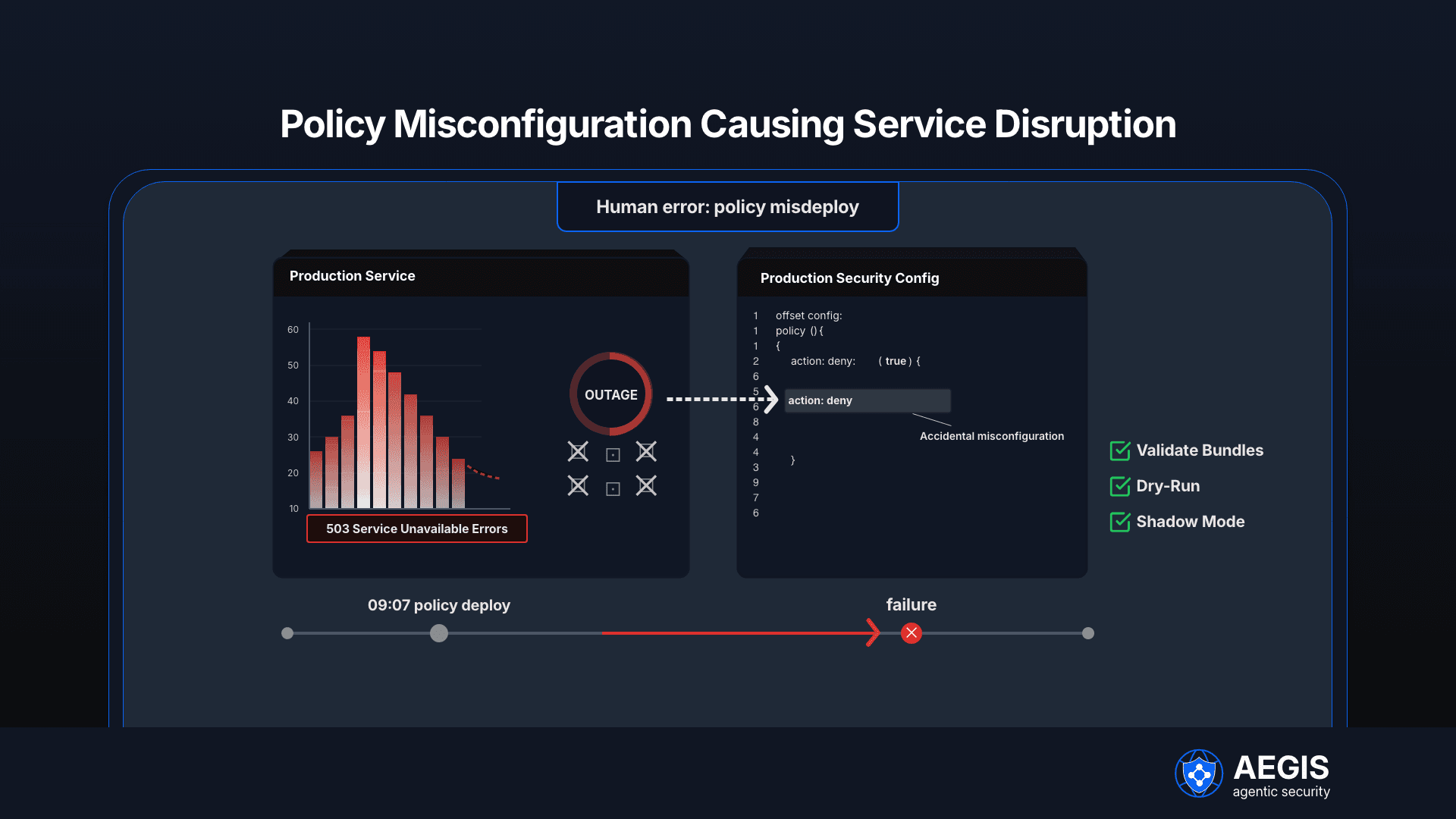
- Shadow rollout: run policies in shadow mode for 7–14 days to collect would-deny events and tune regex/DLP.
- Telemetry: emit OpenTelemetry spans and structured logs (agent_id, tool, decision, policy_version, approval_id) so SOC and FinOps teams can reconstruct incidents and cost. (openpolicyagent.org)
Operational playbook: sample policies & guardrails
- Business hours guard: block or approval_needed for public posts outside defined hours.
- PII redaction: deterministic regex-based redaction for SSN, email, phone; sanitize outputs for public channels.
- Per-agent budgets: stop LLM calls once daily budget exhausted to avoid runaway costs.
- Parent-agent chain validation: require parent_agent_id header and validate it to prevent lateral coercion by planner agents.
Legacy controls vs. runtime policy gateway
Legacy approaches (broad API keys, app-level validation, manual redaction) fail for multi-agent scale. Runtime gateways provide per-call enforcement, auditability and fine-grained parameter checks.
Dimension | Legacy (API keys / app-level) | Aegis runtime gateway |
Granularity | Coarse (app-level) | Per-agent, per-call, per-field |
DLP | Manual or after-the-fact | Deterministic redact / sanitize inline |
Approvals | Ad-hoc | Integrated approval workflow (Slack/Teams) |
Audit trail | Limited | Signed spans & policy_version in telemetry |
Scalability | Breaks at multi-agent scale | Designed for 10k RPS per region (scale horizontally) |
Integrations & links
For policy engine foundations and community tooling, Open Policy Agent is the de facto open source engine used in similar architectures. (openpolicyagent.org) For market context on agentic AI adoption and risk tradeoffs, see industry reports and analyst commentary. (McKinsey & Company)
Frequently Asked Questions
Q: Can Aegis redact PII deterministically?
A: Yes. Aegis runs deterministic regex-based DLP at the gateway to redact SSNs, emails, phone numbers from outbound payloads or messages before they reach public channels.
Q: How does Aegis avoid approval overload?
A: Policies include thresholds, rate limits, and budgets to reduce low-value approvals. Approval routing and one-time override tokens limit human overhead; shadow mode lets teams tune policies before enforcement.
Q: What telemetry does Aegis emit for audits?
A: Structured OpenTelemetry spans with agent_id, tool, decision, reason, policy_version and approval_id. Logs are SIEM-ready and can be signed for tamper resistance.
Q: Will Aegis add latency to interactive support bots?
A: There is overhead, but the architecture targets P99 decision latency ≤ 20 ms via prepared OPA queries, caching and optional WASM compilation. Shadow rollout helps measure real-world impact before enforcing.
Q: Does Aegis lock you into a vendor or orchestrator?
A: No — Aegis is designed to be orchestrator-agnostic and expose SDKs/middleware for common orchestrators. Policies are published as bundles and hot-reloaded.
Next steps for engineering teams
- Run policies in shadow mode for 1–2 weeks to collect would-deny events and refine regex/DLP.
- Start with high-value, low-risk flows (knowledge-base triage, sanitized outbound posts).
- Add approval paths for payment/refund actions and instrument OpenTelemetry traces for every step.
- Iterate on policy coverage and low-latency caching to meet P99 targets.
Runtime enforcement is the pragmatic path to scale agentic customer support: it preserves automation gains while giving security, compliance, and FinOps teams a tool they can reason about and audit. Aegis implements that runtime layer — policy-as-code, DLP, approvals, and telemetry — so teams can move faster without moving unsafely.