
Agentic AI and the Metaverse: Emerging Opportunities
How runtime policy, DLP and approvals stop agent-driven fraud, data leakage and unsafe actions in virtual worlds.
Agentic AI in the Metaverse: Why Governance Matters and How Aegis Enforces It
The metaverse is no longer just a demo: persistent virtual worlds are rapidly adding commerce, identity, and automated actors that act on behalf of users. Those agentic actors—autonomous avatars, NPCs, marketplace agents, event managers—bring huge value but also new classes of operational and compliance risk. This article explains why the metaverse needs runtime governance, contrasts legacy rule models with agentic controls, outlines commercial use cases and safety concerns, and describes how Aegis (Aegissecurity) functions as a control plane for agent actions with concrete examples and operational guidance. (Product details and use cases referenced from the Aegis specification and use-case corpus.)
Why the Metaverse Needs Agentic AI Governance
Virtual environments combine persistent identity, real-money transactions, and cross-tenant interactions. Agents that execute on behalf of users can:
• perform payments and escrow operations,
• manage marketplace listings and transfers,
• mediate disputes with external APIs, and
• deliver automated customer support or moderation.
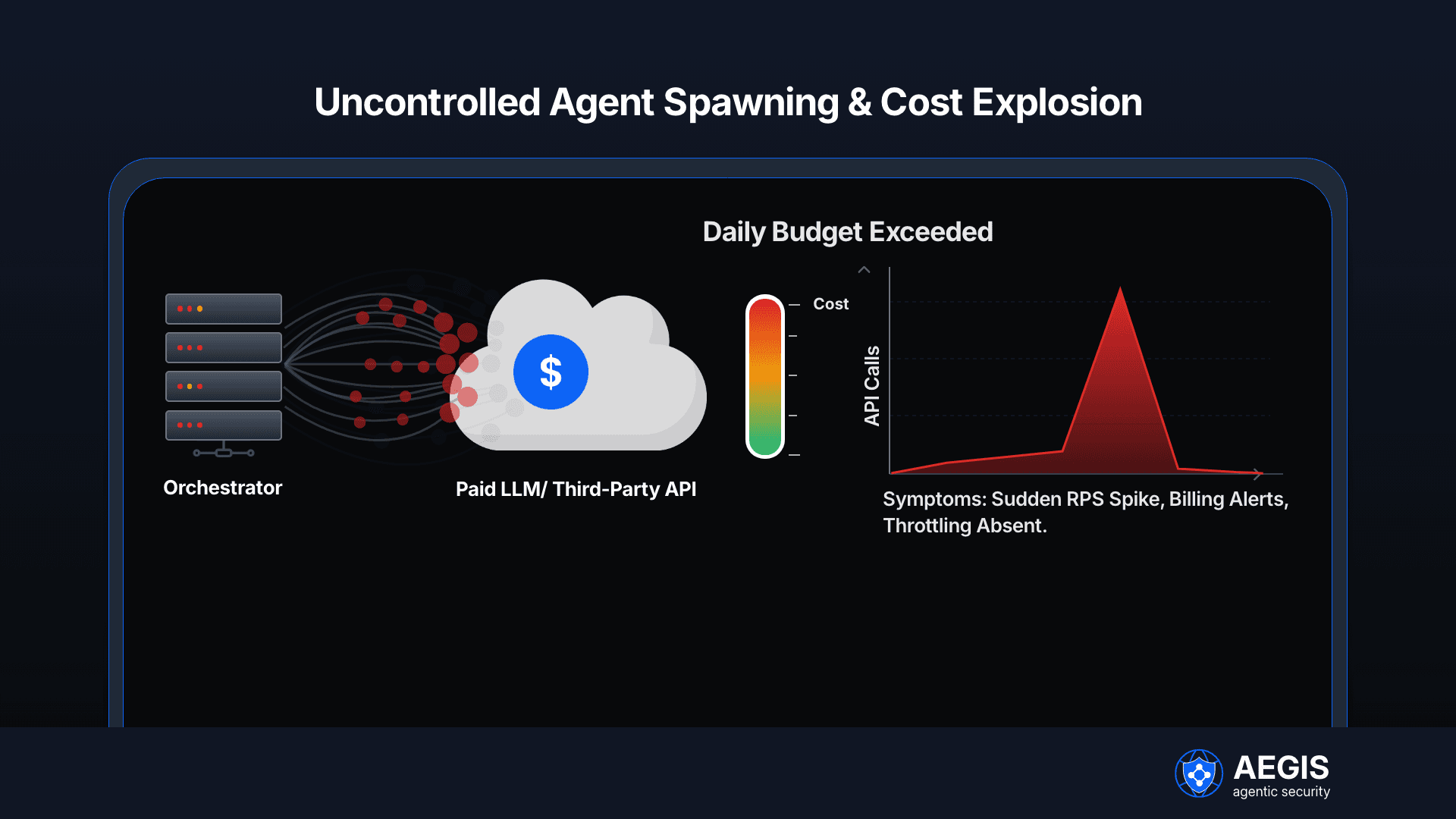
Left unchecked, a malicious or misconfigured agent can cause fraud, unintentionally leak PII/PHI, create content liability, or create cross-tenant escalations. Unlike standard services, agents compose tools and prompts at runtime—their actions depend on parameters that must be evaluated in context. Traditional IAM only says who can call an API; it does not decide whether the call’s parameters, chain of calls, or destination are permitted in a given tenant or regional scope. The result is a governance gap unique to agentic systems.
👉🏻 Reimagine search and content discovery with the power of agentic AI
Old Models vs Agentic Virtual Agents
Static rules and manual moderation (the old way)
Legacy systems rely on static NPC rule tables, offline moderation queues, and periodic audits. These approaches assume discrete, human-reviewed events and fail when agents generate high-volume automated transactions or when contextual parameter checks are required (for example, redacting SSNs embedded in a chat message).
Runtime policy and observability (the new way)
Agentic systems require a runtime enforcement layer that inspects agent→tool calls, evaluates policies with parameter-level conditions, supports actions like sanitize/approval_needed, and emits tamper-evident telemetry for audits. This pattern is equivalent to "Istio + OPA for agents": a lightweight gateway between orchestrators and tools that enforces least privilege, prevents cross-agent coercion, and enables human-in-the-loop approvals when necessary. Aegis implements this pattern as a policy + observability fabric for multi-agent architectures.
👉🏻 Balance innovation and governance to scale AI agents responsibly
Commercial Use Cases
Virtual concierge & commerce
A hotel concierge agent in a virtual mall can book tickets, charge cards, and purchase NFTs. Policies should enforce per-agent payment ceilings, require human approval for transfers above thresholds, and redact PII in chat transcripts before logging or broadcasting.
Marketplace mediators
Automated marketplace mediators may be asked to transfer assets across tenants. A runtime policy can deny cross-tenant transfers unless escrow conditions are present, or require multi-party approvals recorded in the audit trail.
Automated event managers & dynamic NPCs
Agents that orchestrate large events must be rate-limited, must not send promotional messages outside approved hours, and must redact attendee personal data when posting summaries to public channels.
DevOps automation in virtual infrastructure
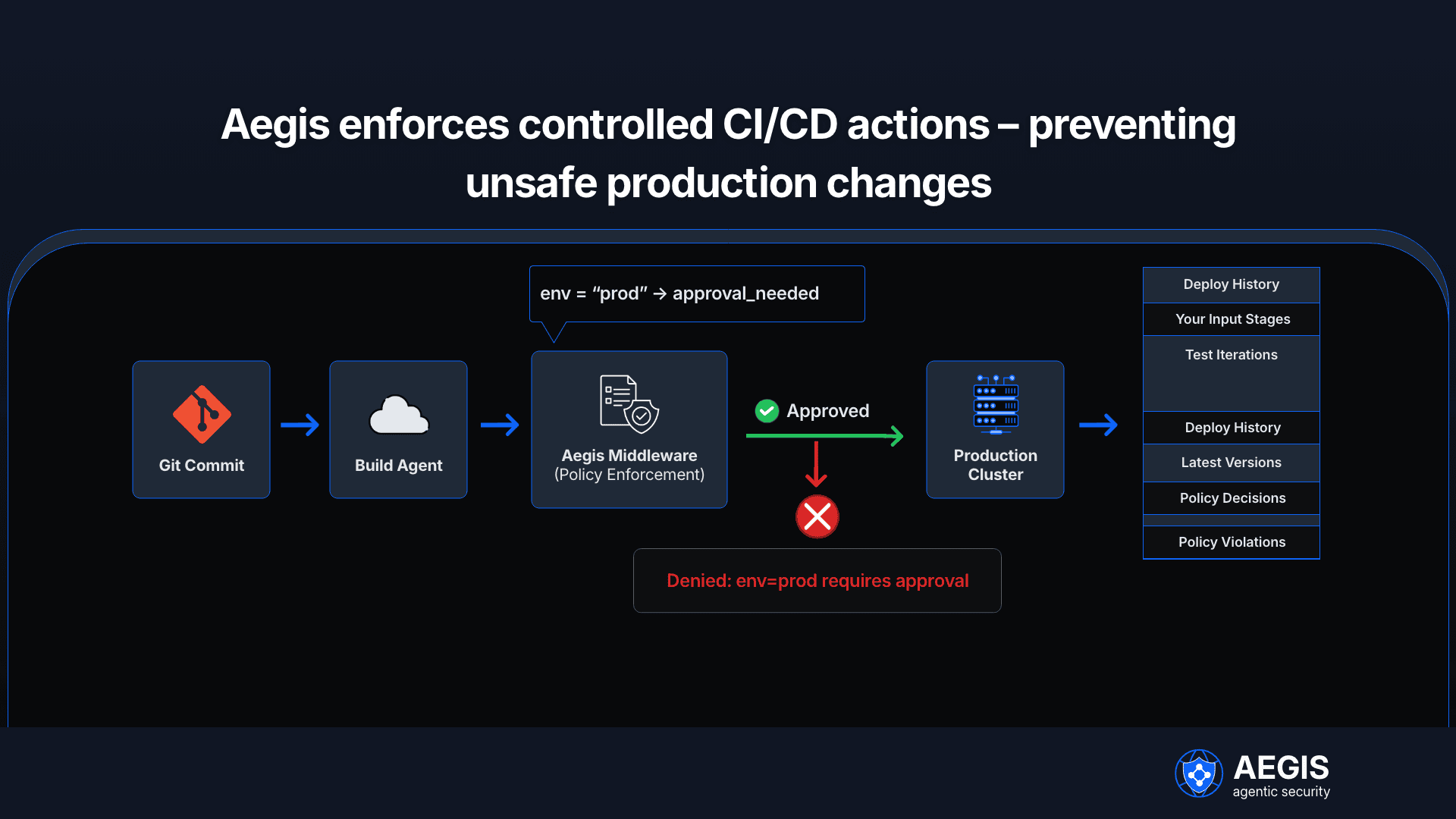
Agents that adjust virtual-world infrastructure (scaling, deployments, item provenance updates) must be gated: production deploys require signed approvals and image-digest whitelists to prevent supply-chain risks.
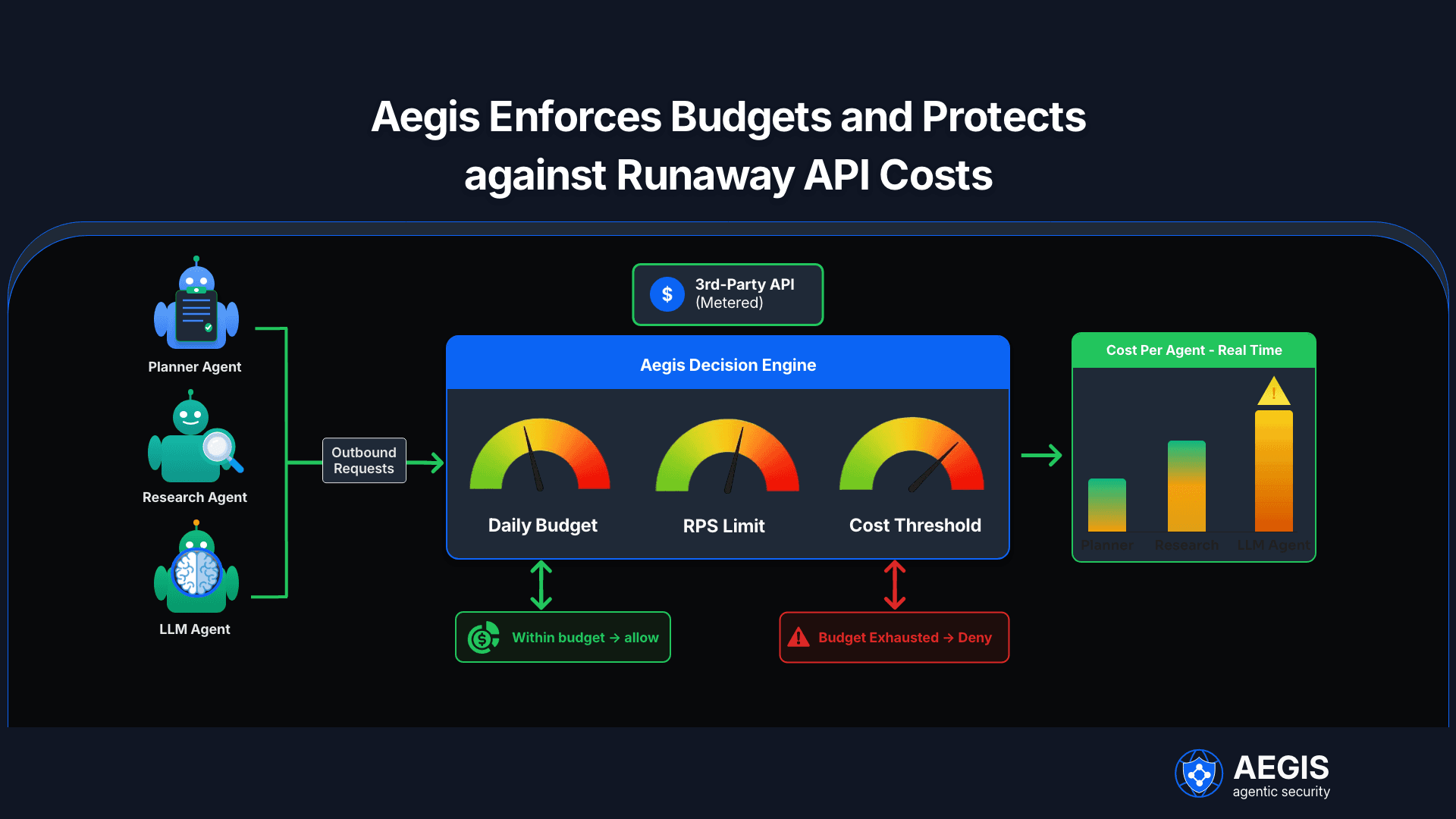
Each of these use cases benefits from: per-agent budgets and rate limits; parameterized policy checks (amount ranges, regexes for IDs); PII/PHI deterministic redaction; and auditable, signed telemetry linking agent identity, policy version, and decision reason.
Safety, Moderation, and Compliance
Agentic interactions raise regulatory and safety questions: jurisdictional data residency, content liability for generated text, and privacy when agents access EHR or payment systems. Practical mitigations include:
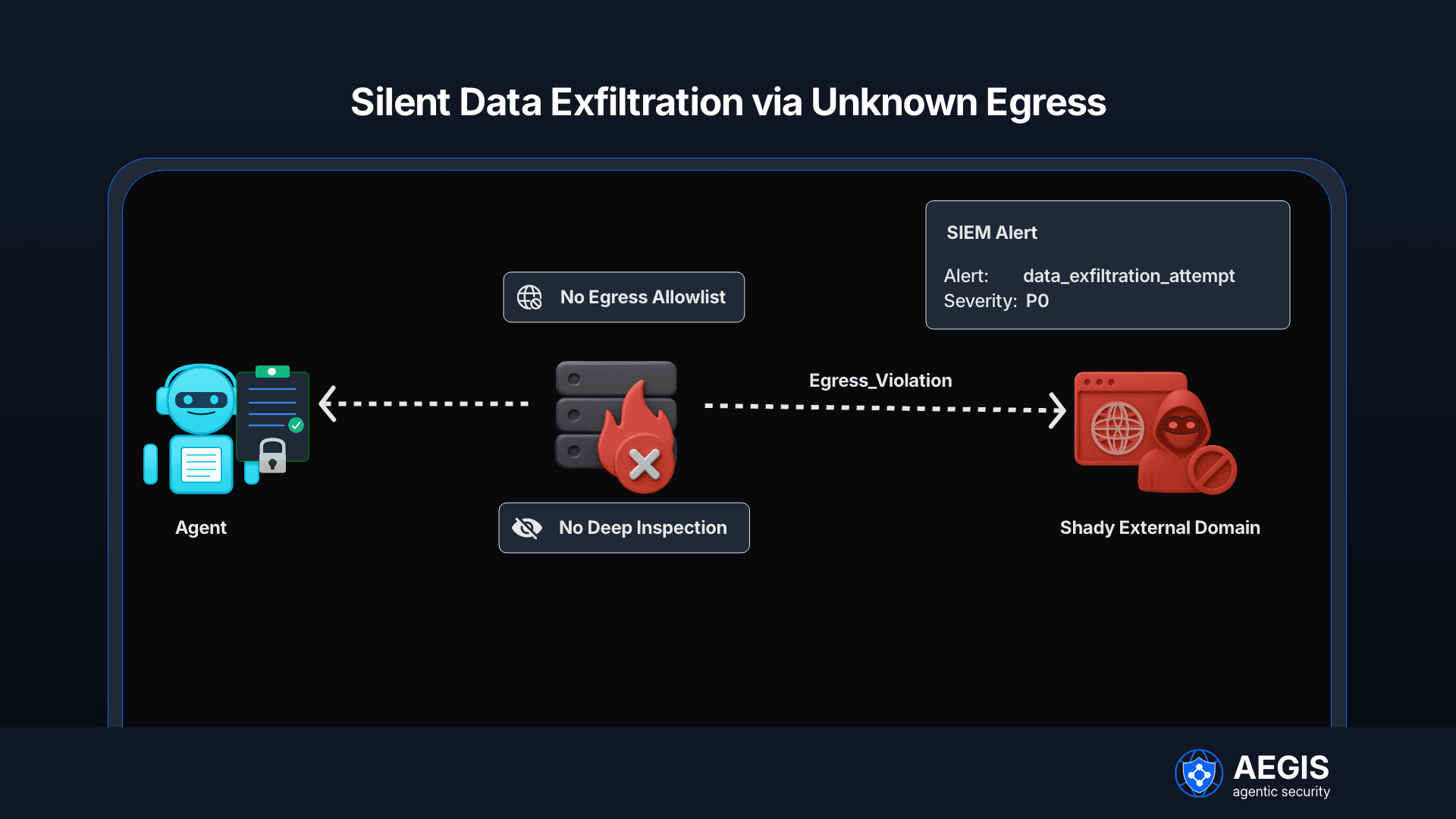
• Regionally scoped policies and tenant-scoped bundles to prevent cross-border exfiltration.
• Deterministic DLP that redacts SSN, credit card numbers, and other structured PII before outgoing messages.
• Approval workflows for high-risk actions with recorded human decisions and override tokens.
• Shadow mode rollout to collect would-deny telemetry before flipping enforcement on.
These controls align with audit and SOC requirements: they produce structured OpenTelemetry spans, SIEM-ready JSON logs, and policy versioning suitable for regulatory review.
👉🏻 Discover how startups are unlocking new possibilities with agentic AI innovation
Aegis as the Control Plane for Virtual Agent Actions
At least one-third of operational controls discussed here are implemented by Aegis. Aegis Gateway is a runtime policy and telemetry mesh designed to:
• Register and identify agents with short-lived, signed tokens.
• Interpose as a proxy/sidecar between orchestrators (AgentKit, LangGraph, etc.) and tools (payment APIs, storage, messaging).
• Evaluate policies compiled to OPA bundles and return allow/deny/sanitize/approval_needed decisions with a reason and optional attestation.
• Emit OpenTelemetry spans and structured logs with agent_id, policy_version, decision_reason and estimated cost.
• Provide SDKs and CLI for policy-as-code, dry-run validation, and rollbacks.
How Aegis enforces critical controls (operational detail)
• Agent identity & least privilege: Aegis issues short-lived JWTs (scoped with organization, tenant and agent claims). Policies bind allowed tools and parameter constraints to agent IDs.
• Parameter inspection & DLP: Aegis inspects call parameters and can sanitize payloads (regex redaction of PII) before allowing outbound requests.
• Approval workflow: For high-risk faults (e.g., payments above threshold), Aegis returns approval_needed, posts an interactive approval to Slack/Teams, and issues a one-time retry token on approval.
• Observability & audit: Every decision produces an OTel span and a signed audit event store suitable for SOC ingestion. Shadow mode lets teams collect would-deny events for tuning.
Example Scenarios and Data Capture
Example: Virtual real-estate agent attempts cross-tenant asset transfer
- Agent attempts transfer_asset( asset_id, dest_tenant ).
- Aegis extracts agent_id, tool=marketplace, amount, dest_tenant and evaluates policy: cross-tenant transfers require escrow or human approval.
- If escrow conditions absent → deny or approval_needed returned. Decision and full context (policy version, decision reason, parent_agent_id) logged as a signed span.
- If approved, override token allows a single retry; all steps remain auditable.
Telemetry examples
Field | Example |
agent_id | finance-agent-273 |
tool | marketplace-transfer |
decision | approval_needed |
policy_version | v2025-11-01-3 |
reason | cross_tenant_transfer_requires_escrow |
span_id | 5f8d3b2a |
This structured capture supports dispute resolution and compliance checks, enabling SOC teams to trace which policy, which human approved, and which exact parameters were passed.
Operational Controls & Deployment Patterns
Multi-tenant scoping and fail-safe modes
Policies are compiled into tenant-scoped bundles and hot-reloaded. The data plane aims for low latency (target P99 ≤ 20 ms) and can be configured to fail-closed for writes (critical) and fail-open for reads (non-critical), with circuit breakers for degraded networks. Shadow mode and dry-run policy simulation reduce deployment risk.
Example policy snippet
agent | allowed_tools | conditions |
finance-agent | stripe-payments:create_payment | max_amount: 5000; approval_needed: amount > 5000 |
Legacy vs Runtime Governance
Capability | Legacy NPC/moderation | Runtime control (Aegis) |
Parameter-level inspection | No | Yes (regex/DLP) |
Human approvals for high-risk actions | Manual & ad hoc | Integrated approval workflow |
Per-agent budgets & rate limits | Not typically | Yes, per-agent/day budget |
Tamper-evident telemetry | Limited | Structured spans + signed audit events |
Cross-tenant scoping | Hard | Tenant-scoped bundles & regional routing |
Practical Recommendations for Teams
- Begin with shadow mode for 7–14 days to collect would-deny events and tune policies.
- Define clear per-agent roles and enforce least privilege by default.
- Use deterministic DLP for structured PII and redact before broadcast.
- Implement approval workflows for financial and cross-tenant operations and record approvals as signed audit events.
- Integrate OpenTelemetry traces into your SIEM for SOC analysis and regulatory reporting.
Frequently Asked Questions
Q1: Can Aegis prevent cost overruns from agents calling LLM APIs?
Yes. Per-agent budgets, rate limits and request quotas are enforced at the gateway. When budgets are exhausted Aegis blocks calls and emits a BudgetExceeded decision.
Q2: How does Aegis handle PII in chat messages?
Aegis performs deterministic DLP (regex-based redaction) and can sanitize payloads before they reach destination tools or public channels. Policies may mandate redaction for specific fields.
Q3: What happens when a policy blocks a legitimate action?
Use shadow mode and policy dry-run simulation to tune conditions before enforcement. Aegis stores policy versions and supports quick rollbacks to reduce disruption.
Q4: Is Aegis tied to a specific orchestrator?
No. Aegis is designed to be orchestrator-agnostic and provides SDKs and middleware for common frameworks (LangChain/LangGraph/AgentKit) and decorators for non-HTTP tools.
Q5: How does approval scaling work?
Policies can be tuned with thresholds to reduce low-value approvals. Approval requests are routed to Slack/Teams and an approvals queue with override tokens ensures scalable human-in-the-loop decisioning.
Q6: How should MSSPs deploy Aegis for multi-tenant customers?
Use tenant-scoped bundles, region-tagged routing, and per-tenant policy versioning. Provide signed audit trails and per-tenant dashboards for each SOC.