How LLMs Power Agentic Systems: A Primer for Enterprises
Learn how LLM-powered agentic systems work, how to evaluate frameworks, and how Aegis secures enterprise multi-agent AI environments.
How LLMs Power Agentic Systems: A Primer for Enterprises
Enterprises are rushing to operationalize agentic AI—autonomous systems built on large language models (LLMs) that can reason, plan, and execute across APIs and applications. Yet, many organizations adopt orchestration frameworks without assessing their long-term operational and security implications.
This guide provides a clear framework for evaluating multi-agent systems, operational readiness, and governance, culminating in how Aegissecurity Aegis provides a secure, policy-driven control plane for AI agents in production.
The Rise of Agentic AI in the Enterprise
Over the past year, searches for “agentic AI” have surged by more than 800% year-over-year. Enterprises across FinTech, Healthcare, Energy, and SaaS are integrating frameworks like LangChain, LangGraph, and AgentKit to build autonomous workflows that handle payments, deployments, and compliance reporting.
However, recent surveys of over 1,000 technology executives reveal two consistent pain points: security and integration complexity. Over half cite security and compliance as the top barrier to adopting multi-agent workflows (Architecture & Governance Magazine).
These concerns arise from the shift in control—from humans to autonomous agents. While LLMs can reason and act, they lack intrinsic guardrails, making enterprise-grade runtime governance essential.
👉🏻 Transform complex workflows with intelligent automation
Selection Criteria for Multi-Agent Frameworks
When evaluating LLM-powered agent frameworks, enterprises should consider security, developer experience, observability, and scalability. Below is a structured breakdown.
Security & Policy Enforcement
Security must extend beyond API authentication. Enterprises require runtime policy enforcement—decisions on what an agent can do, when, and under what parameters.
Key capabilities include:
- Per-agent identity and least privilege: Each agent should have scoped permissions.
- Runtime inspection: Gateways must intercept calls and inspect payloads for policy violations.
- Egress controls: Only approved domains should be reachable, preventing silent data exfiltration.
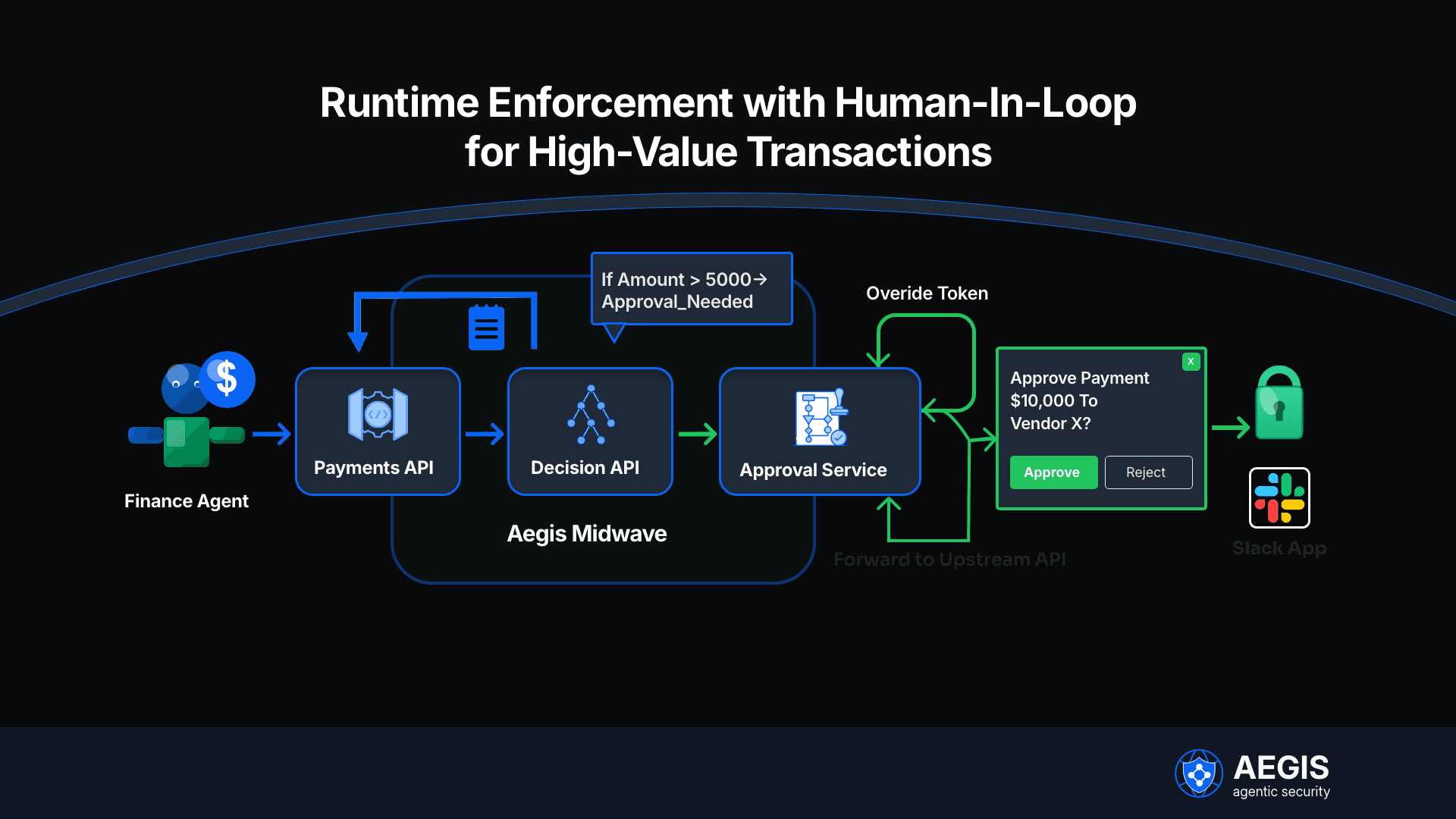
- Approval workflows: For high-risk actions, trigger human-in-the-loop approvals.
- Tamper-proof audit trails: Record every decision, parameter, and policy version.
Traditional IAM cannot fulfill these requirements because it only controls who can call APIs—not what autonomous agents do after access.
Developer Experience (DX)
A strong framework minimizes developer friction:
- CLI and SDKs for registering agents, validating policies, and replaying flows.
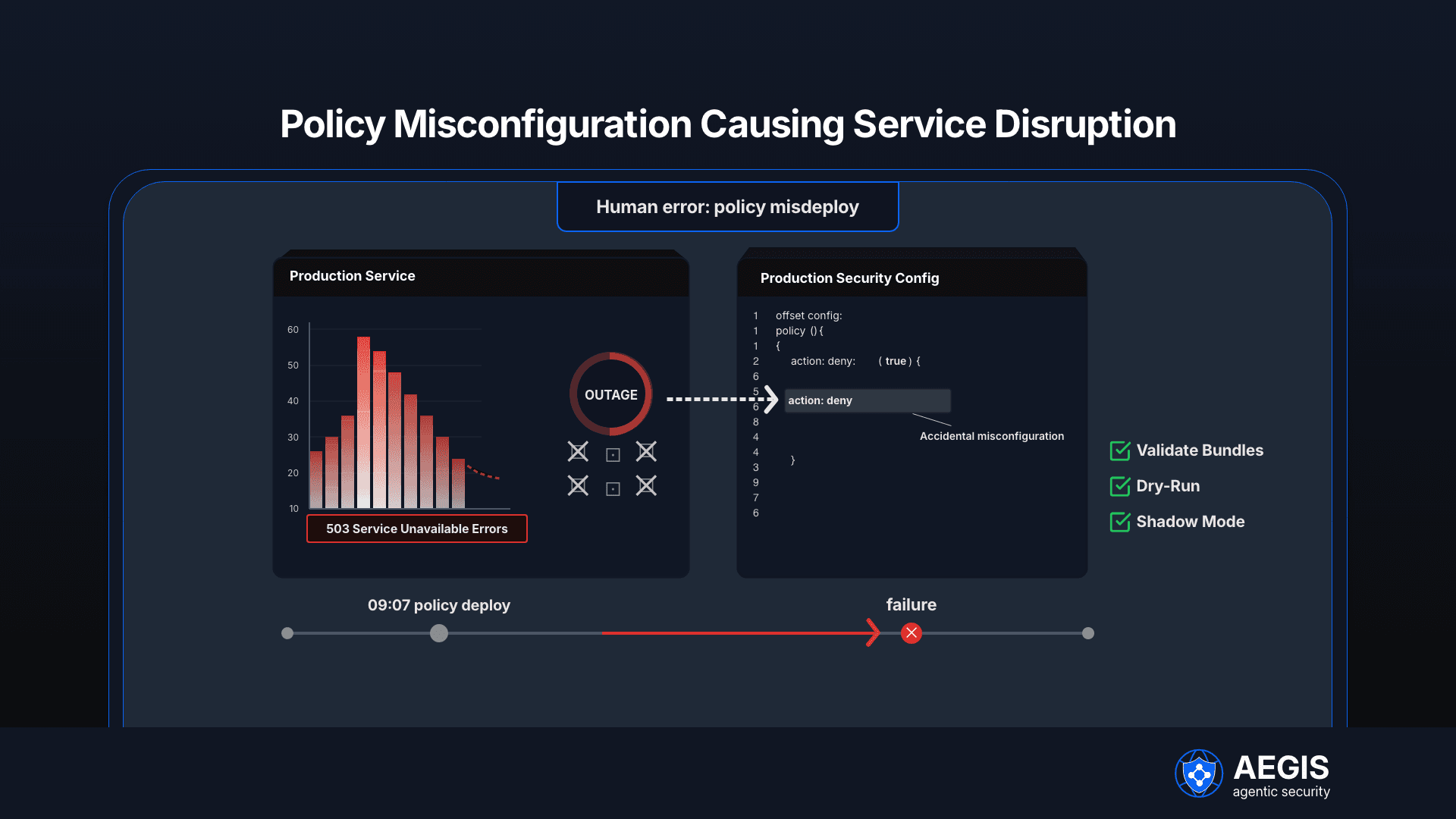
- Policy hot reloads and shadow modes for testing.
- Low latency (<20 ms P99) enforcement for responsive agent operations.
- Seamless integration with orchestrators like LangGraph or CrewAI without rewriting applications.
Evaluation Matrix Example
Criterion | Description | Enterprise Priority |
Runtime Policy Insertion | Ability to enforce per-call decisions | Critical |
Multi-Tenant Isolation | Per-tenant token, policy, and telemetry segregation | High |
Observability | Built-in trace propagation, OTel support | High |
Hot Reload & Shadow Mode | Update policies dynamically | Medium |
Extensibility | SDK or plugin model | High |
Operational Checklist and Runbook
Enterprises adopting multi-agent AI must prepare for runtime incidents, budget overruns, and policy drift. A structured operational runbook mitigates these challenges.
Incident Response for Runaway Agents
Runaway or compromised agents can trigger costly or risky actions—such as mass file deletions, unbounded API calls, or unauthorized transfers.
A mature operational model includes:
- Runtime interception via a security gateway (e.g., Aegis).
- Incident triage pipeline: Identify the agent, tool, policy version, and decision log.
- Rollback and revalidation: Dry-run policies to test updates before enforcement.
- Human oversight: Route approval-needed actions through integrated workflows (Slack, Teams).
Budgeting & FinOps Control
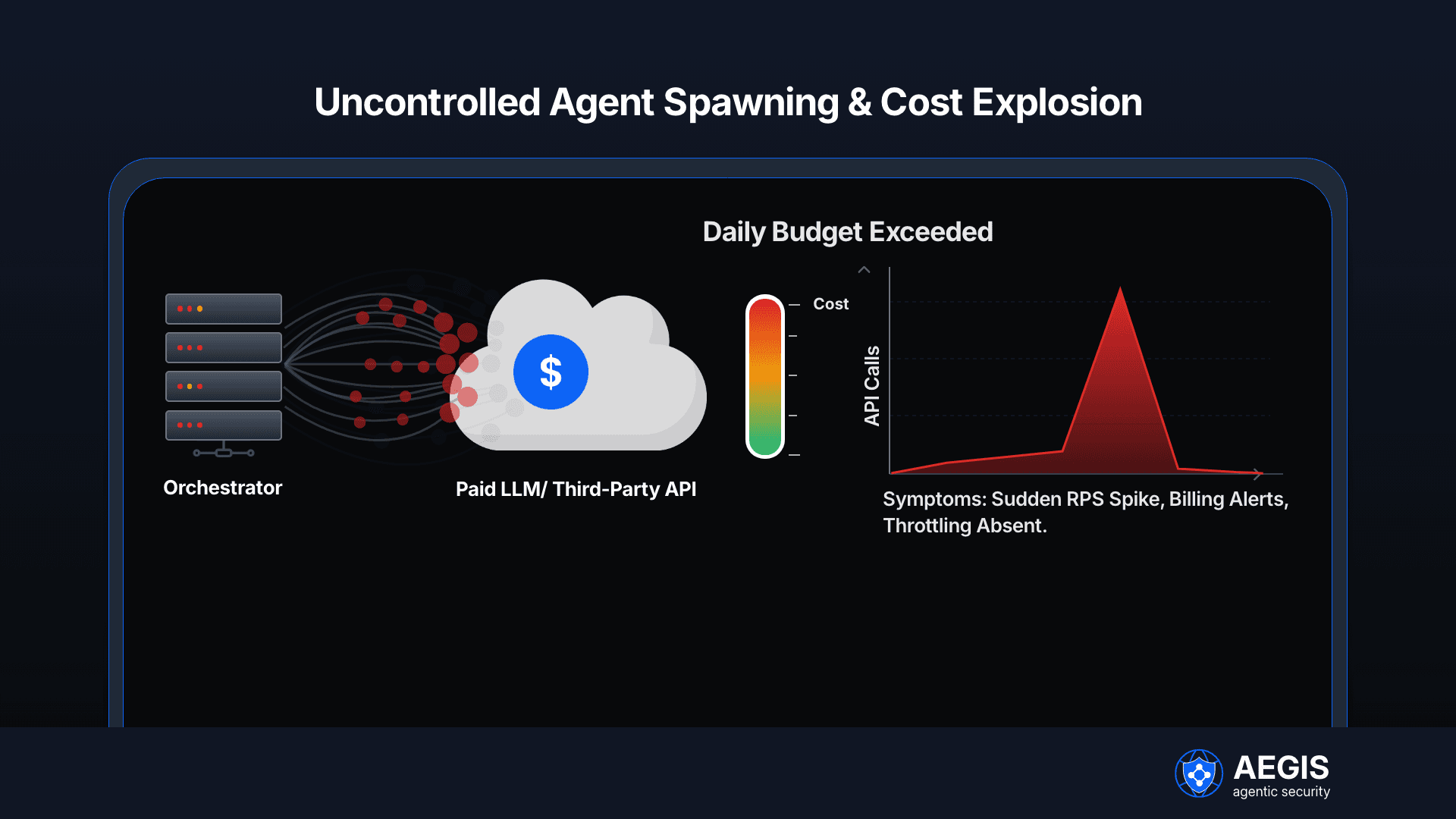
LLM-driven workflows often exhibit unpredictable token and API usage. Uncontrolled agent spawning can escalate costs rapidly.
Best practices:
- Enforce per-agent budgets and rate limits.
- Integrate telemetry dashboards to visualize spend by tool and tenant.
- Use policy-based throttling: halt actions when budgets are exhausted.
Metric | Description | Control Mechanism |
Token Usage | Tokens consumed per agent | Per-agent quota policies |
API Spend | Cost by connector/tool | Budget ceilings with enforcement |
Approval Rate | Ratio of approval-needed calls | Human workload management |
Shadow Mode Events | Would-block actions | Policy tuning metrics |
👉🏻 Make every AI decision explainable and accountable
Integration Architecture and Demo
Multi-agent systems are composed of planners, executors, and tools—all orchestrated through frameworks like LangGraph.
Security, however, cannot be bolted on post-factum. It must operate inline with every call.
Gateway Role in Agentic Architectures
Here’s where Aegis Gateway enters.
Aegis is an AI Security Mesh designed to protect multi-agent workflows. Acting as a runtime policy and observability layer, it ensures every agent-tool interaction is authorized, auditable, and cost-controlled.
Aegis integrates between orchestrators and tools, enforcing per-agent security policies in real time.
Aegis Architecture Overview
Aegis employs a two-plane design — data plane for runtime enforcement and control plane for policy governance.
Data Plane
- Sidecar/Proxy: Intercepts all agent→tool calls, leveraging Envoy ext_authz filters.
- Authorization Server: Evaluates each call against OPA-compiled policies.
- OPA Evaluator: Determines outcomes: allow, deny, sanitize, or approval_needed.
- Telemetry Engine: Emits OpenTelemetry traces and structured logs.
Control Plane
- Policy Compiler: Converts YAML/JSON definitions into OPA bundles.
- Token Service: Issues short-lived JWTs per organization, tenant, and agent.
- Approvals Service: Handles Slack/Teams approvals and override tokens.
- Dashboards: Display metrics such as decision ratios, budget usage, and latency.
This architecture allows policy-as-code, runtime enforcement, and observability—the foundational triad for AI security operations.
👉🏻 Ensure compliance with clear and structured AI documentation
Aegis as the Enterprise Solution
One-third of enterprise risk in agentic AI stems from lack of runtime governance. Aegis directly addresses this through five key capabilities.
1. Policy-as-Code for AI Agents
Policies are written in YAML or JSON and compiled into OPA bundles.
They define:
- Which agent can use which tool.
- Under what parameters or ranges.
- When approvals are required.
Example policy snippet:
agent: finance-agent
allowed_tools:
- name: stripe-payments
actions:
- create_payment
conditions:
max_amount: 5000
This ensures the planner agent cannot coerce the finance agent into unauthorized payments—a classic privilege escalation scenario.
2. Runtime Enforcement
Aegis acts as a reverse proxy between orchestrator and tools:
- Inspects headers, parameters, and context.
- Applies per-call decision logic.
- Blocks violations and emits standardized telemetry.
Every decision is logged with structured data—agent ID, tool name, policy version, latency, and cost.
3. Observability and Compliance
Through OpenTelemetry integration, Aegis provides:
- Traces and dashboards for decision outcomes.
- Policy versioning and change tracking.
- Tamper-proof logs for regulatory audit readiness.
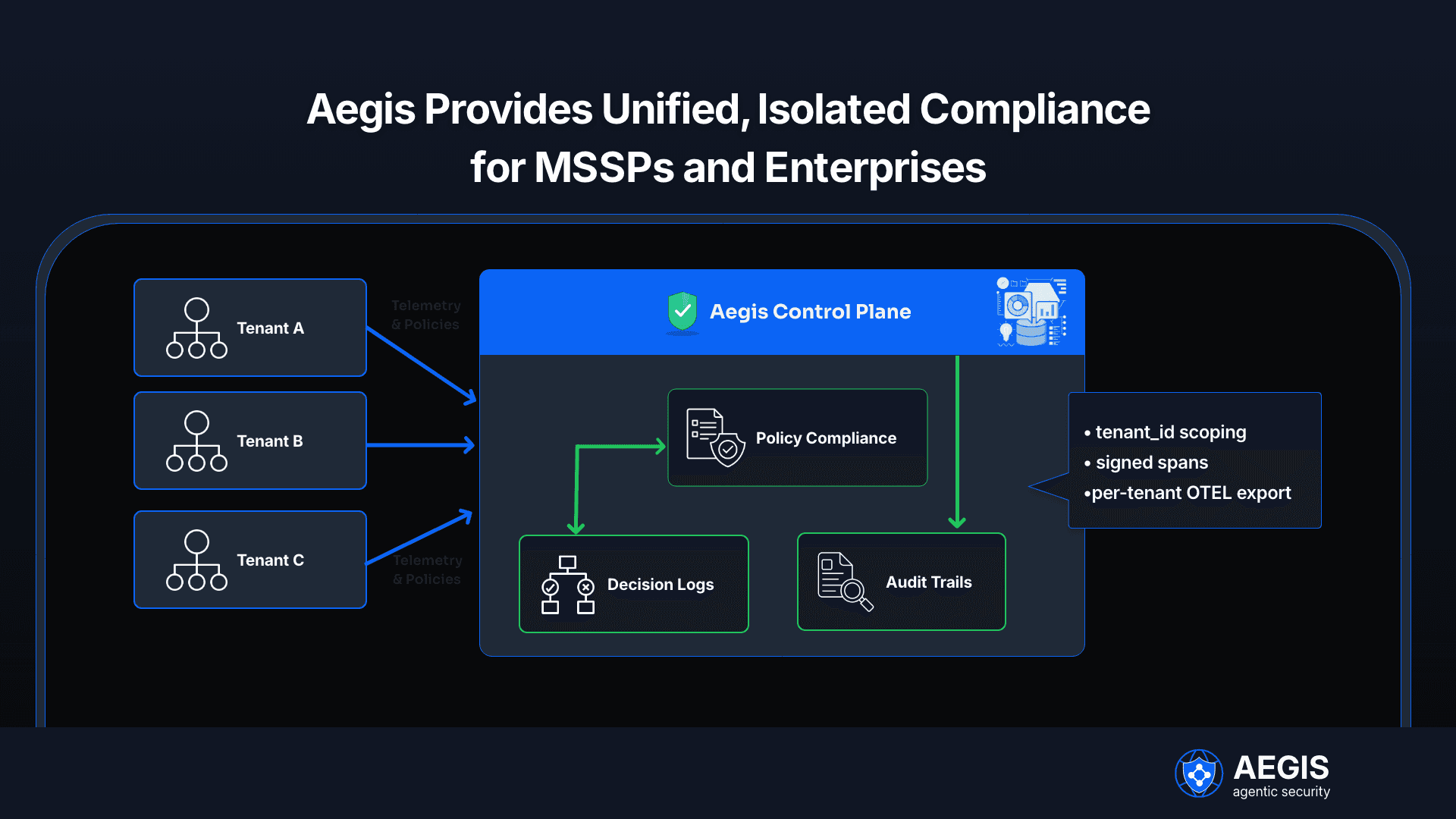
Aegis aligns with multi-tenant compliance goals by isolating agent telemetry per tenant and routing logs to SOC/SIEM systems.
4. FinOps and Cost Governance
Aegis’s budget-aware enforcement prevents uncontrolled spend by applying per-agent daily budgets and throttling API usage.
This protects organizations from the hidden cost of unsupervised agent proliferation—a major risk in production-scale deployments.
5. Developer Experience and Scalability
Aegis ships with CLI and SDK tooling for rapid integration:
- Dry-run mode: Observe potential violations without blocking.
- Hot reload: Update policies in real time.
SDK Middleware: Drop-in integration with LangChain or LangGraph.
It scales horizontally to handle 10,000+ RPS per region while maintaining <20 ms decision latency.
Industry Applications
Aegis secures diverse enterprise environments where AI autonomy intersects with compliance:
Industry | Use Case | Aegis Capability |
FinTech | Enforce payment ceilings and approvals | Policy-as-code & approval_needed |
Healthcare | Redact PHI before EHR writes | Deterministic DLP via policy |
SaaS/FinOps | Control per-agent API spend | Budget enforcement |
DevOps | Gate deployments with approval workflows | Runtime enforcement |
MSSP/MSP | Provide cross-tenant audit trails | Multi-tenant isolation |
Each case reflects Aegis’s role as the “Istio + OPA for Agents”, providing a unified enforcement and observability layer.
Governance, Audit, and Runtime Safety
Beyond runtime security, Aegis enables structured governance workflows:
- Dry-run approval: Preview effects before enforcement.
- Central policy registry: Enforce version control and approval hooks.
- Runtime attestations: Sign logs cryptographically for audit confidence.
Aegis addresses emerging threats like prompt injection, shadow agents, and cross-tenant policy collision through strict identity, per-agent tokens, and scoped policy bundles.
Frequently Asked Questions
1. How does Aegis differ from traditional IAM systems?
IAM controls who can access APIs. Aegis governs what autonomous agents can do during execution—enforcing fine-grained policies per action and parameter.
2. What frameworks can Aegis integrate with?
Aegis supports LangChain, LangGraph, CrewAI, and custom orchestrators via lightweight middleware and SDKs.
3. Does Aegis introduce latency?
No significant impact. Its optimized OPA engine with caching and prepared queries maintains <20 ms P99 latency per decision.
4. Can Aegis run in shadow mode?
Yes. Shadow mode lets teams observe policy impacts before full enforcement—ideal for tuning thresholds.
5. How does Aegis support compliance teams?
It provides auditable, tamper-resistant logs, OpenTelemetry traces, and dashboards showing policy decisions, ensuring audit readiness.