Open Innovation: Contributing to the Agentic AI Community
How enterprises can enable open innovation for agentic AI while enforcing runtime governance, signed policy bundles, and auditable enforcement.
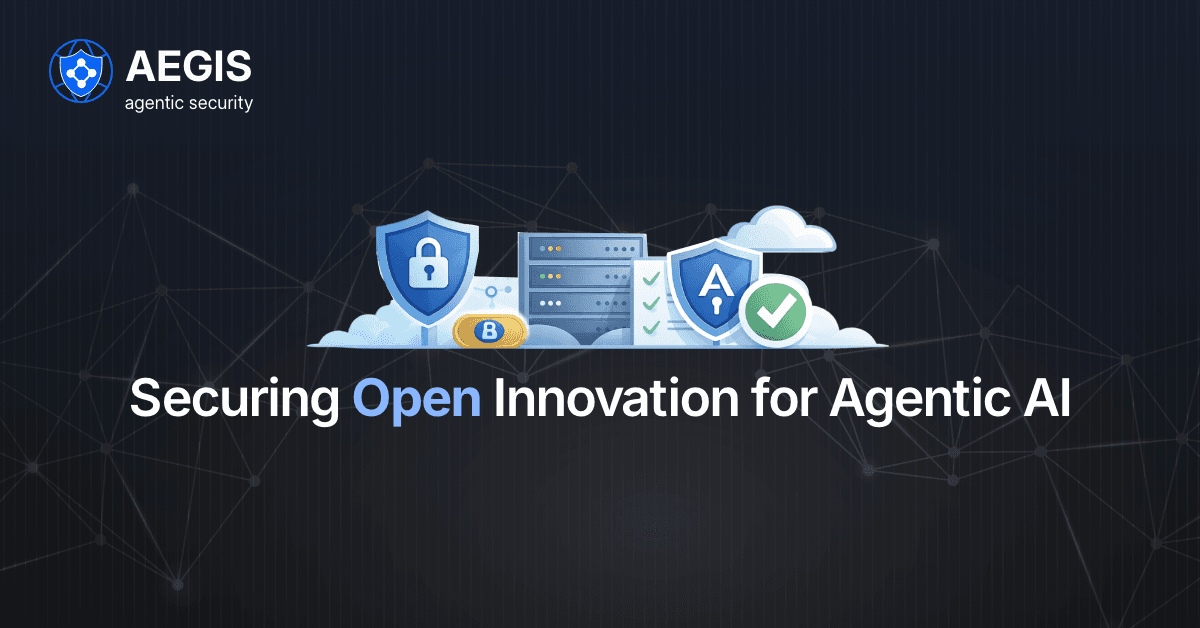
Securing Open Innovation for Agentic AI: How Aegis Enables Safe, Reusable Building Blocks
Open innovation is accelerating agentic AI development: open-source agents, connectors and community policy templates dramatically lower time-to-prototype. Yet enterprises hesitate — governance, IP, and runtime risk remain serious blockers. This post explains why open innovation matters for agentic AI, how to build safe reusable building blocks, governance patterns and operational steps to contribute and consume community assets safely.
Why open innovation matters for agentic AI
Open innovation lowers friction. Community connectors, policy templates, and shared test suites let teams stand up integrations (SharePoint, Stripe, internal APIs) far faster than building from scratch. Market signals show a rapid rise in interest for agentic AI — search volumes and investment activity surged across 2024–2025, and enterprise surveys flag integration and security as top barriers to adoption. Recent analysis shows search interest for agentic AI increased markedly, demonstrating mainstream attention; enterprise surveys report security and integration as leading concerns. (PMG - Digital Company)
Why that matters operationally:
- Speed: reusable connectors and policy templates reduce connector time-to-production (example consortiums report >50% reduction in integration cycle time).
- Scale: MSSPs and platform teams can share tenant-scoped detection and compliance policies.
- Community economics: shared modules reduce duplicated effort and introduce reputation systems for vetted contributors.
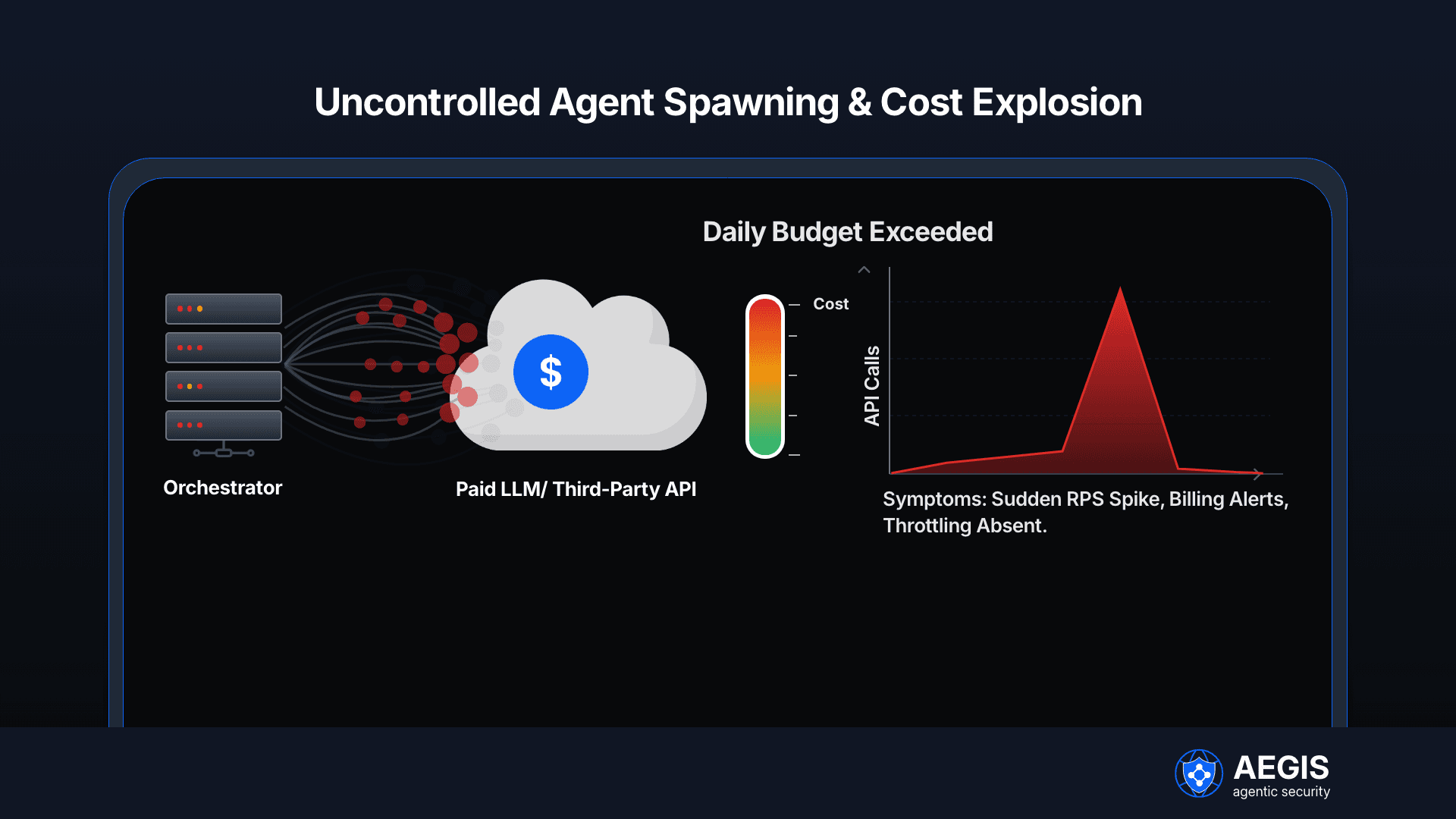
But open innovation introduces two fundamental enterprise risks: governance (who owns the code/policy and how is IP managed?) and runtime exposure (community code running with broad agent privileges). The recommended approach is hybrid: accept community contributions but enforce them at runtime with a security mesh.
Building safe, reusable building blocks
The technical scaffolding for safe contributions has three layers: contribution standards, signed policy bundles, and runtime enforcement.
Contribution standards and CI scaffolding
A robust contribution model includes:
- Contributor license agreements and scoped IP terms.
- Specimen test suites and CI pipelines that run connector-specific tests.
- Dry-run validators that surface would-block events and security smells during PRs.
Operational practice: each policy template is accompanied by a dry-run report (example metrics: would-block rate, top violating agent IDs, parameter distributions) so adopters can preview impact before enabling enforcement.
Policy marketplaces and signed bundles
A policy marketplace is a curated catalog where enterprises can publish and consume vetted Rego/YAML policies. Core elements:
- Signed bundles and hash-chained manifests to prevent tampering and provide provenance.
- Tenant-scoped policy versions so MSSPs can share policies that are safe-by-default and parameterized for specific tenants.
- Reputation, co-marketing and test artifacts to incentivize contributions.
Aegis supports policy signing, bundle manifests and shadow-mode validation — enabling organizations to adopt community templates with cryptographic integrity and observable dry-run metrics.
Governance patterns and case studies
Governance patterns
- Policy-as-code + schema validation: policies written in YAML/JSON compiled to OPA bundles. Validate against schema in CI to prevent misconfiguration.
- Shadow-first rollout: deploy in shadow mode for 7–14 days, collect would-block telemetry and adjust thresholds. Shadow mode removes surprise outages while surfacing real-world behavior.
- Signed releases and manifest history: every policy bundle includes a signed manifest and changelog to prove provenance and enable audits.
- Tenant scoping and namespacing: policies carry tenant IDs and region tags to prevent cross-tenant leakage.
Case study sketches
FinTech — Controlled payments: a community-shared “stripe-payments” policy template enforces per-agent ceilings and requires human approval for large transfers. Using a signed bundle and shadow rollout, a consortium reduced time-to-production for a SharePoint/Payments connector by 60% in pilot adoption while preventing would-block financial events during tuning.
Healthcare — PHI-safe connectors: a community template for EHR connectors includes deterministic DLP and region-based routing. After dry-run validation and minor tenant overrides, hospitals adopted the policy with minimal change to pass auditors’ checklist.
How Aegis operationalizes the approach
Aegis is designed as a runtime security mesh for multi-agent architectures — a gateway that enforces least privilege, signs bundles, runs shadow mode and emits auditable telemetry. Below are the core capabilities that let organizations combine open innovation with enterprise-grade governance.
Identity, tokens and per-agent scoping
Aegis issues short-lived JWTs (organisation, tenant, agent claims) and supports mutual TLS between orchestrator and gateway. Tokens include scopes and expiry; a token service provides jti replay protection. This identity model ensures community-contributed policies can be parameterized per-tenant and enforced without altering the orchestrator.
Policy-as-code, compilation and signing
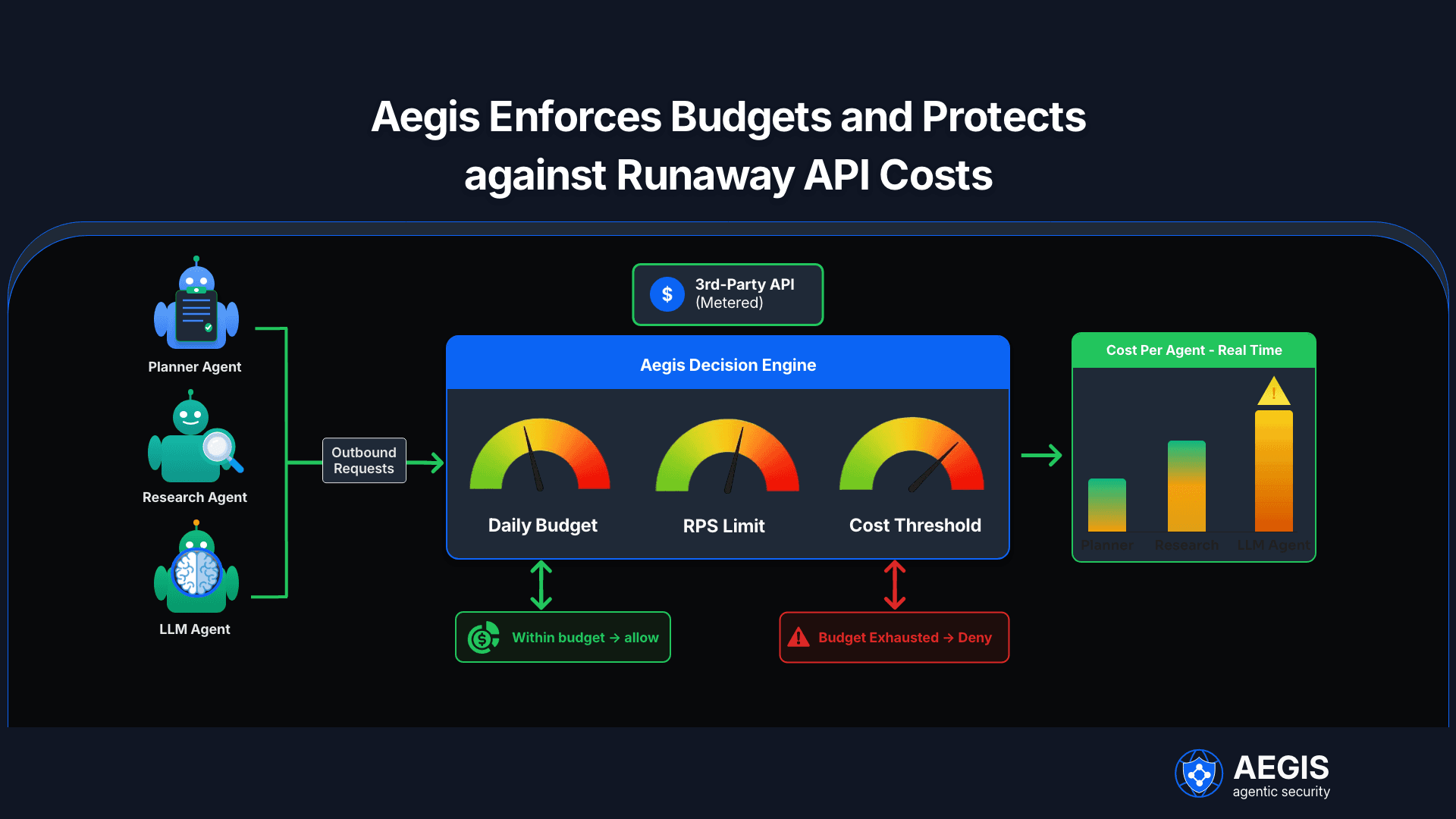
Authors write policies in YAML/JSON; Aegis compiles templates to OPA bundles, signs manifests and stores versions in a bundle store with ETags. Signed bundles prevent tampering and enable consumers to verify origin before applying to their environment. Policies support conditions (ranges, regexes), rate limits, budgets and actions (allow, deny, sanitize, approval_needed).
Runtime enforcement and shadow mode
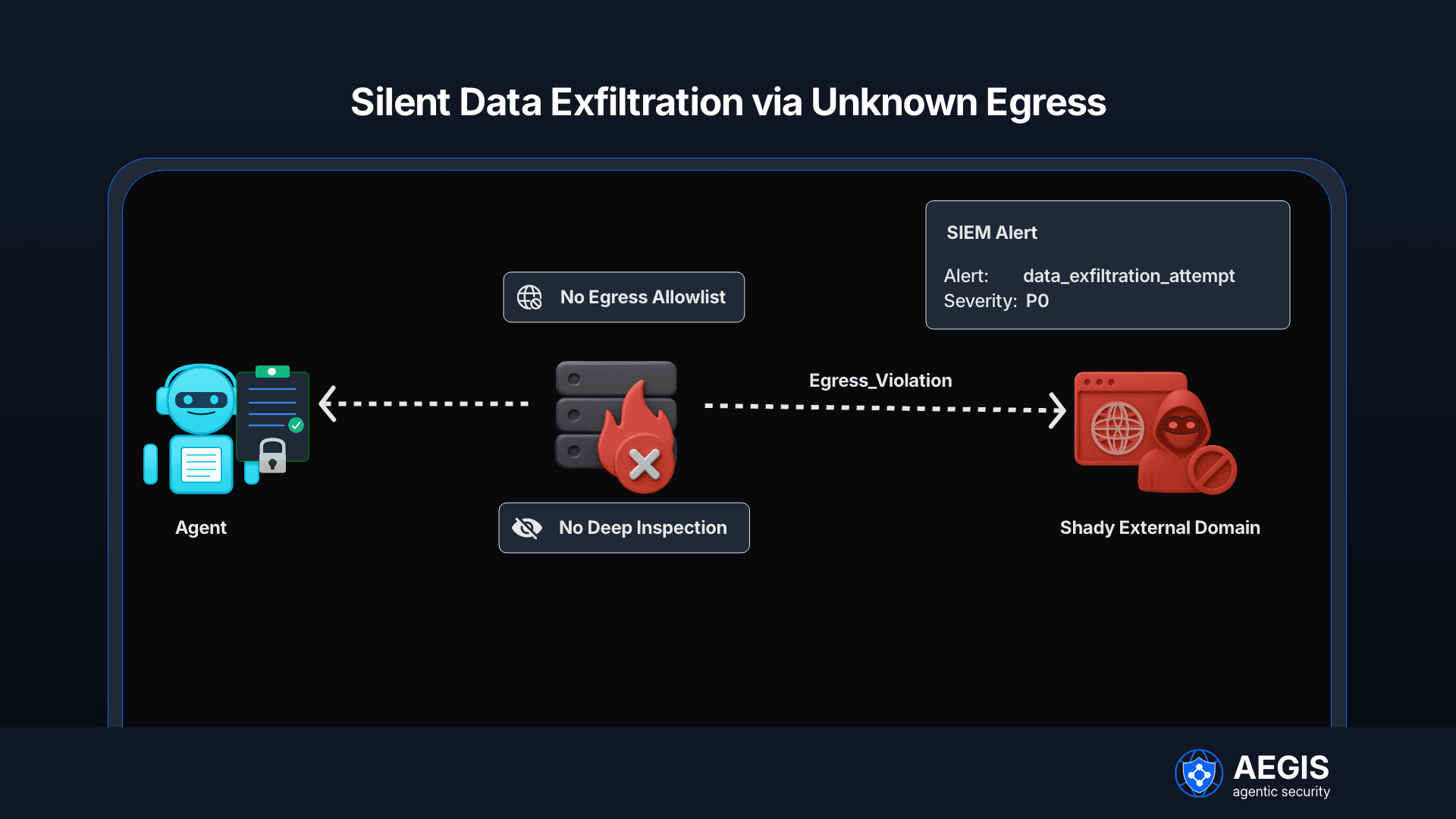
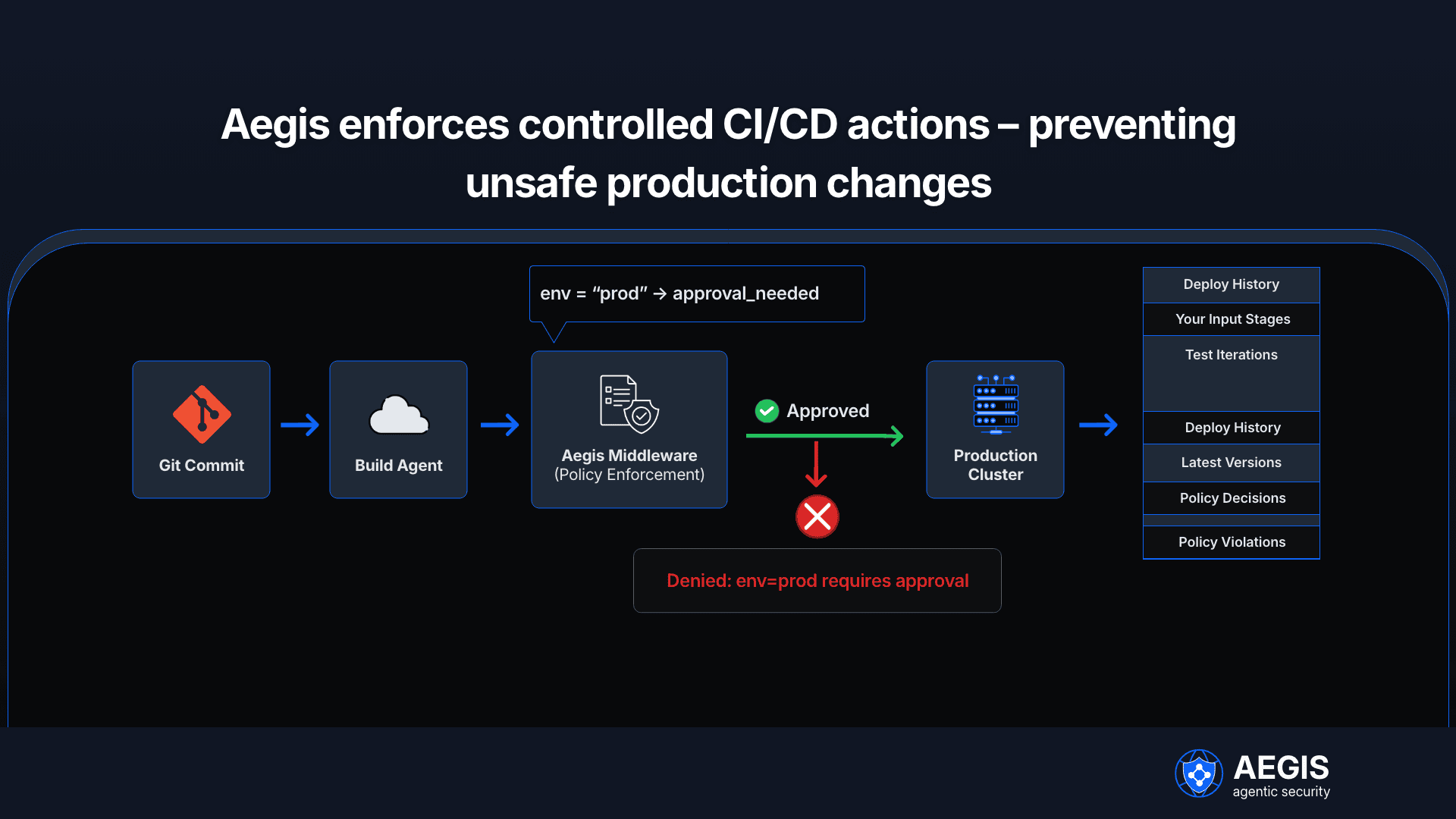
Aegis sits between agent orchestrators and tools (sidecar/proxy model). For each agent→tool call it evaluates policy and returns decisions: allow, deny, sanitize or approval_needed. Shadow mode lets teams collect would-block metrics (would-block rate, top violating agents, parameter histograms) without blocking traffic — enabling safe tuning for community templates.
Observability & auditability
Every decision emits OpenTelemetry spans including agent_id, tool, decision, policy_version and reason. Aegis can produce tamper-evident logs and hash-chained audit trails for SOC and compliance reviews — essential when running community code in regulated environments.
Developer experience and integration
Aegis provides SDKs (Python/Node), a CLI for policy dry-run and publishing, and Helm/Terraform modules for fast installs. Integration points include lightweight middleware for LangChain/LangGraph or ext_authz patterns for Envoy — minimising developer friction.
Core Aegis capabilities vs. enterprise need
Enterprise Need | Aegis Capability | Outcome |
Prevent unauthorized payments | Per-agent ceilings + approval_needed | Blocks high-risk transfers in real time |
Tenant-scoped compliance | Signed bundles + tenant tags | No cross-tenant policy bleed |
Audit & regulator evidence | OTel spans + signed logs | Tamper-evident audit trail |
Fast adoption | SDKs + Helm + sample policies | Reduced integration lift |
Typical policy actions and examples
Action | Example condition | Result |
allow | agent: analytics-agent, tool: metrics-ingest | immediate pass |
deny | agent: hr-agent, tool: legal-docs/read | blocked, logged |
sanitize | posting to Slack — redact PII regex | sanitized payload forwarded |
approval_needed | payment amount > $5,000 | pause, send Slack approval |
Steps to contribute and consume safely
If your org or community wants to participate, follow this operational checklist:
Contributor steps:
- Sign CLA and follow repository & IP scoping rules.
- Submit policy template with: sample test suite, dry-run data, and parameterised tenant variables.
- Publish signed bundle and manifest; include upgrade notes and runtime hints (expected would-block rate).
Consumer steps:
- Pull signed bundle and validate manifest signature.
- Run bundle in shadow mode for 7–14 days, inspect would-block metrics.
- Apply tenant overrides only after successful dry-run — keep policy versions immutable and auditable.
- Rotate through an approval workflow for high-risk actions; use Aegis override tokens for controlled retries.
Operational KPIs to track:
- Number of curated policies adopted.
- Would-block to actual-block conversion rate after tuning.
- Time-to-adopt (from pull to enforce).
- Policy evaluation latency (P99 target ≤ 20 ms).
Frequently Asked Questions
Q: Can we trust community policies?
A: Trust is built: require signed bundles, CI test results, dry-run metrics and reputation metadata before adoption.
Q: How do we prevent cross-tenant policy collisions?
A: Use tenant-scoped bundles and manifest claims; enforce namespacing in the policy compiler and bundle store.
Q: What if policy evaluation adds latency?
A: Use prepared OPA queries, in-memory caches, and WASM if needed — target P99 ≤ 20 ms.
Q: How do MSSPs share tenant-scoped policies safely?
A: MSSPs publish parameterised templates with tenant variables; customers import and sign-off per tenant after shadow validation.
Q: Where can I learn more about industry adoption and risks?
A: See market summaries and enterprise surveys that highlight integration and security as critical barriers. (Architecture & Governance Magazine)
Conclusion
Open innovation and community-contributed assets are essential to scale agentic AI across enterprises — but they must be coupled with runtime enforcement, signed provenance and observability. The hybrid model (open contributions + security mesh) gives organizations the speed benefits of community work while preserving the control and auditability required in regulated environments. Aegis implements that model: policy-as-code, signed bundles, shadow mode and a lightweight gateway for real-time decisions — helping teams safely adopt community-driven agentic components at scale.