
Crowdsourcing Agent Data: Pros and Cons
Practical metrics and benchmarks for agentic AI performance, safety, and cost.
Benchmarking Agentic AI: Metrics That Matter
Agentic AI systems depend on diverse data sources and runtime interactions. Crowdsourced annotation and live human feedback accelerate scale but introduce noise, bias, and privacy risk. This article maps the measurement framework teams need—what to measure, why it matters, how to govern crowdsourced inputs, and where Aegis fits as a runtime enforcement and telemetry fabric for safe, auditable agent deployments.
Problem and business tradeoffs
Crowdsourcing delivers volume and domain variety for training agent policies and dialogue traces, but it has tradeoffs. Label noise and annotator inconsistency reduce model fidelity; privacy leakage can occur if human reviewers see PII; adversarial annotators can inject poisoned examples. Recent literature emphasises label-noise as a core challenge and proposes algorithmic corrections that let teams tolerate controlled noise at scale. (arXiv)
Operationally, organisations choose between slow, expensive in-house SME labeling and faster, cheaper crowdsourcing with downstream correction. Surveys of enterprise AI adoption show security and data governance remain top barriers: over half of practitioners flag security as a primary concern when deploying agentic systems. (Architecture & Governance Magazine)
Business tradeoffs (quick view)
- Scale vs. fidelity: more labels faster, but higher risk of noisy ground truth.
- Cost vs. control: crowdsourcing reduces per-unit cost but increases governance burden.
- Speed vs. compliance: live feedback accelerates iteration but needs stricter runtime validation.
Old methods vs modern crowdsourcing
Historically, teams relied on SMEs or internal annotation teams—accurate but slow and costly. Modern pipelines use hybrid approaches: crowd for scale, SMEs for review, and noise-correction models for label aggregation. Empirical research (2023–2025) demonstrates methods like instance-dependent noise models, dynamic resampling, and consensus aggregation markedly improve outcomes when combined with annotator scoring. (OpenReview)
Method | Typical cost | Time-to-label | Noise risk | Best use |
SME-only | High | Weeks–months | Low | Regulatory/PHI tasks |
Crowdsourced + correction | Low | Days | Medium–High (mitigatable) | Large-volume dialogue data |
Hybrid (crowd + SME QA) | Medium | Days–Weeks | Low (if QA enforced) | Customer-facing agents |
Data quality risks and mitigations
Key risks:
- Label noise and bias
- Confidentiality/PII leakage
- Metadata gaps (missing context that agents need)
- Adversarial or poisoned inputs
Mitigations:
- Annotator scoring, gold-standard traps, and consensus aggregation.
- Differential privacy and encrypted annotation pipelines for sensitive tasks.
- Deterministic DLP at ingestion and field-level redaction for exports.
- Continuous benchmarking and retriage of flagged items to SMEs.
Practical controls teams should implement:
- Annotation SOP with redaction rules and gold items.
- Annotator onboarding & scoring, with dynamic resampling for low-reliability workers.
- Continuous QA cadence and drift detection for label distributions.
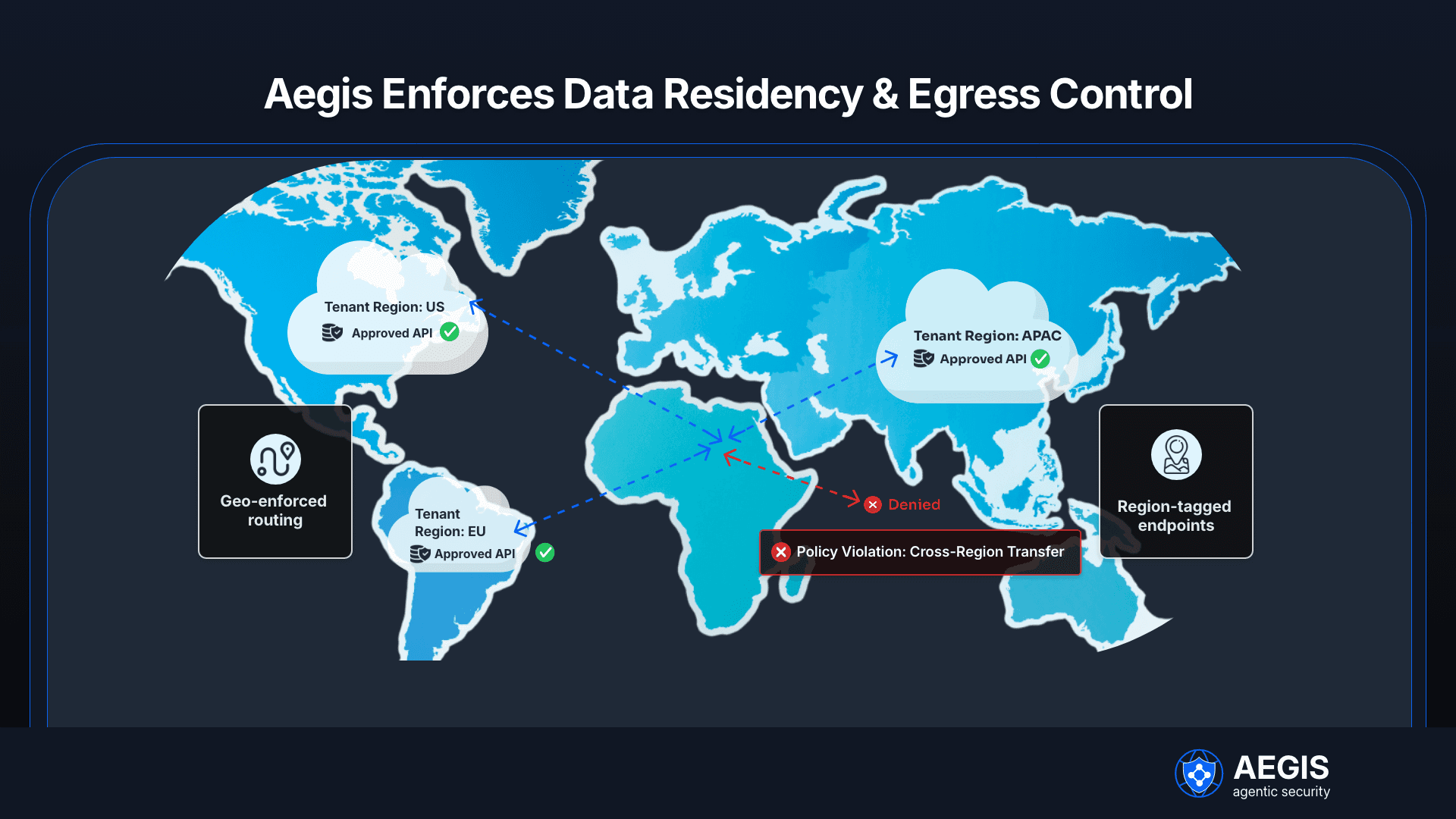
- Privacy Impact Assessment (PIA) and region-aware data routing.
Research advances show algorithmic label-noise correction (Bayesian and instance-dependent models) reduces downstream accuracy loss; still, human-in-the-loop QA remains essential for high-risk verticals like healthcare and finance. (OpenReview)
How agents consume crowdsourced data
Training pipelines tolerate controlled noise if corrected during aggregation and re-labeling. Runtime inputs—live human feedback or conversational edits—require stricter safeguards because they affect immediate agent behavior and can be exploited for prompt injection or memory poisoning.
Operational pattern:
- Offline: use crowdsourced labels with annotator metadata, consensus, and re-label workflows to produce training datasets.
- Runtime: treat human-in-loop signals as untrusted. Sanitize, validate, and only allow transformed signals through guarded APIs.
Teams must track provenance for every datapoint used to fine-tune agents: who labeled it, what gold checks it passed, which policy or model consumed it, and when it was used.
Aegis and data governance interplay
Aegis is a runtime policy and observability fabric designed to enforce least-privilege, control egress, redact sensitive content before datasets leave operational systems, and emit auditable telemetry for compliance teams. In a world where 53–62% of practitioners list security and data governance as primary barriers, Aegis provides the missing runtime controls and traceability that allow crowdsourcing to scale safely. (Architecture & Governance Magazine)
Key Aegis capabilities (operational summary):
- Policy-as-code to declare which agents may ingest or export crowdsourced content, with parameter-level conditions and approval flows.
- Deterministic DLP and sanitize decisions at the gateway (redact PII or block egress to unapproved domains).
- Telemetry: OpenTelemetry spans containing agent_id, policy_version, decision, and provenance to feed SIEMs and FinOps dashboards.
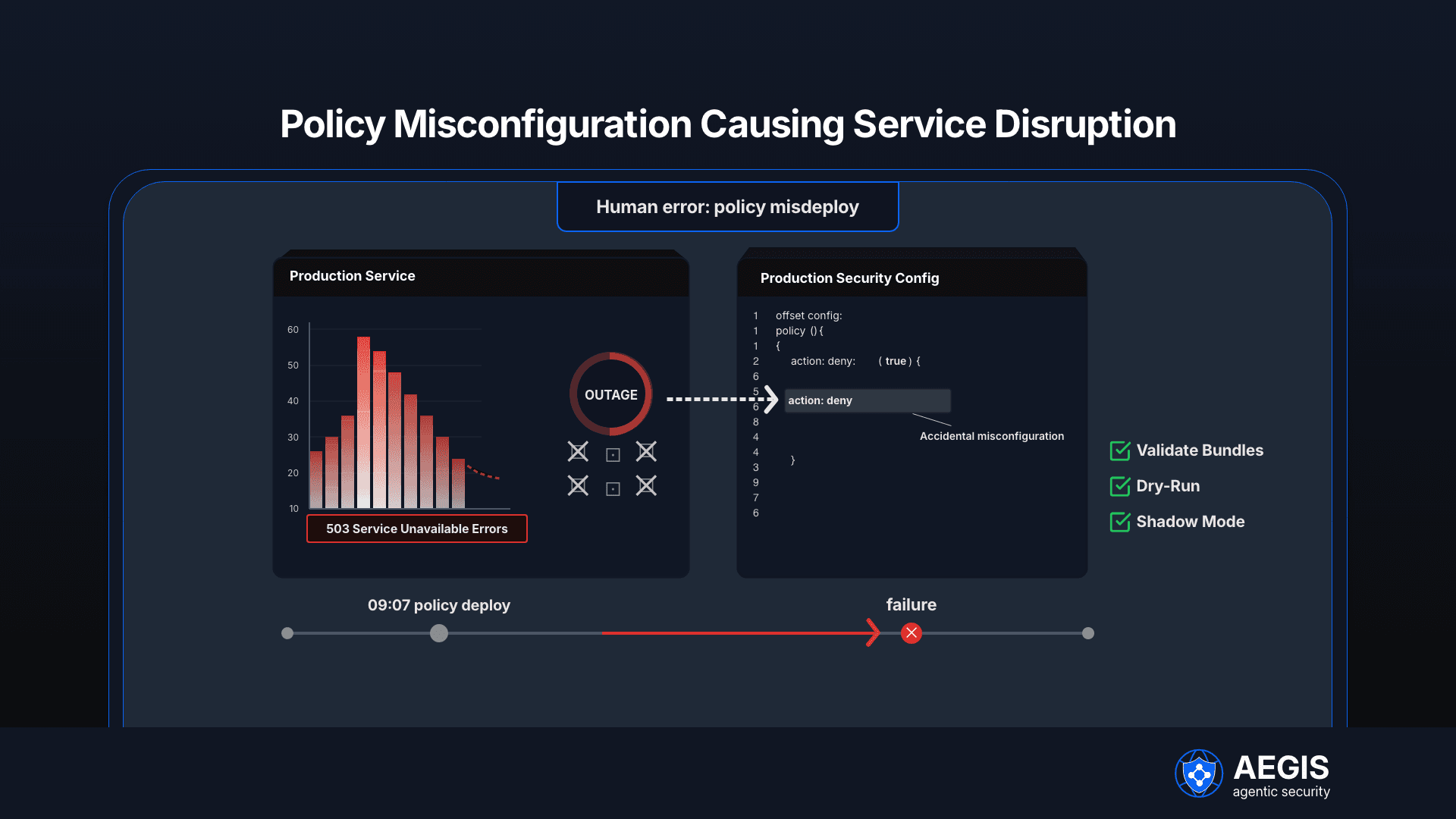
- Shadow mode to collect would-block metrics before enforcement, reducing false positives and operational disruption.
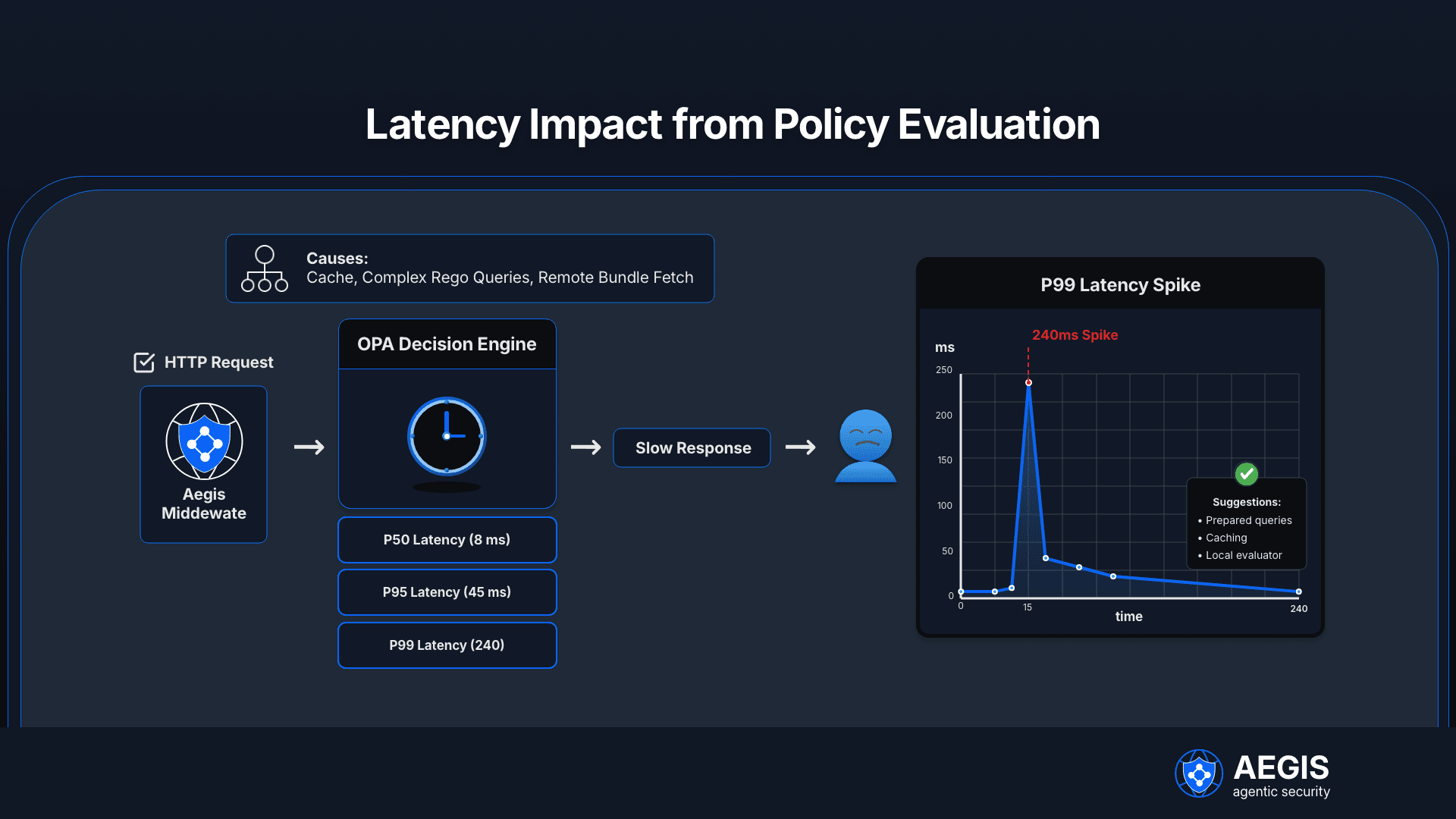
At least one-third of any operational benchmark should cover how Aegis enforces policy coverage, approval rates, and decision latency (P99). Aegis targets low runtime overhead (P99 policy eval ≤ 20 ms) while emitting structured logs for SOC and compliance reviews.
Implementation checklist
Operational checklist for teams adopting crowdsourced data with agentic AI:
- Annotation SOP + gold-label corpus
- Annotator onboarding and continuous scoring
- Encryption at rest/in transit for annotation pipelines
- Deterministic DLP & field-level redaction at export
- Policy definitions for runtime inputs (who can export, which domains allowed)
- Shadow rollout for policies and a 2–4 week dry-run period
- QA audit cadence: weekly sampling, monthly retraining triggers
- Provenance logs for every dataset used in fine-tuning
Metric | Target / Recommendation | Why it matters |
Policy eval latency (P99) | ≤ 20 ms | Keeps agent UX responsive |
Annotator agreement (Cohen’s kappa) | ≥ 0.7 on critical labels | Indicates label reliability |
Approval_needed rate | < 5% for low-risk flows | Avoids human approval fatigue |
Percent redacted exports | 100% for PHI-sensitive fields | Compliance & privacy |
Benchmarking Agentic AI Performance: What to measure
Core categories and example KPIs:
- Safety & governance: policy coverage %, approvals per 1k actions, PII redaction rate. (Aegis provides telemetry for each.)
- Accuracy & data quality: post-aggregation label accuracy, annotator reliability score, NER/intent F1 after training with corrected labels. (ACL Anthology)
- Latency & reliability: policy eval P50/P95/P99, system availability, error rates.
- Cost & FinOps: cost-per-call, per-agent daily budget burn, high-cost trace counts.
- Drift & continuity: data distribution drift metrics, retrain triggers, percentage of re-triaged items.
Real-world trend signals: analysts warn that many agentic projects will be scrapped if value is unclear; governance and cost metrics directly influence that outcome. Gartner projects substantial churn for immature agentic projects, underscoring why governance metrics must be tracked. (Reuters)
Why Aegis matters for MSSPs and regulated industries
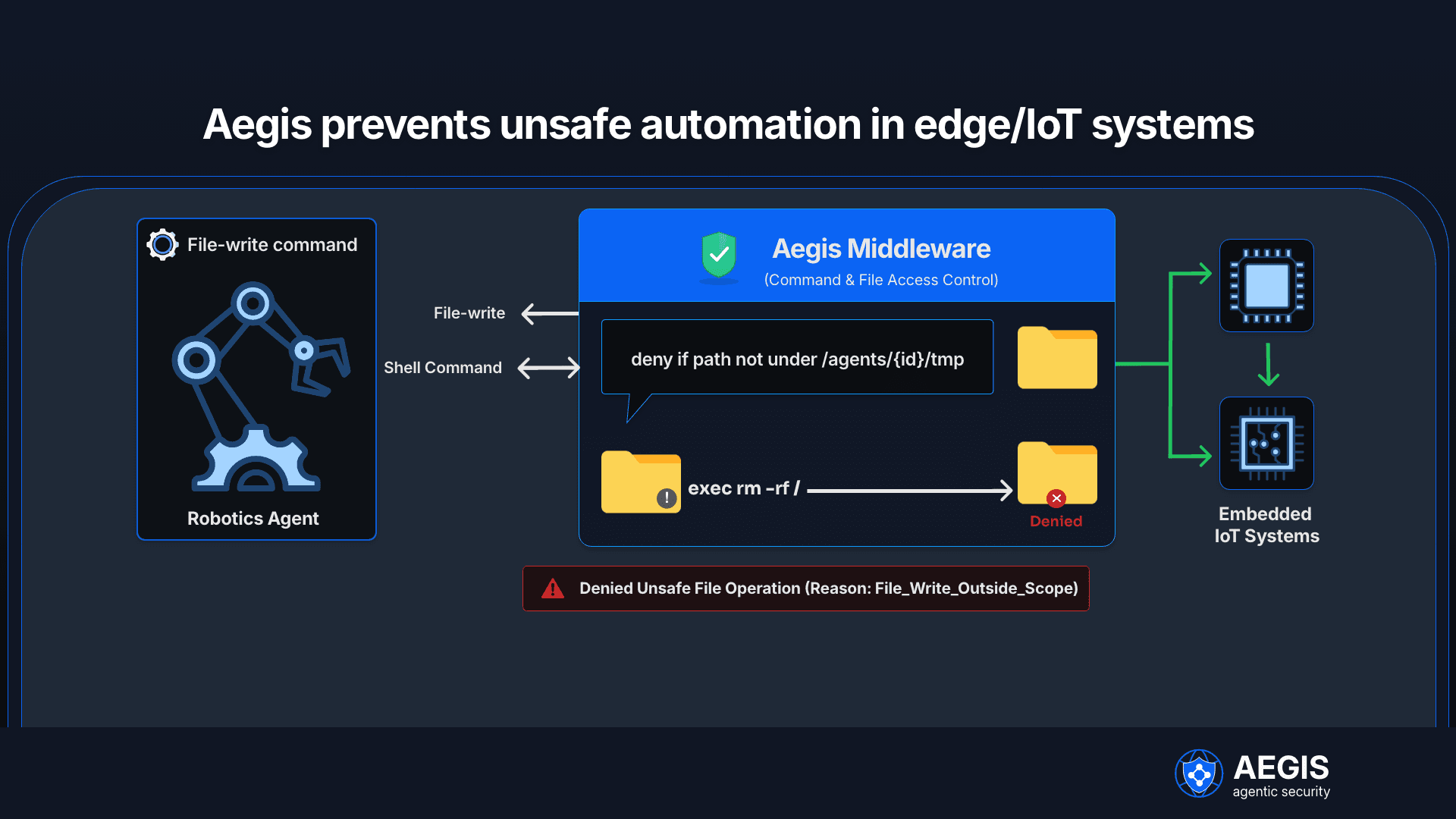
Aegis is designed for tenants that must show auditability and enforce tenant-scoped policies at runtime. Use cases include controlled payment workflows, EHR access with deterministic DLP, and per-agent budgets for FinOps. Practical controls (short-lived JWTs identifying agent/tenant, attestations, signed logs) make it possible to demonstrate chain-of-decision to auditors and SOC teams.
Frequently Asked Questions
Q: Can crowdsourced labels be used for regulated data?
A: Only with deterministic redaction, strong access controls, and PIAs. Use synthetic or de-identified datasets where possible.
Q: How should teams handle runtime human feedback?
A: Treat it as untrusted input—sanitize and validate, run through approval policies for high-risk actions, and log provenance.
Q: Which metrics should MSSPs report to customers?
A: Policy coverage, blocked/allowed ratios, P99 latency, approval rates, and redaction counts.
Q: How long should shadow mode run?
A: Typically 2–4 weeks with sufficient traffic to collect representative would-block metrics.
Q: What remediation for label drift?
A: Continuous monitoring, scheduled re-triage to SMEs, and retraining thresholds tied to drift metrics.
[IMAGE PLACEHOLDER: Illustrative diagram—“Aegis telemetry pipeline” showing agent → Aegis gateway → policy engine/DLP → observability/trace store → SIEM/FinOps.]
Conclusion
Benchmarking agentic AI requires a blend of data-quality metrics, runtime governance KPIs, and operational controls. Crowdsourcing unlocks scale but needs algorithmic correction, annotator QA, and runtime enforcement to be safe in production. Aegis closes the loop by enforcing policies, redacting sensitive data, and providing the telemetry teams need to measure and audit agent behavior—making crowdsourced data usable at enterprise scale. (arXiv)
References & Selected Reading
- Learning From Crowdsourced Noisy Labels (arXiv). (arXiv)
- NoiseBench and EMNLP analysis of real label noise. (ACL Anthology)
- Enterprise survey on agent adoption challenges (Architecture & Governance). (Architecture & Governance Magazine)
- Gartner coverage on agentic AI project outcomes (Reuters summary). (Reuters)
- Aegis Gateway technical brief and MVP spec.